Christian Approaches to Civil Disobedience, Political Disagreement, and Communication

With my 3rd and 4th graders last week, students and I examined popular ways Bible scriptures were used to endorse racism, segregation, and integration during the Civil Rights movement. In our studies, we analyzed many quotes and primary sources, including one letter exchange between 8 prominent Alabama clergy and Dr. Martin Luther King (Dr. King’s response was the foundation for “Letter from a Birmingham Jail”. Students also examined the contributions of President John F. Kennedy, the purpose and effect of Direct Action tactics used during the Civil Rights era, and diversity of tactics and philosophies of change among Civil Rights leaders. You can read more about students’ learning here.

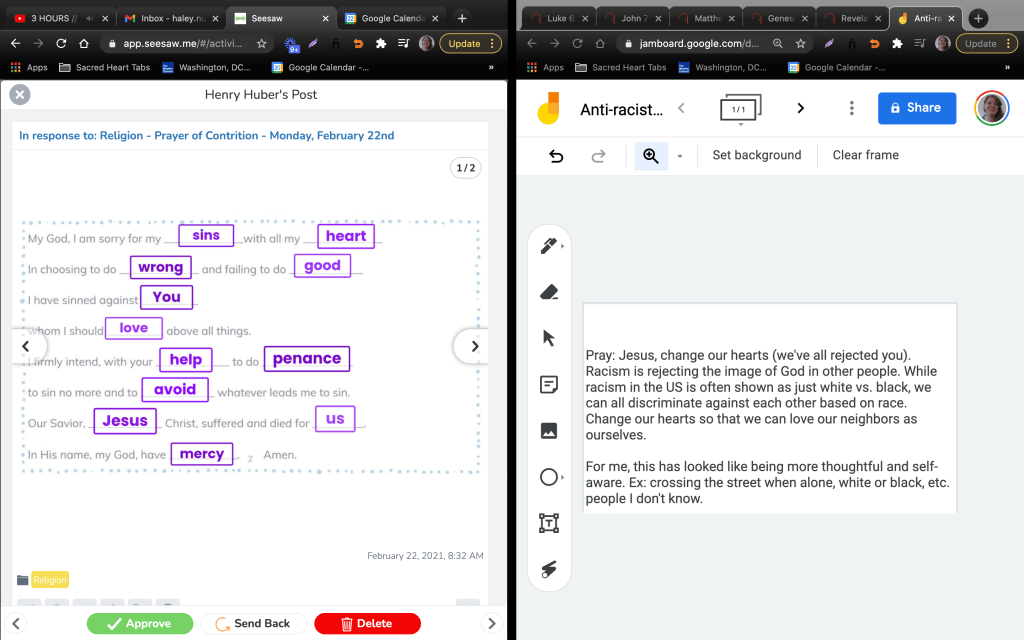
As I led students’ into controversial conversations about civil disobedience, praying for enemies, and racism as a heart issue that bewitches our educational, healthcare, and governmental systems, I have needed to reflect on these themes for my own sake. After a calendar year full of protests, from the murder of George Floyd to the Capitol insurrection, with a bevvy of accusations, protest strategies, and gratingly insincere public apologies, I’ve needed to condense my own understanding of the ways Christians are called to political disagreement.

In reflecting somberly on Dr. Martin Luther King’s rebuke of the White Moderate, I’ve begun to wonder where the line is between respecting authorities and endorsing corruption (Letters from a Birmingham Jail).

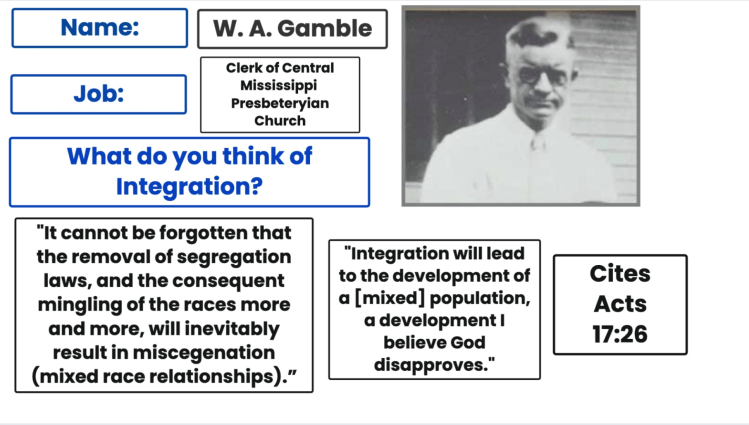
For many of the controversial issues of our day, Christians (like all people) need to have rock solid discernment to know which arguments have appearance of good, but are ultimately evil. While we as adults will encounter many opinions that are obviously wrong (such as this segregationist statement based on the fear of racial mixing), other ideas require greater insight.
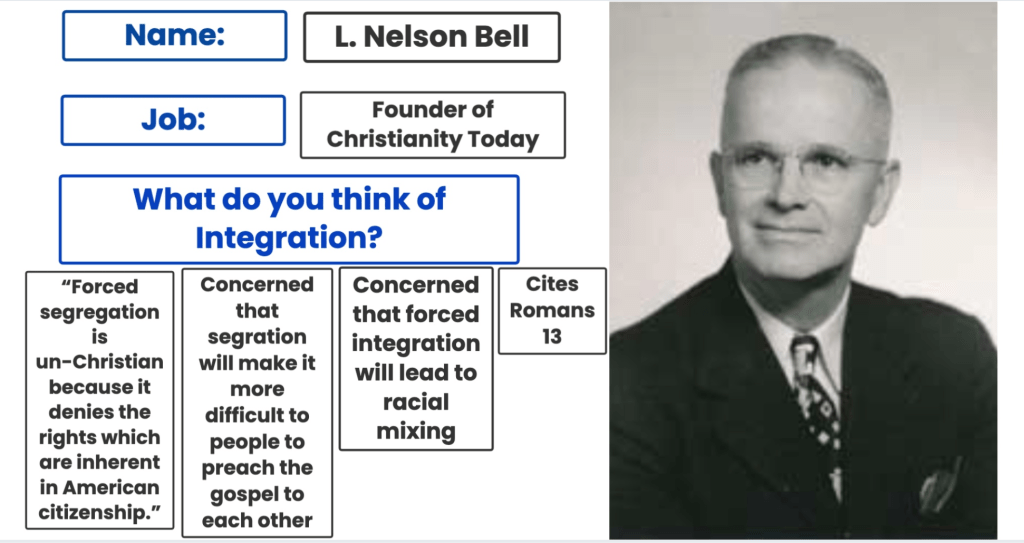
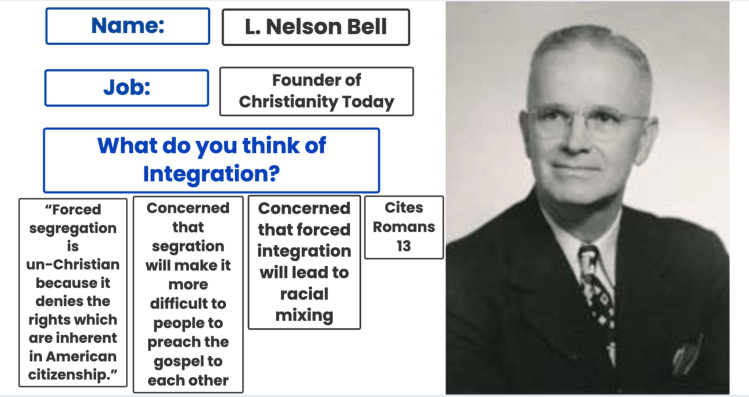
Take, for example, this argument in support of segregation by L. Nelson Bell, the founder of Christianity Today. Bell was a well-spoken, respectable, but tireless segregationist. While Bell admired that integration would remove barriers preventing the preaching of the gospel, he managed to reject Civil Disobedience of any kind.
Dr. King sharply rebuked Bell’s ideological equals, saying that “the Negro’s great stumbling block in his stride toward freedom is not the White Citizen’s Counciler or the Ku Klux Klanner, but the white moderate, who is more devoted to “order” than to justice; who prefers a negative peace which is the absence of tension to a positive peace which is the presence of justice; who constantly says, “I agree with you in the goal you seek, but cannot agree with you in your methods of direction action“; who paternalistically believes that he can set the timetable for another man’s freedom; who lives by a mythical concept of time and who constantly advises the Negro to wait for a more “convenient season.”” King’s rebuke reminds me of the findings of several anthropologists who have studied the ways that well-intentioned (?) people can use Civility as a catch-all means to dismiss the ideas of minority groups and maintain the status quo. King’s Civility depends on non-violence, and the Holy Spirit role in convicting individuals of their wrong-doing. When individuals see others treat them with respect when they least deserve it, their hearts may be softened (if they allow it). This is ultimately what Jesus meant by “turn the other cheek.” By turning the other cheek, you provide the means to increase individuals’ conviction.
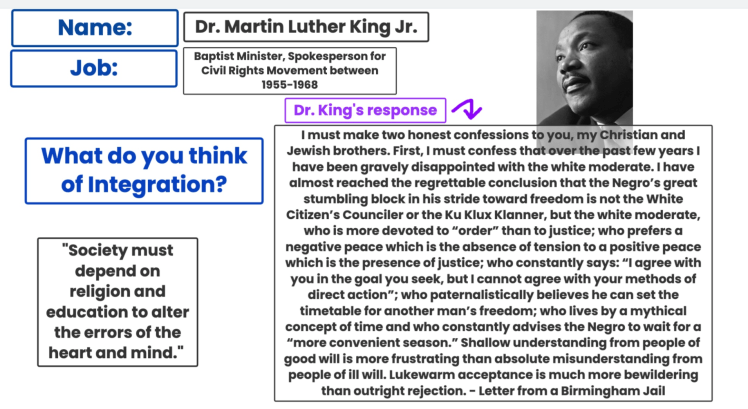
For King’s White Moderate, peaceful direct action tactics like boycotts, strikes, sit ins, picketing, blockades, or freedom rides would be unacceptable. To King’s White Moderate, Civil Disobedience strategies are always wrong, never mind that each of these strategies (or similar forms of public demonstration such as marches, speeches, and protests) were intentionally designed to be non-violent. Dr. Kings’ commitment to non-violence was incredibly resolute. As a Christian leader, King developed Six Principles of Nonviolence:

01


Nonviolence is a way of life for courageous people.

It is active nonviolent
resistance to evil.

02


Nonviolence seeks to win friendship and understanding

The end result of
nonviolence is redemption and reconciliation.

03


Nonviolence seeks to defeat injustice, not people.

Nonviolence recognizes
that evildoers are also victims.

04


Nonviolence holds that suffering can educate and transform.

Nonviolence
willingly accepts the consequences to its acts.

05


Nonviolence chooses love instead of hate.

Nonviolence resists violence to
the spirit as well as the body. Nonviolence love is active, not passive. Nonviolence love
does not sink to the level of the hater. Love restores community and resists injustice.
Nonviolence recognizes the fact that all life is interrelated.

06


Nonviolence believes that the universe is on the side of justice.

The nonviolent resister has deep faith that justice will eventually win.

With a healthy respect for the work of Dr. King, I have chosen to summarize my own set of principles, for my personal and instructional use, and to the benefit of whoever may be interested. I have specifically reflected on what I know to be true of scripture, and to highlight an intentionally Christian Approach to Civil Disobedience, Political Disagreement, and Communication in general. My goal is not to increase lawlessness, but to provide a resource for Christians to use to practice discernment. I have chosen to write this list in plain language, both because my audience is ultimately children, and because simplified language is important for adults, regardless of their cognitive ability. Especially on such a tender topic, I worry that too many fancy words will get us lost in the weeds, making unnecessary enemies of one another.

Let’s begin.

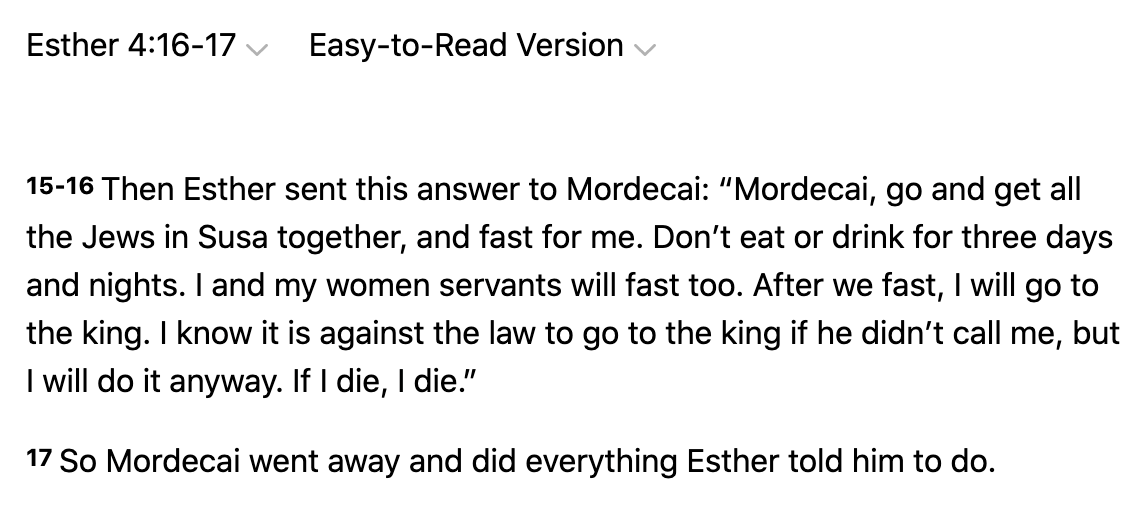
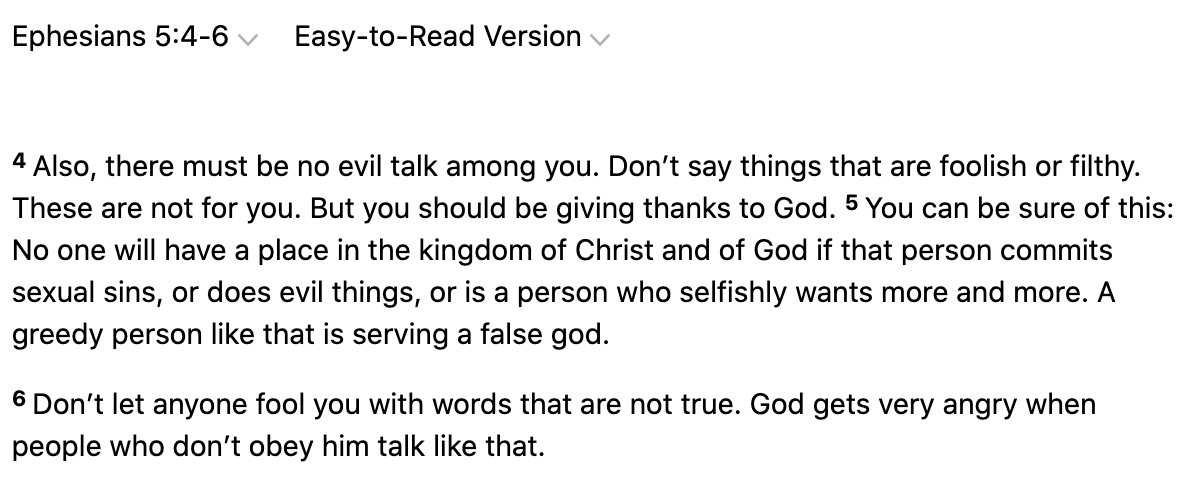
*Note: In this post, I will mostly reference the bible in the “Easy to Read Version” translation because my audience is ultimately children. These verses are available in many other translations.

Basic Discipleship

Before addressing diplomacy or political engagement, there are some very basic truths that all Christians should internalize.

1. Your faith should change the way you speak.
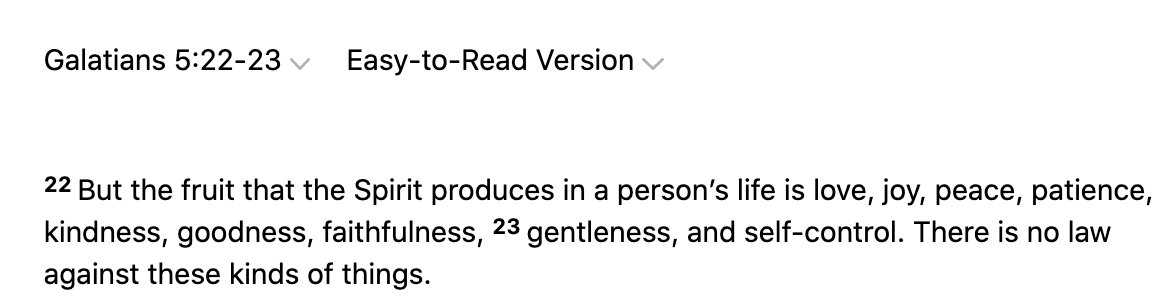
2. Discernment requires that individuals pray and think carefully to understand others’ intentions. People’s intentions can be opposite or the same as God’s.
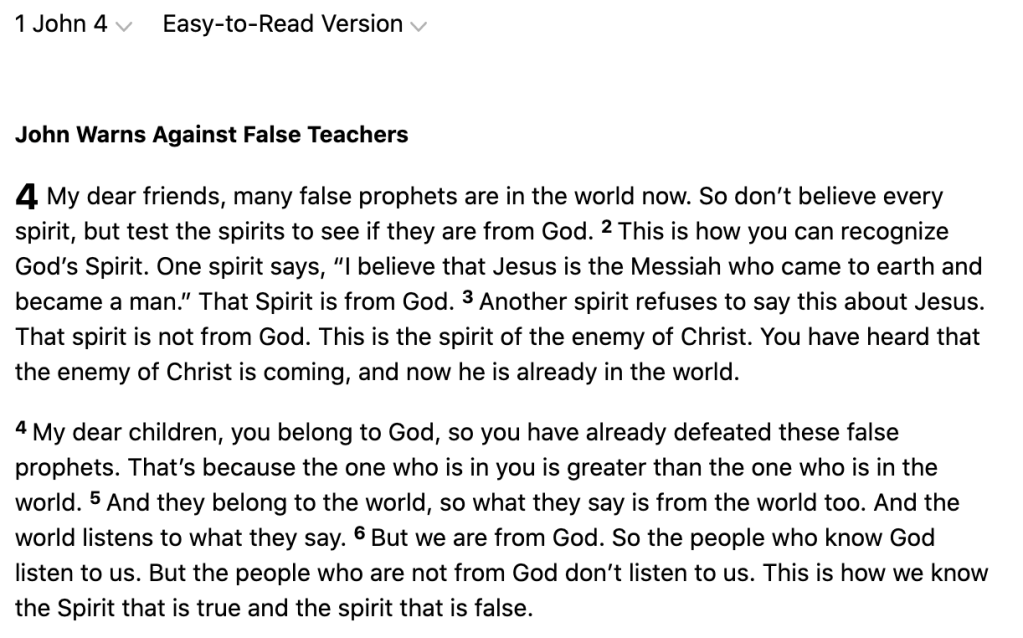
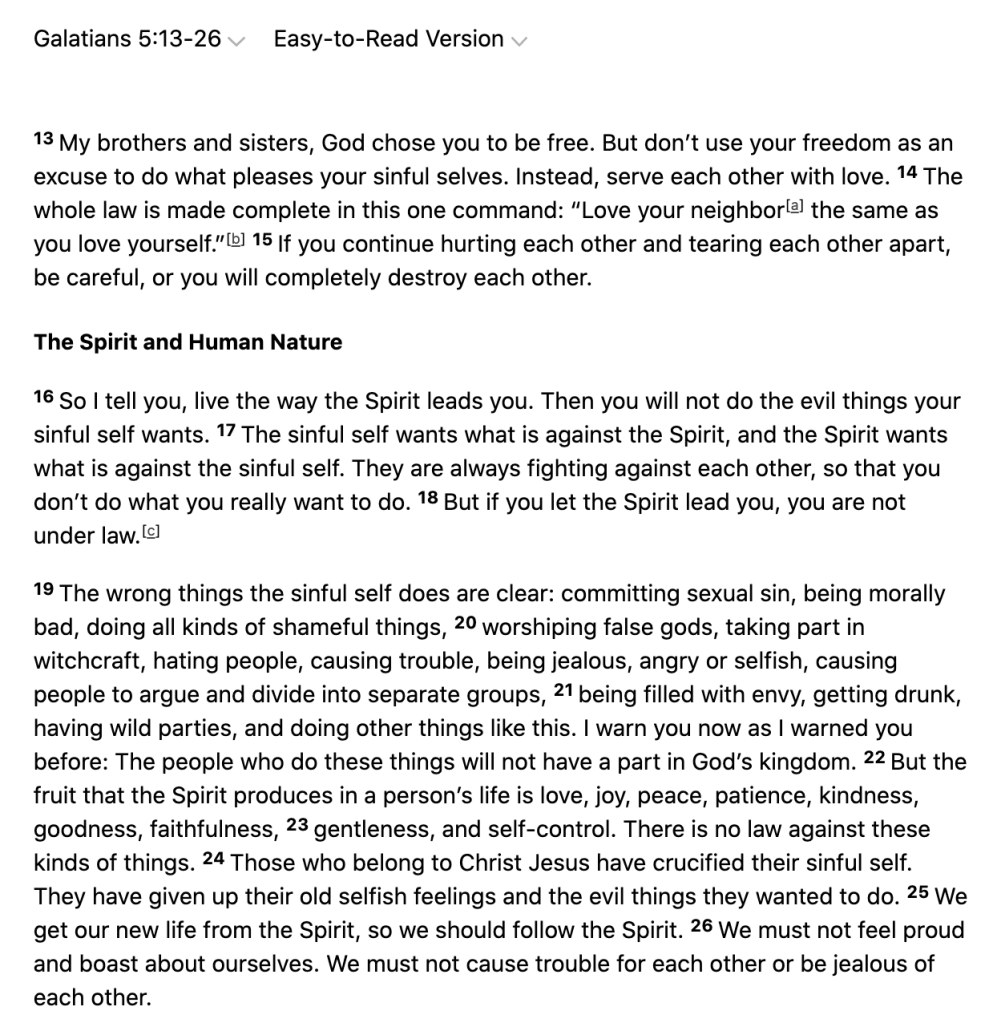
3. Since people speak and act from what is in their hearts, bad communication and/or actions are ultimately a heart issue.
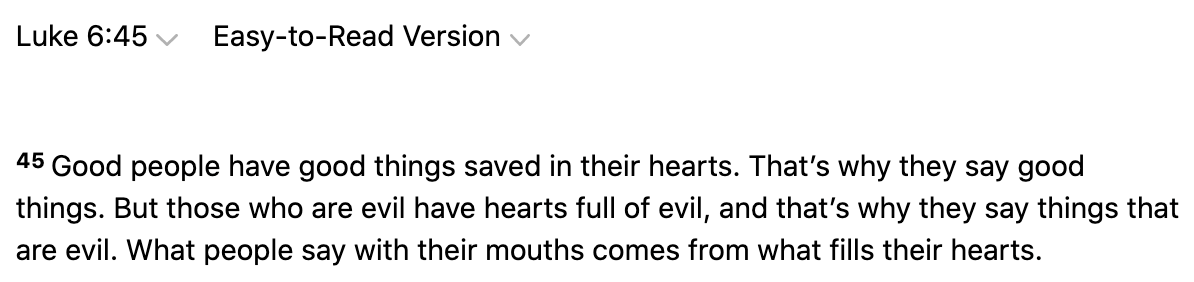
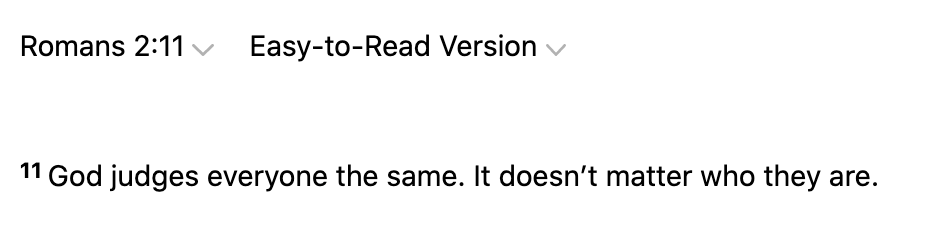
4. God hates partiality.
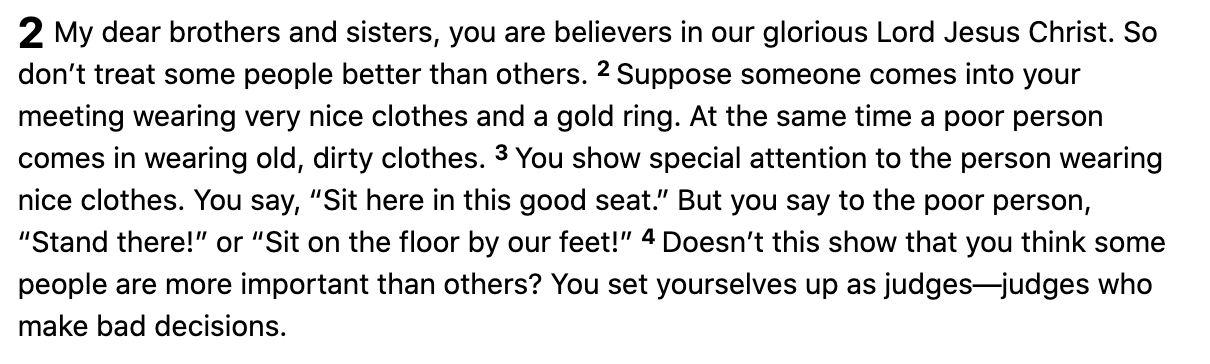
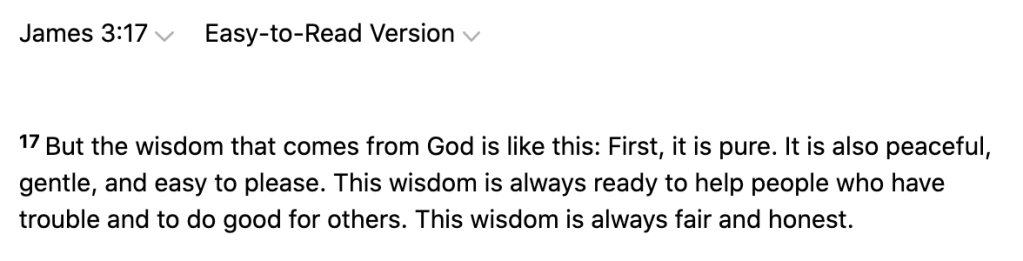
5. Good judgement (discernment) is impartial and sincere.
10 Principles on Civil Disobedience, Political Disagreement, and Communication

Now to meatier matters.

1. Before you speak or act in conflict or in politics, seek God.
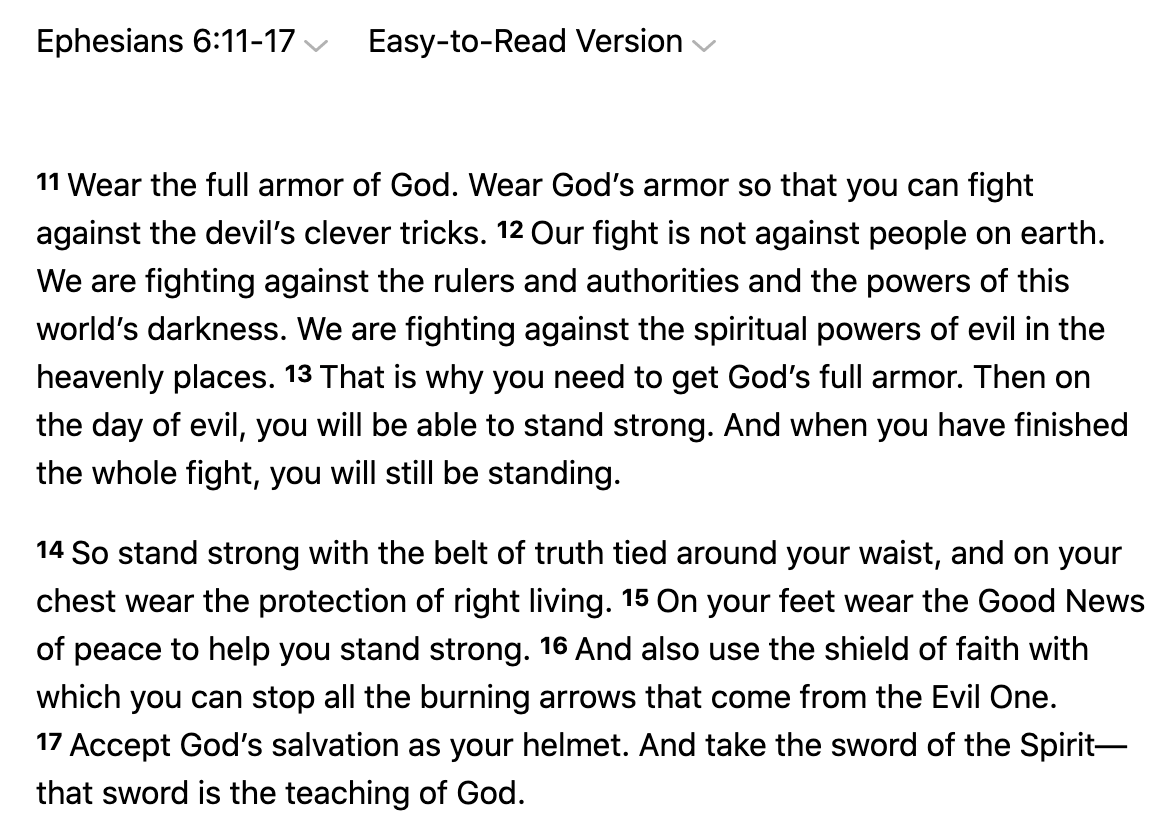
2. Use no violence.
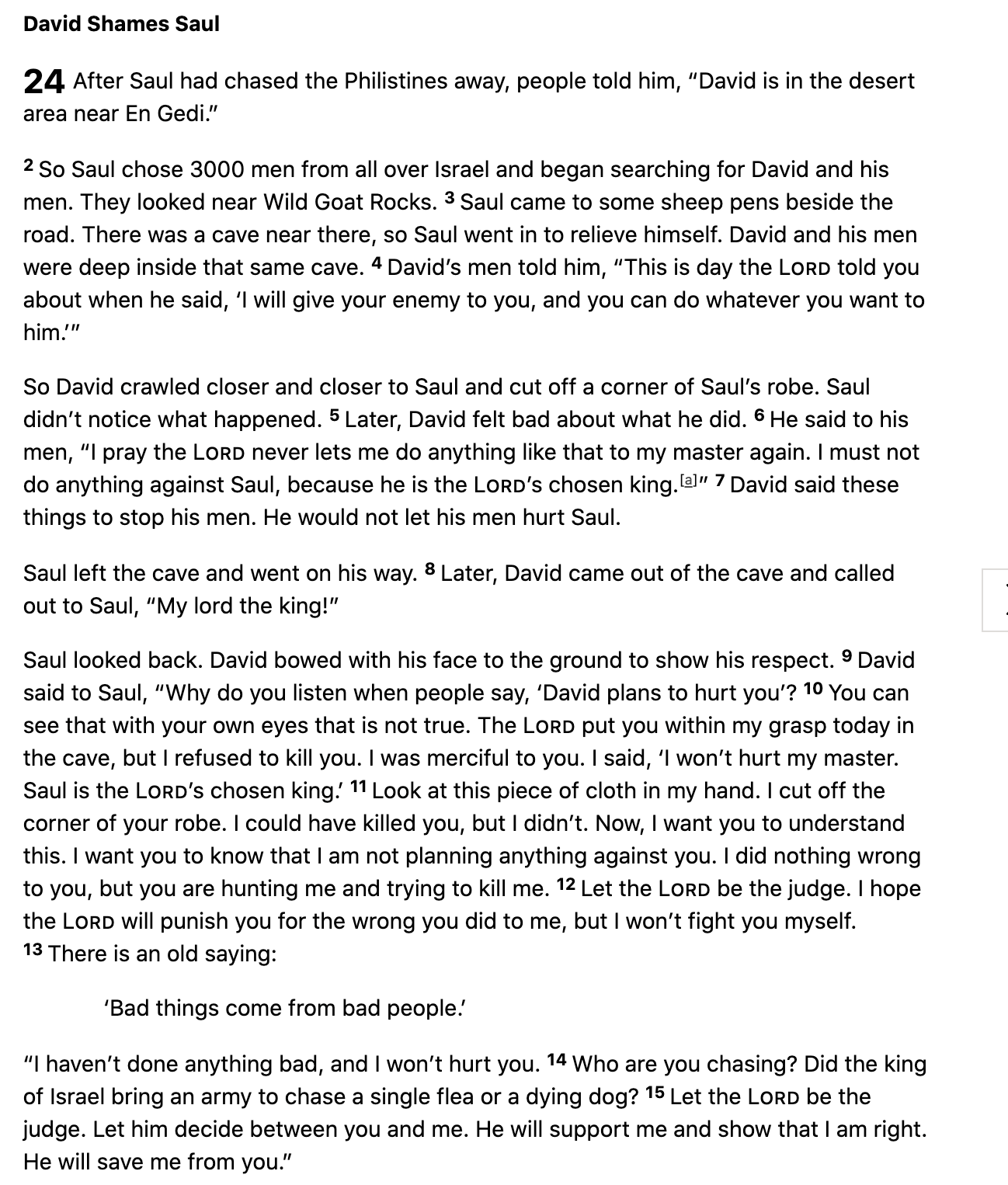
3. Speak transparently.
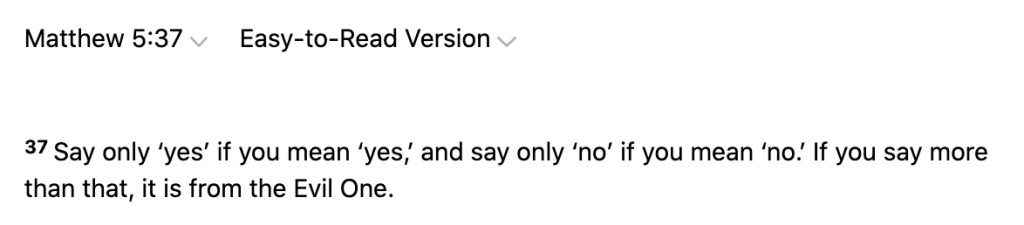
Plain language for the win! The purpose of speaking transparently is to guard against rashness or manipulation. We should not try to influence others through deception (Satan deceives, but God invites).

4. Use no mockery, no insults, and no evil tactics.

5. Don’t twist, exaggerate, or change the truth (lie).
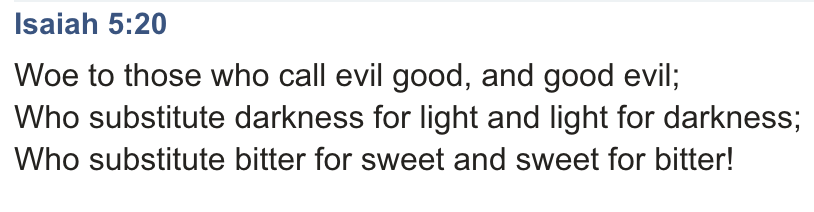
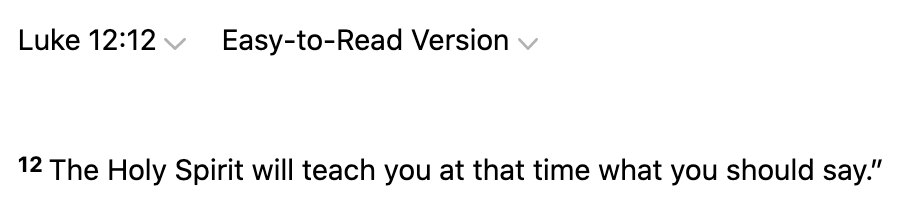
6. Listen to God to know how to speak wisely.
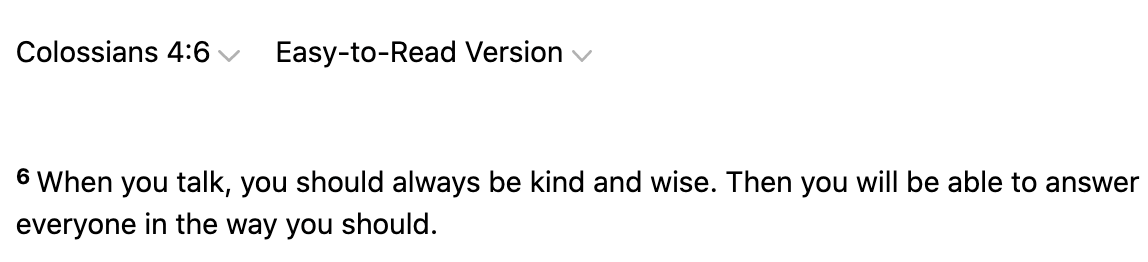
7. Whenever possible, use gentleness.
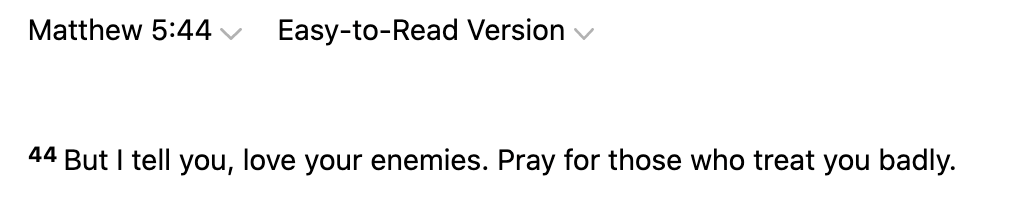
8. Fight the practice of evil, but don’t dehumanize others. Instead, pray for them!

9. Fierce language is for only special occasions when God has made it abundantly clear that nothing else will work.
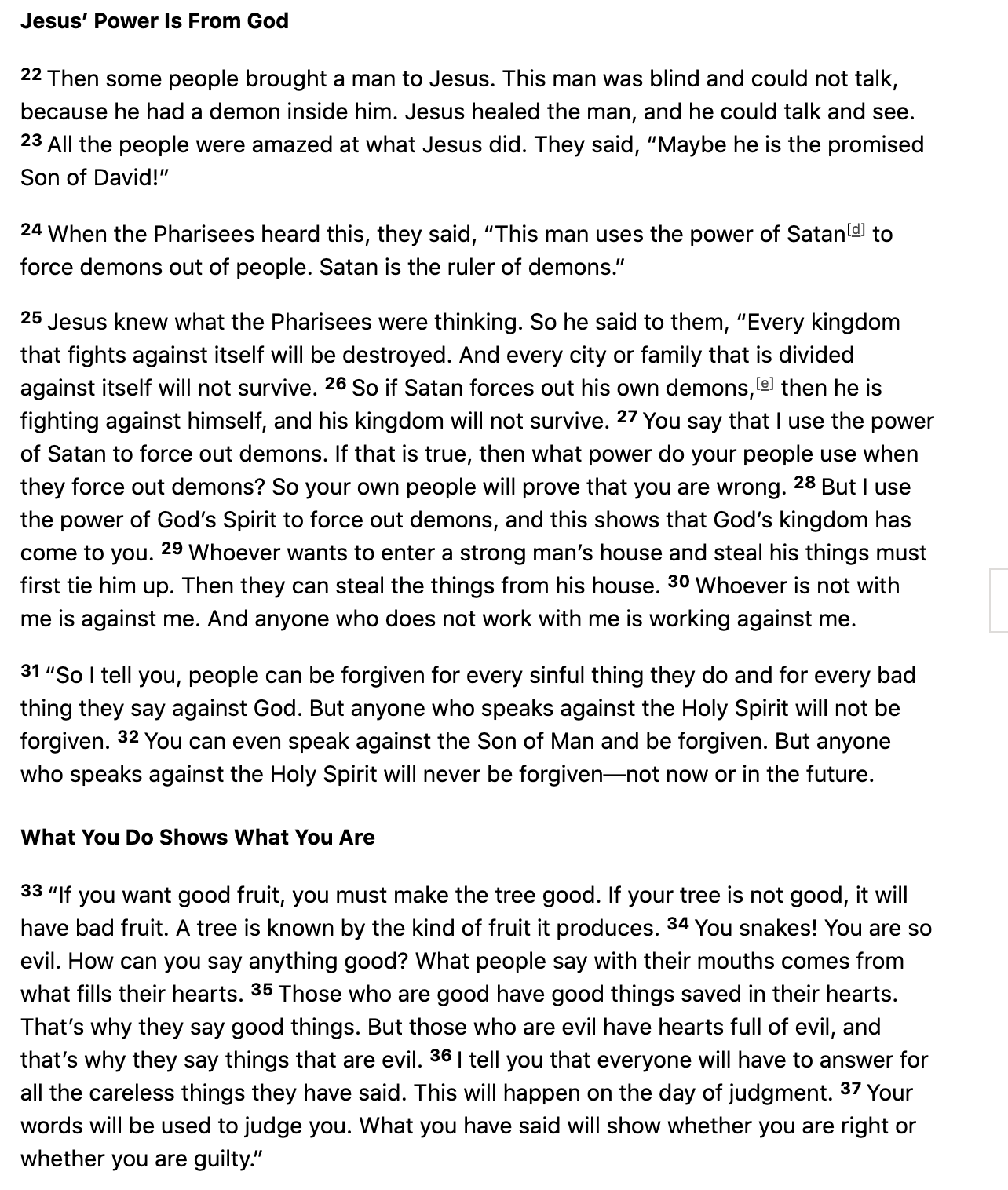
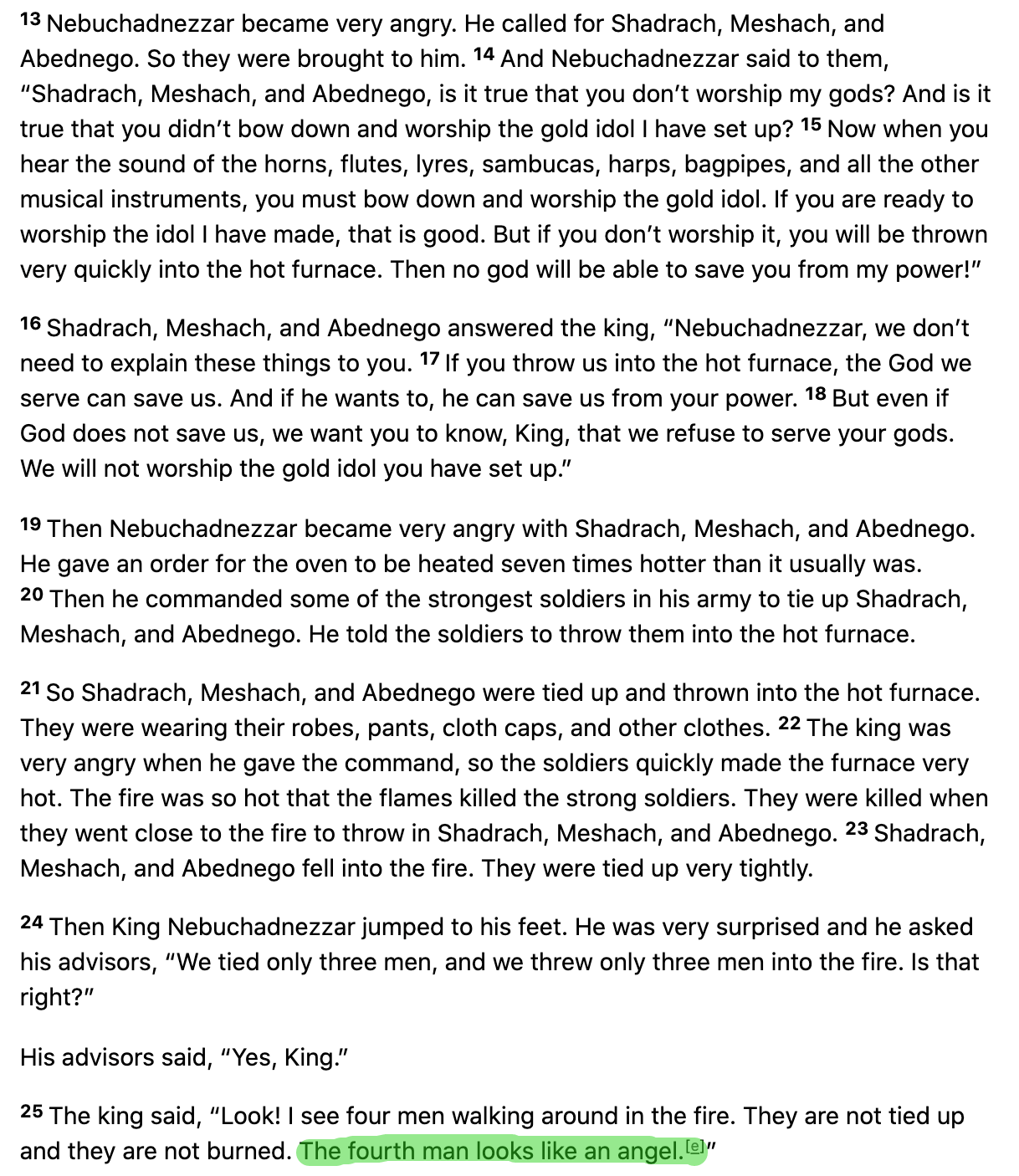
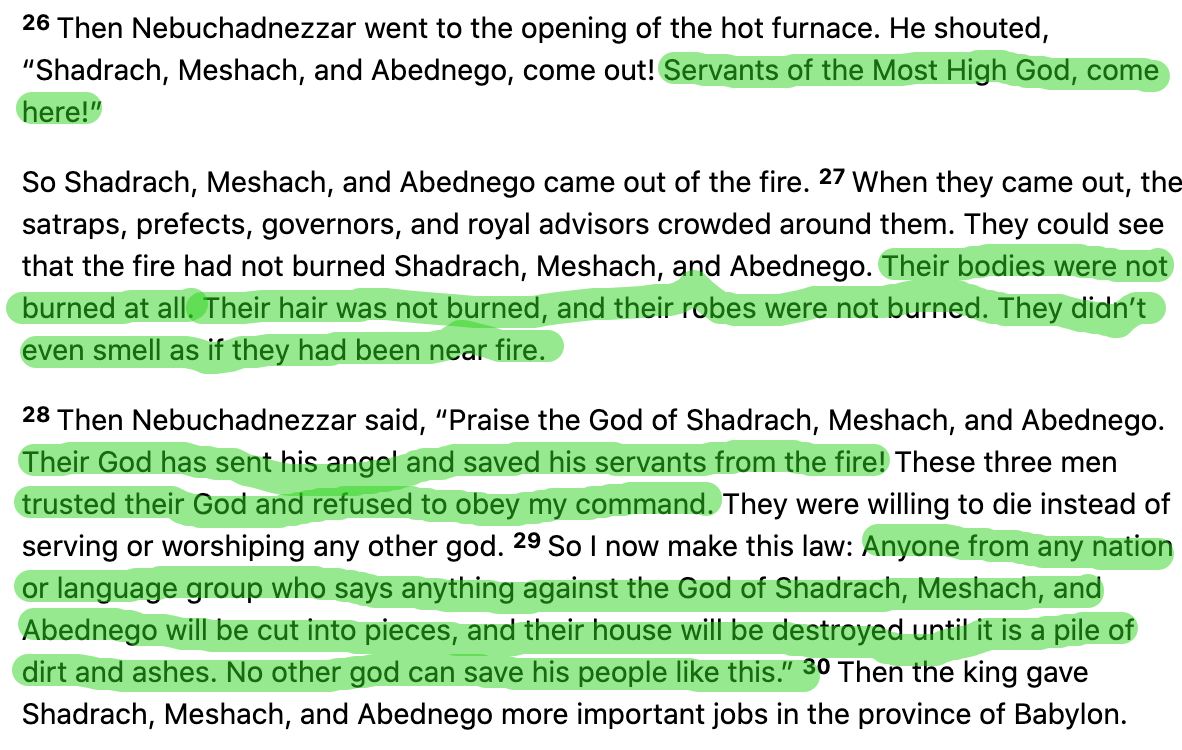
10. Civil Disobedience is for only special occasions when God has made it abundantly clear that nothing else will work.
Reflection

In putting these verses in context, I was able to put words on what has felt so problematic in recent months, in discussions about when, how, and why to protest. Regardless of individual politics, Christians must internalize verses like these to know how to obey God in the public sphere and respond to evil without dehumanizing other people.

February 2021 Monthly Summary

Let me share a visual summary of where God took me in February! Some things are new, some things are old, many things are fabulous.

The Kids are Alright ( and Some of My Favorite Projects this Month)

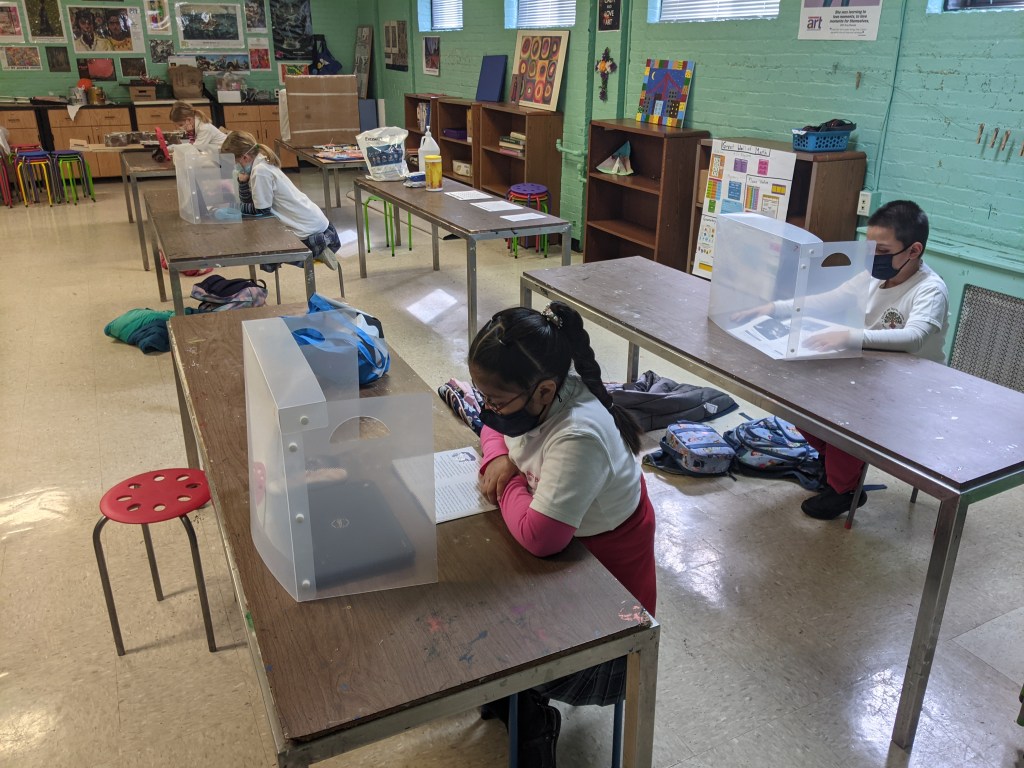
Since we’ve gotten back into the classroom this month, things are continuing to get better and better! I have been very high on life and the Holy Spirit lately when it comes to work, and seem to be debating, studying, and teaching in my dreams. Here is a highlight of the many things we’ve done since returning to the classroom! Not even a burst radiator and a change of classroom could slow us down.

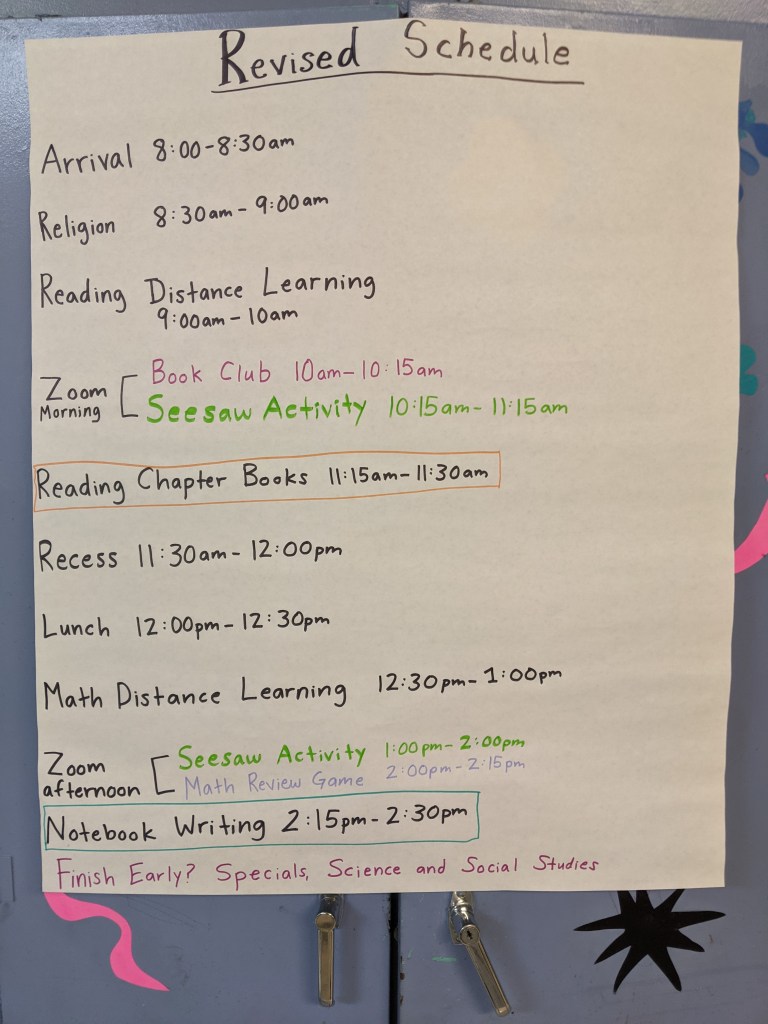
  • Although I wasn’t originally excited about this, we’ve changed our daily schedule for in-person students to add 15 minutes to our morning and afternoon Zoom calls. This has allowed us to re-start book clubs (more about that at the end of this post), and get more whole-class math review through 99Math.
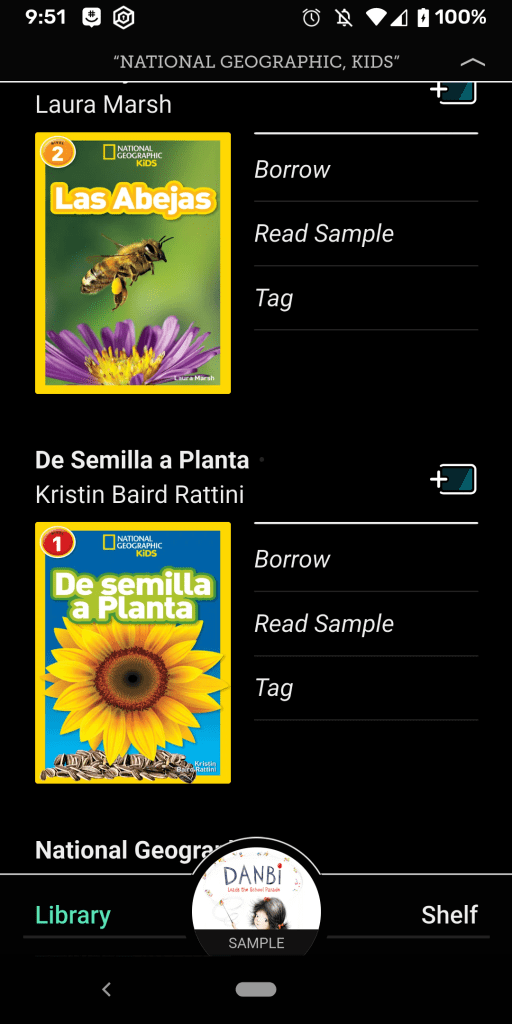
  • I’ve helped most of my students connect to the Libby app, where they can use their library card numbers to read many free e-books from the DC library (including many high interest series and graphic novels)
  • In processing this change, I was able to use the ideas of colleagues to create a morning chapter book reading and afternoon writing practice block. My students are enjoying the break from screens and seem relieved to have a challenge. I see how industrious they’ve been lately and I get the sense they have craved that sense of agency and purpose.
This is what school should be.
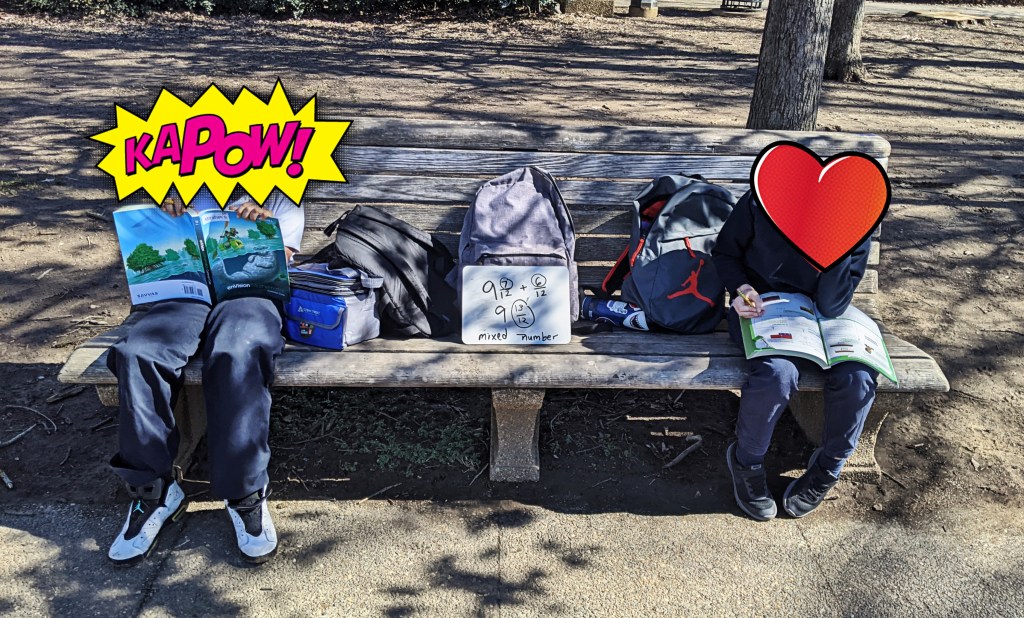
  • Several students and I got to learn about mixed number fractions in the park last week in the 70 degree weather! I taught with whiteboards and dry erase markers, they brought their math books, my principal and school community afforded us plenty of liberty to get outside, and many strangers’ dogs listened eagerly.
I blurred this picture intentionally.
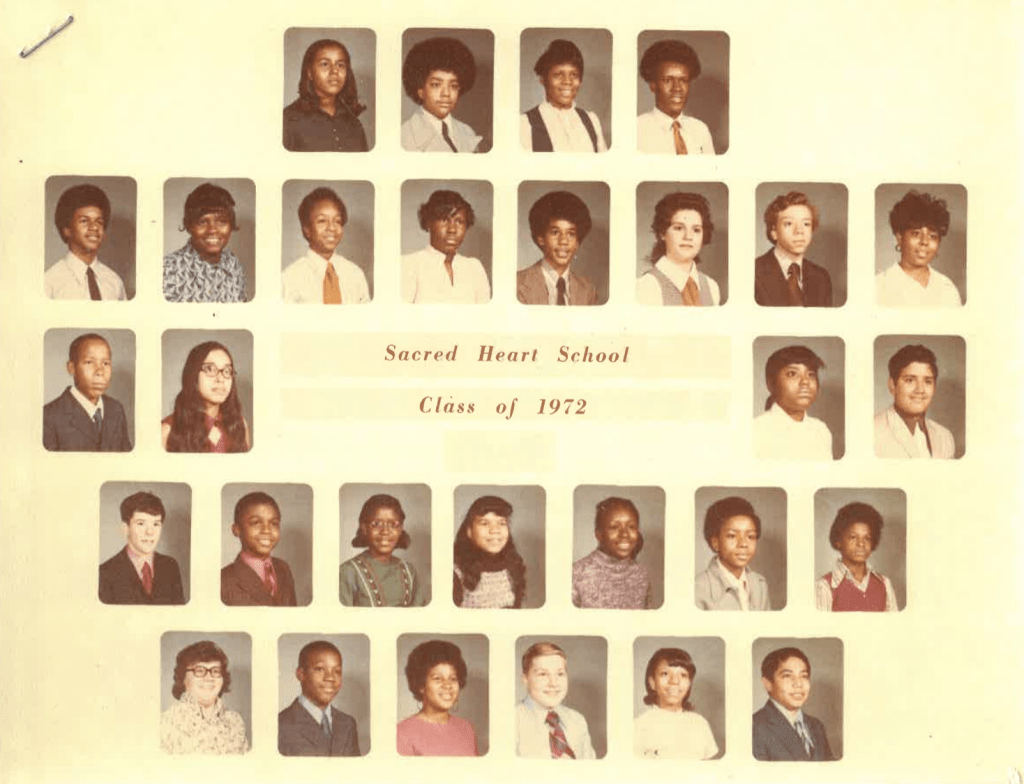
  • As students studied the Civil Rights movement through the lens of Biblical anti-racism this month, I have been planning a virtual field trip next week for them with a school alumni member who was one of our school’s first African American students after desegregation. They will examine school photos I’ve compiled, describe how the school has changed, reflect on the ways our school as changed, and dreams we have for it’s future. I’m excited to share parts of this timeline I created with them with them (from my research)!
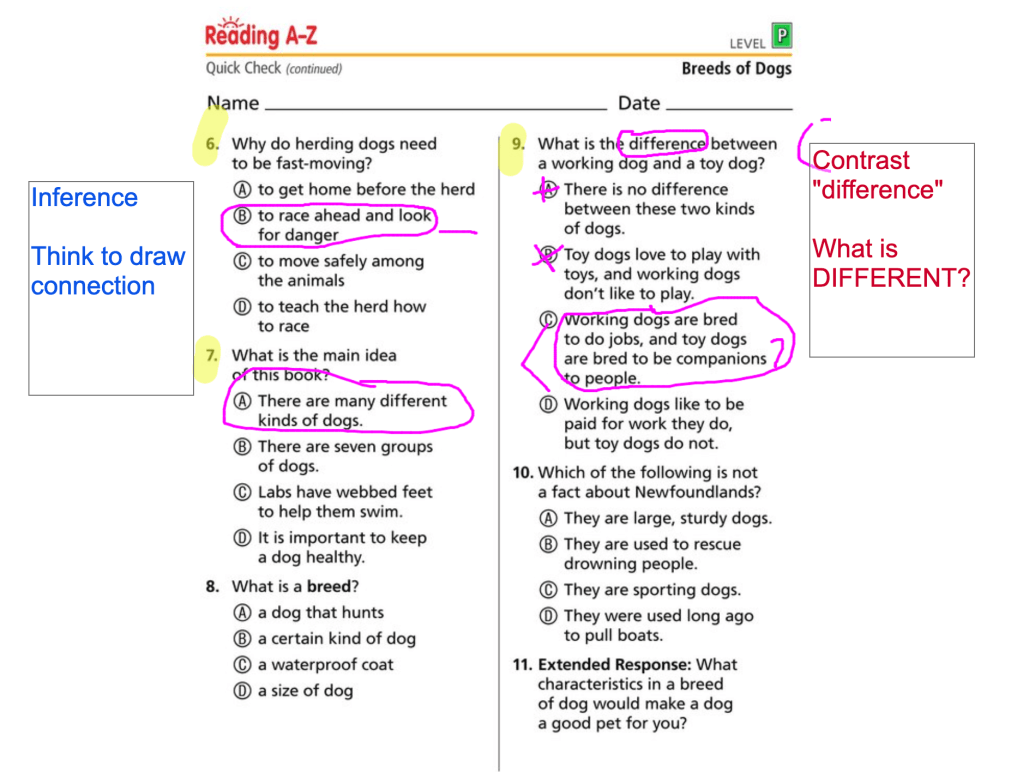
  • Both my tutoring group (3 neighborhood second graders) AND my 3rd graders have been excited to do Close Reading with books about Dog Breeds and The History of House Cats.
  • I figured out how to MacGyver a broken face mask!
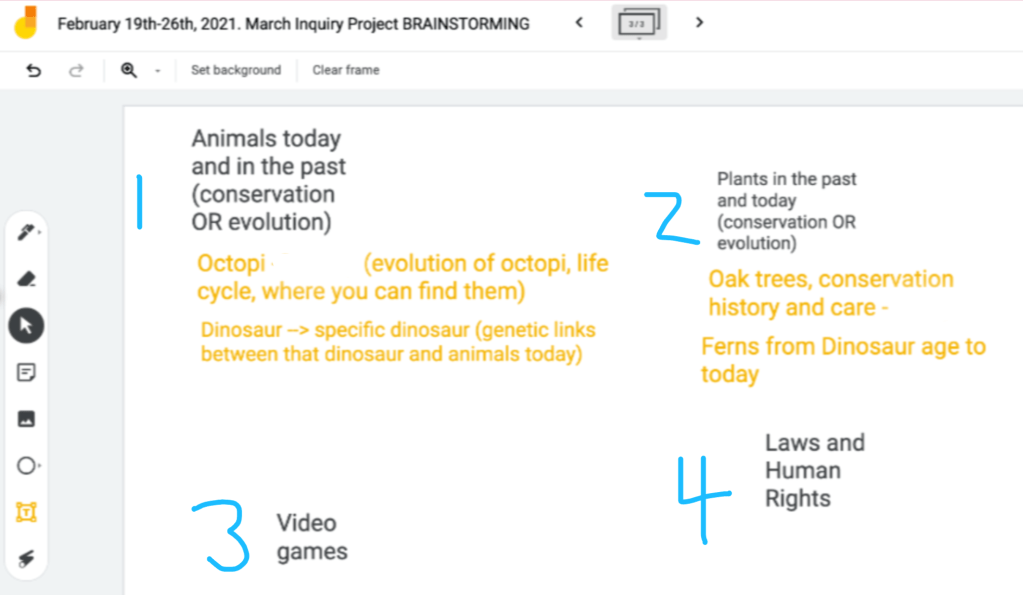
  • 13 of my Fourth graders are doing Inquiry Projects this month related to 4 themes they’ve chosen. A solid amount of my group are going to be challenged to relate their faith to different video games. They’re off to a great start, and I’m very curious to see how it will turn out!
  • Last week, my Fourth graders each wrote their own prayer for a country in Central Asia, the Middle East, or North Africa and the African Islands! We will finish our Praying for the Nations project this month by individually composing prayers this Friday for East Africa, South Asia, Gaza, Chiapas, and more! I can’t wait to write about how it has turned out.
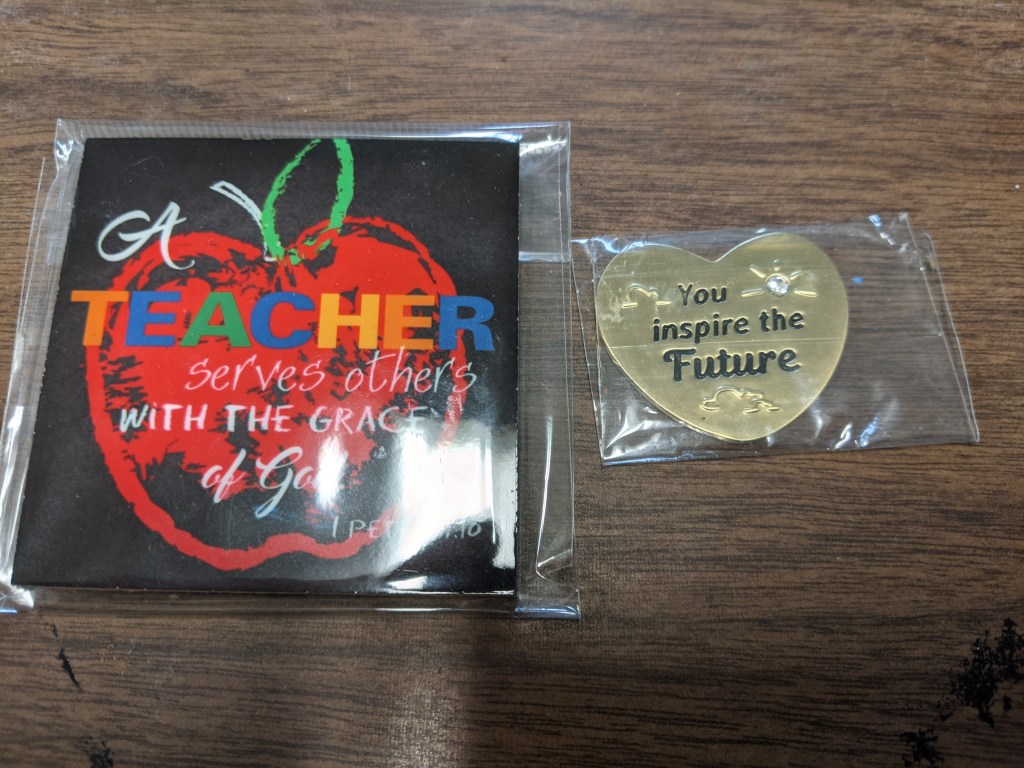
Gifts from a student this month 🙂

Simple Pleasures

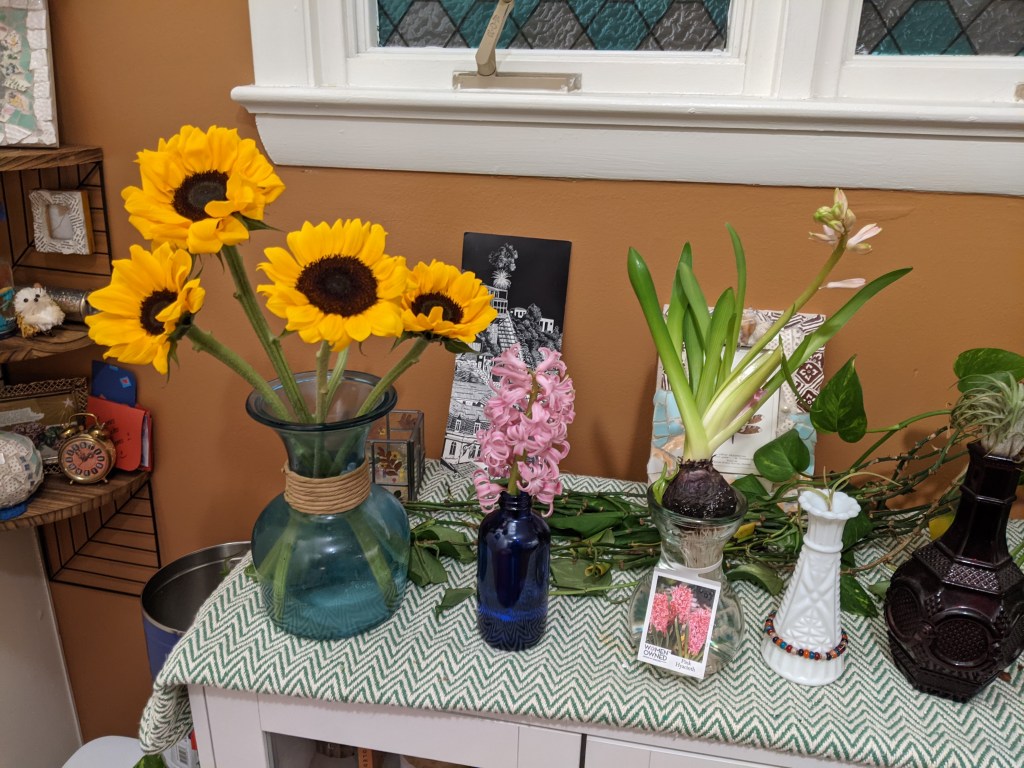
  • This month, I’ve savored the scent of hyacinth and celebrated the beauty of living creatures with students. We are very excited to see the return of hyacinths, daffodils, lilacs, tulips, grape hyacinth, and all of wonderful spring flowers some day soon.
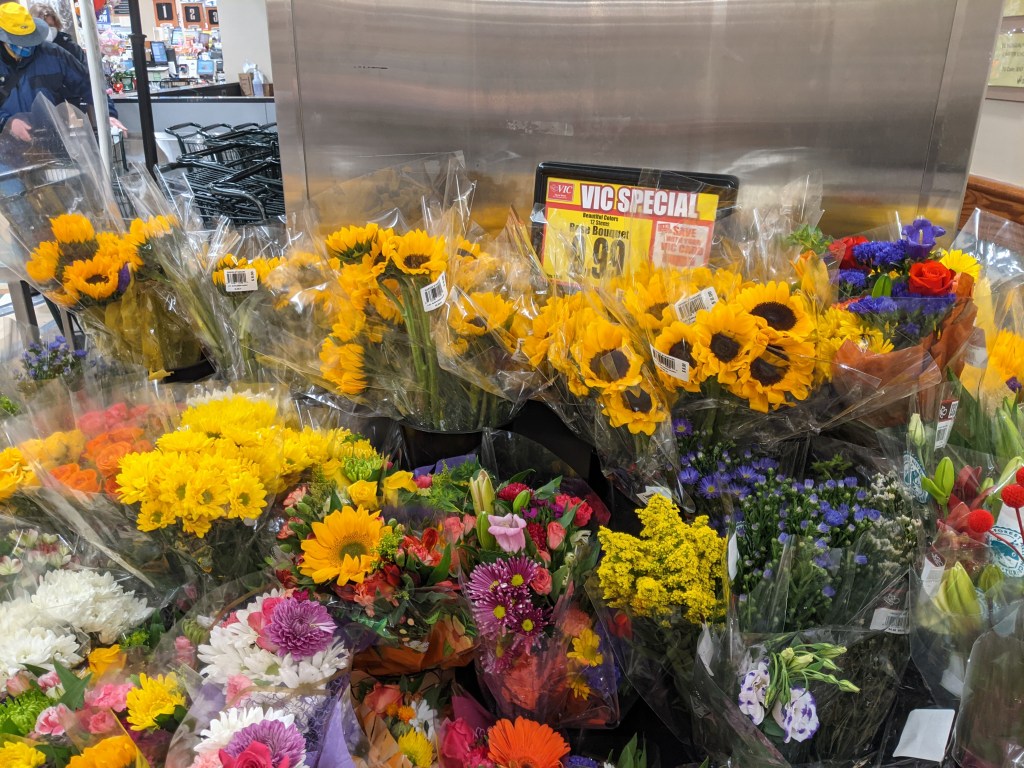
  • After starting the live Zoom trainings for the Glasgow Prophetic Centre’s Emerging Prophet’s Program, a conversation I had led me to snag these beautiful sunflowers as a reminder of God’s grace and the new things he is doing in the Earth
  • With no side effects, I am now fully vaccinated against COVID-19! It’s a little mind-blowing that the same day I will receive full immunity (2 weeks after my appointment) will be March 13th, a full one year after to the day after D.C.P.S. (District of Columbia Public Schools) shut down last Spring. While the outstanding ways the Archdiocese of Washington Catholic Schools have coped with the pandemic has allowed me to be in the classroom live teaching at various points this year, it’s very strange to come back upon the one year mark. I have decided to resist self-pity or fear of the unknown and declare that March 13th will be an invisible line in the sand, to crossover into whatever new and better things are coming.
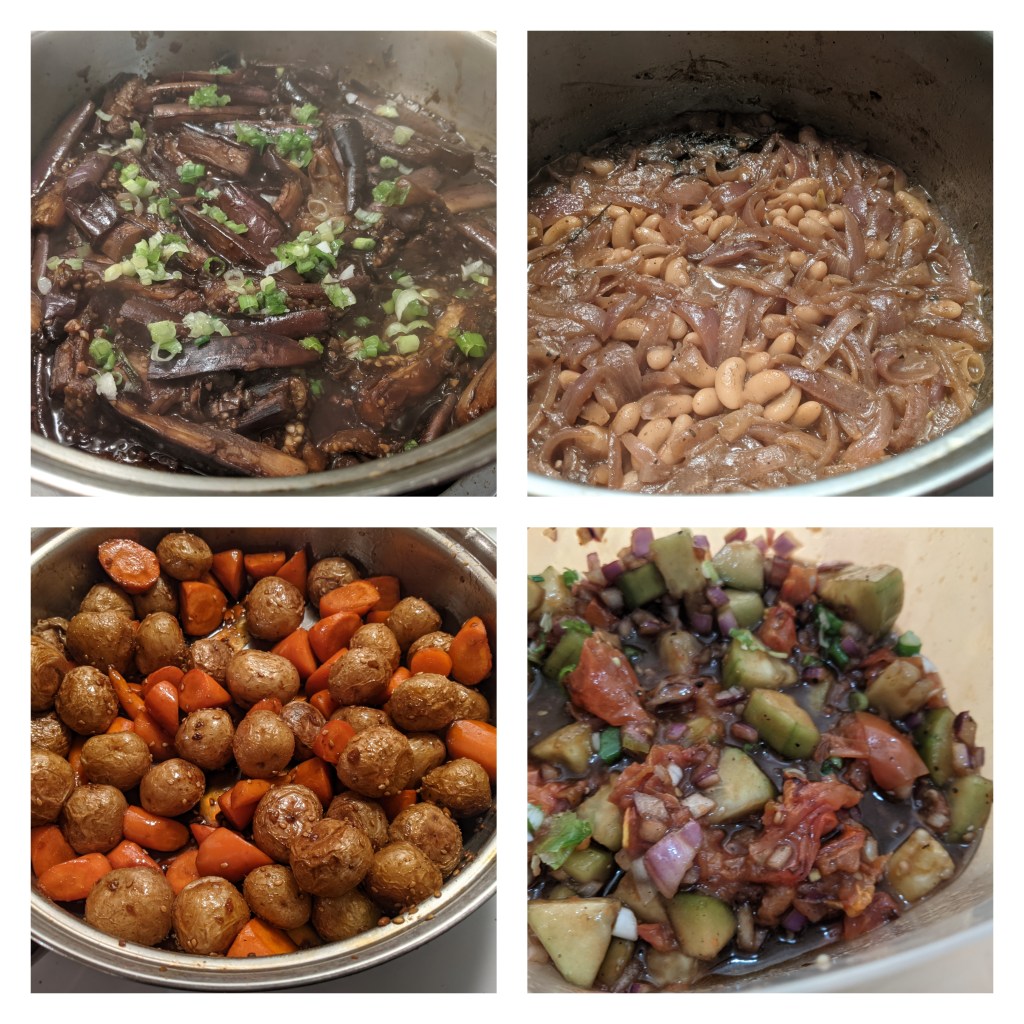
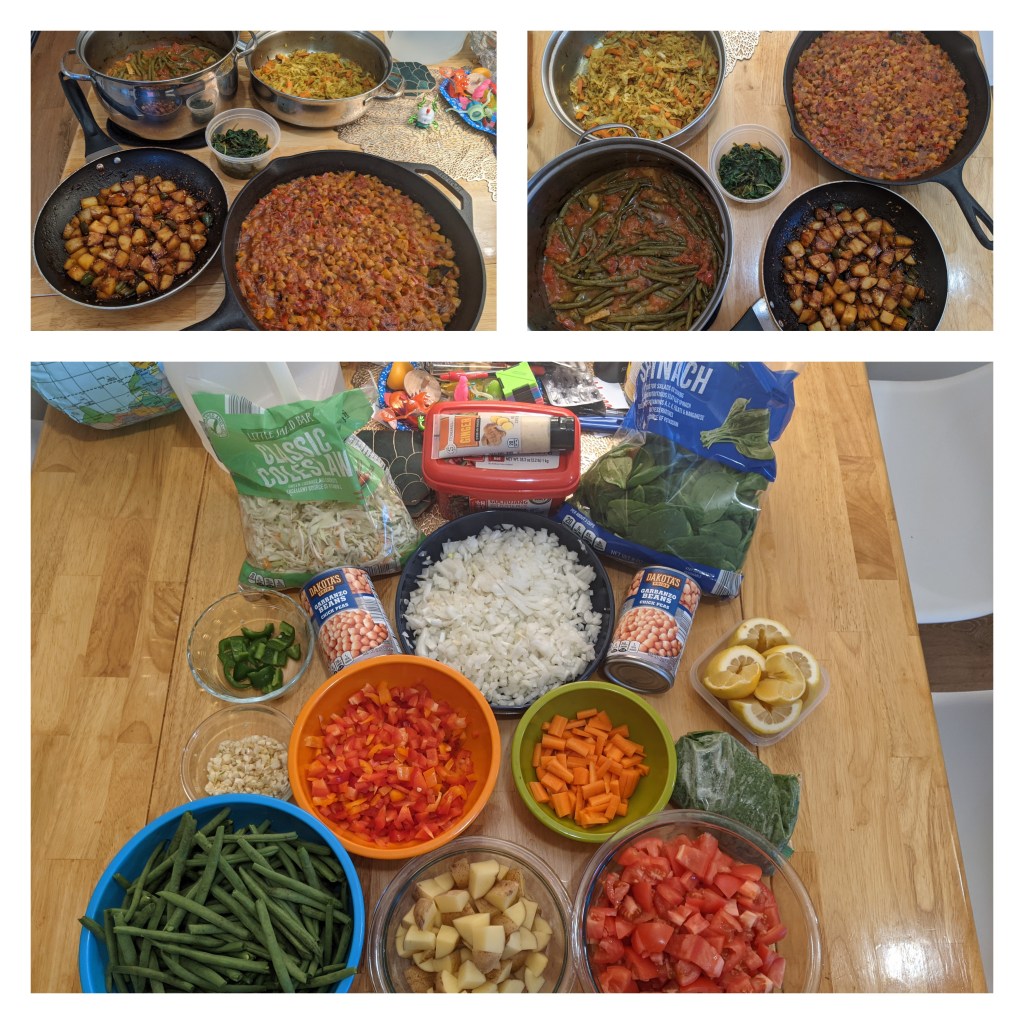
  • With extra free time that resulted from greater peace with God, I cooked a ridiculous amount of food this month! Check out some of my dishes below.

Themes

This month has been one of:

  • Growing in intimacy with Jesus
  • Rest instead of dryness
  • Increased freedom as I ignore distractions and burdens that aren’t mine to carry
  • Overcoming boredom or irritation to remain focused on God
  • Greater awareness of what God is doing around me, increasing skill
  • Times where it suddenly occurred to me to talk to God about thoughts or emotions that I had yet to name before
  • High energy and expectation
This is a doodle of me wondering what the Holy Spirit is doing. “Hmm…” I downloaded the Picasso app to keep my fingers busy when I’m in Zoom calls and my mind needs another outlet. It’s been fun!

Can’t Stop, Won’t Stop

  • With just 2 weeks until the rough draft of my Contextual Study is due, I am just under halfway done writing my paper! This research process has lasted since July and I am very excited and confident about it coming to a close.

In this project, I’ve learned so many skills about giving and summarizing interviews, creating pivot tables to analyze data, archival scanning school photos, and creating organizational timelines. I am hoping to use all of this data to help my school fundraise next year, and celebrate the strengths of our community!

What I’m Praying For

This month, God has been encouraging me to pray for the educational systems in different countries.

How you can Pray for Me

  • That I would see long-awaited answers to prayer (in all subjects)
  • Increasing favor
  • Open doors for ministry, travel, and next steps
  • That I would imagine and dream bigger and bigger dreams

In Christ,

Haley

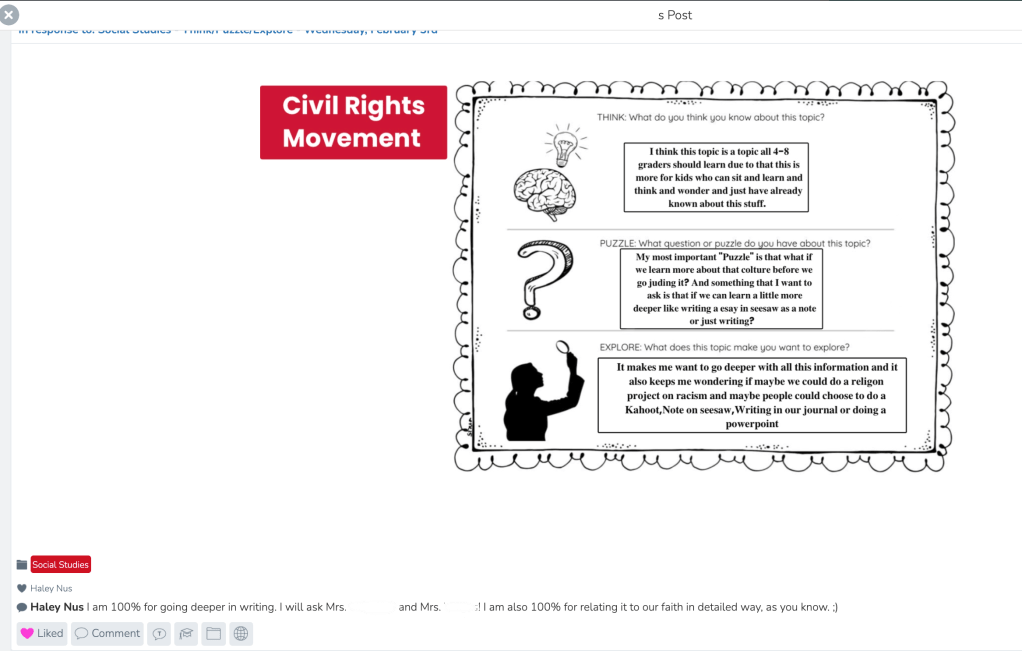
Using Biblical Anti-racism to teach Civil Rights

Over the past several weeks, my 3rd and 4th grade students have embarked on a study of the U.S. Civil Rights movement, largely guided by student interests. In this unit, students have examined racism as a heart issue that has the power to affect systems. In discussions, I have explicitly framed racism as a sin issue and a threat to the public welfare. Ultimately, my goal is that students will understand that as Christians and/or Catholics, we cannot be neutral to racism. While some individuals may argue that neutrality to racism is a thing of the past, current events in the United States say otherwise.

Biblically Anti-racist

We a 3rd and 4th grade class have focused on the following sequence of ideas from the Bible. I have intentionally phrased these ideas in accessible language.

All people have the same worth, since they are created in the image of God.

Heaven and the Body of Christ are multi-ethnic, multi-cultural, multi-lingual, and thus, multiracial.

God judges us not by our appearances, but by what is in our hearts.

Humans actions and words reflect the state of their hearts.

To love God fully, you must love others.

The way we treat others reflects the love or lack of love we have for Christ.

Therefore, racism is ultimately a sin against God.

Discrimination and sin are not just a Caucasian versus African American issue. Speaking from personal experience, I have seen discrimination between Asians and Latinos, Latinos and Asians, Asians and African Americans, African Americans and Latinos, African Americans and Asians, etc. This does not include the discrimination that happens between nations. In general, all have sinned and fallen short of glory of God.

Through Jesus, we can be cleansed of all sin (including racism), and restored to right relationship with one another.

Through the Holy Spirit, Jesus cleans our hearts from any sin (including racism).

The Holy Spirit (and the finished work of Jesus) has the power to change us, BUT we have to allow our hearts to be changed.

When Jesus returns for his Bride, those who love him will be completely made new from any sin we haven’t been able to overcome.

NEVERTHELESS, like Jesus, we should still surrender our entire lives to God to be transformed, regardless of the cost.

The love we have for others shouldn’t be hidden. Our words and actions should match, and be as transparent as possible so others can understand.

Prayer Points

As we’ve reflected on these themes, we have prayed:

  • For God to cleans our own hearts from any sin or hidden racism still there
  • For the Holy Spirit to change our hearts so that we would be equipped to change the world around us
  • For God to cleanse places of wounding and brokenness in people’s hearts so that we United States citizens would be less racist
  • Solemnly asking God for forgiveness for times we’ve excluded others, and acknowledging how hurtful it is when we have been excluded or treated unfairly
  • For wisdom and discernment to know how to love others the way Jesus loves

Examining racism as a heart issue has allowed my 3rd and 4th graders to develop great sincerity in praying for their enemies. They legitimately long to see staunchly racist individuals restored and healed of any pain they are carrying.

With my 4th grade students I’ve also introduced the concept of micro-agressions, which I labeled as “a kind of sneaky racism that people can commit even without realizing it, in ways that they think might even be kind.” I shared an example with students of a time where I had to repent of this kind of sneaky racism, how the Holy Spirit convicted me of a habit I had been doing wrongly, and showed me a solution. In explaining to them that it is up to us as individuals to overcome any internalized racism we have developed from the world, students were shocked and grieved that micro-agressions are so common. They were frustrated by the fact that as individuals, doing the right thing takes so much extra effort. I explained to them that the narrow way Jesus gives us is harder, but the Holy Spirit helps us do the right thing.

The Subtlety of Racism

In order to understand the subtlety of racism, I created an activity featuring the thoughts of several lesser known individuals. I intentionally found quotes and pictures from primary sources in the Civil Rights era, so that my 4th grade students could practice their discernment. For each of the individuals featured, students had to decide whether or not they would consider them racist. Due to the large differences in maturity within my 3rd and 4th grade students, I decided to wait until next year (or later) to do this activity with my 3rd graders, because they are not yet ready for it. As teachers, parents, or youth leaders of any kind, discernment is important. After completing this exercise, my 4th graders were very engaged and had a lot to say on the topic.

For this activity, I intentionally made each of the 3 individuals white men, but not because I believe White men are at their core any more likely to be racist than other individuals. By featuring white men only, my goal was to make appearance one less variable to influence students’ decisions, and to encourage students to reflect on who had power and who did not during the Civil Rights era.

I also included a Bible verse that each individual used to defend their position on Segregation vs. Integration (from primary sources). Here is a summary of each individual’s opinion:

W. A. Gamble: “The Bible is against Racial Mixing, therefore Integration is sinful”

L. Nelson Bell: Follow the law, regardless of if it is just

Rev. Robert Graetz: “Maturity of Love leads to Antiracism”

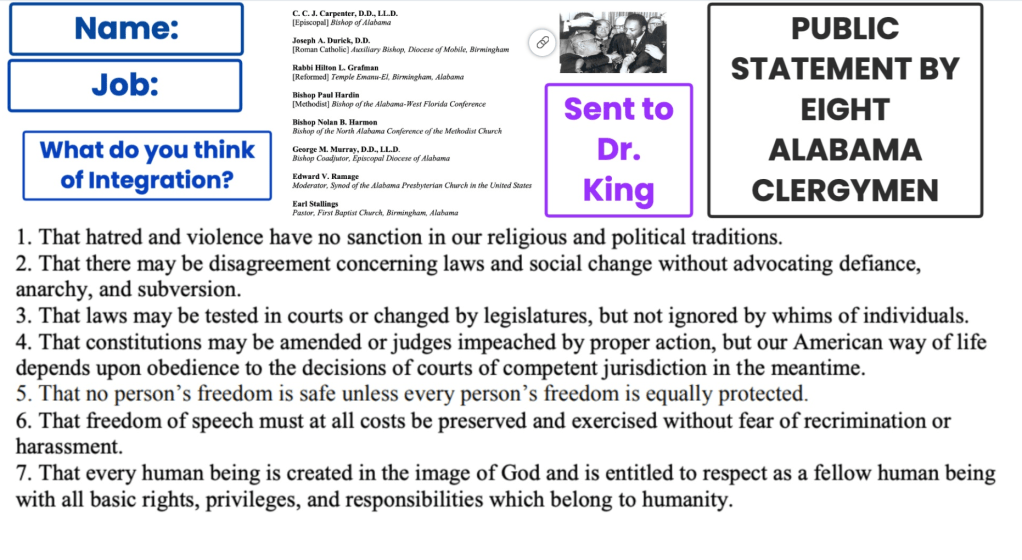
Famously, 8 Alabama clergy members from various denominations wrote Dr. King a cease and desist letter, which they titled “A Call to Unity”. They make 7 key points within the letter, but their argument is a lot like Bell, “follow the law, regardless of if it is just”. These individuals assert that instead of using non-violent Direct Action tactics, the Civil Rights leaders should instead use the judicial system (which they did).

Dr. King, who was in prison for protesting at the time, wrote his famous response, “Letter from a Birmingham Jail.” In the letter, King decries the lukewarm response of “the White Moderate”, characterizing it as a perspective that says
“I agree with you in the goal you seek, but I cannot agree with your methods of direct action”, “paternalistically sets a timetable for another man’s freedom”, lives with a “mythical concept of time”, and focuses on what is most convenient for oneself and the white majority over the human rights of African Americans.

Regardless of one’s politics, it is hard not to see Dr. King’s words looming large over the last 12 months of protesting in the United States, whether in the January 6th attacks at the Capitol or through Black Lives Matter protests this year. As individuals, Christians must reflect on King’s words, discern the will of the Holy Trinity in social and personal affairs, and discern for themselves the right tactics to take. Even as members of a society, we as individuals set on obeying Jesus are not our own but are bound to obey Jesus, whatever that may look like. For me as a teacher, teaching these topics has continued to refine my perspective, but I haven’t settled on an easy solution to every instance of protest or cause. I believe that these issues are not easily simplified, and that Christians must use their discernment (good judgement) day by day, humbling ourselves before God. Like individual people’s actions, I do think that it is important to discern the root of a protest. Is it bitterness? Is it pride? Even the same non-violent tactics used in a protest whose desire is to see Godly justice vs. a protest that is full of bitterness or self-inflation will have wildly different outcomes. For that reason, it is important for Christians who want to be reformers in their societies to truly love righteousness, forgive their enemies, and seek purity of heart through intimacy with our Lord Jesus.

Check out these links if you’re interested in learning more about the diversity of responses of White Church Leaders during the Civil Rights Era, and the lessons their responses can teach us for today:

White Churches’ Resistance to Dr. Martin Luther King

L Nelson Bell, Founder of Christianity Today Magazine

Evangelicals Responses to Civil Rights

Student Responses

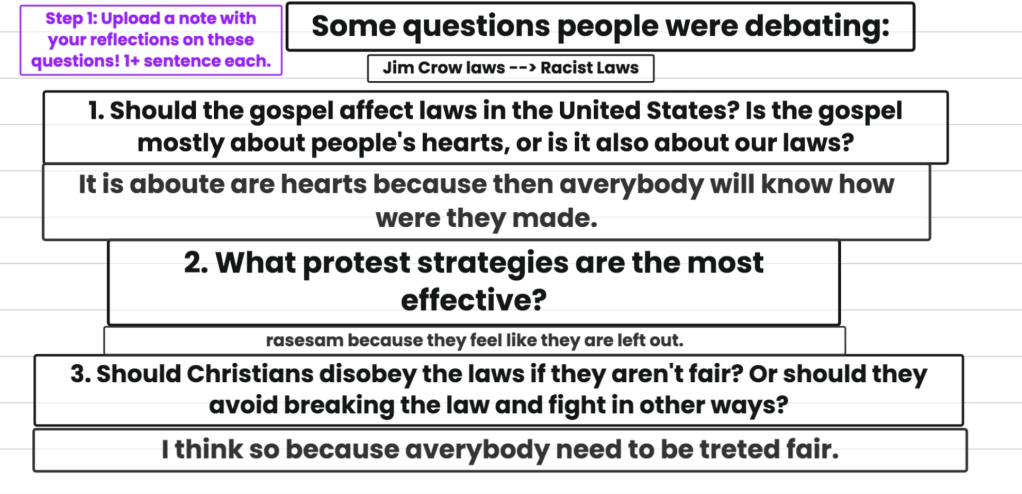
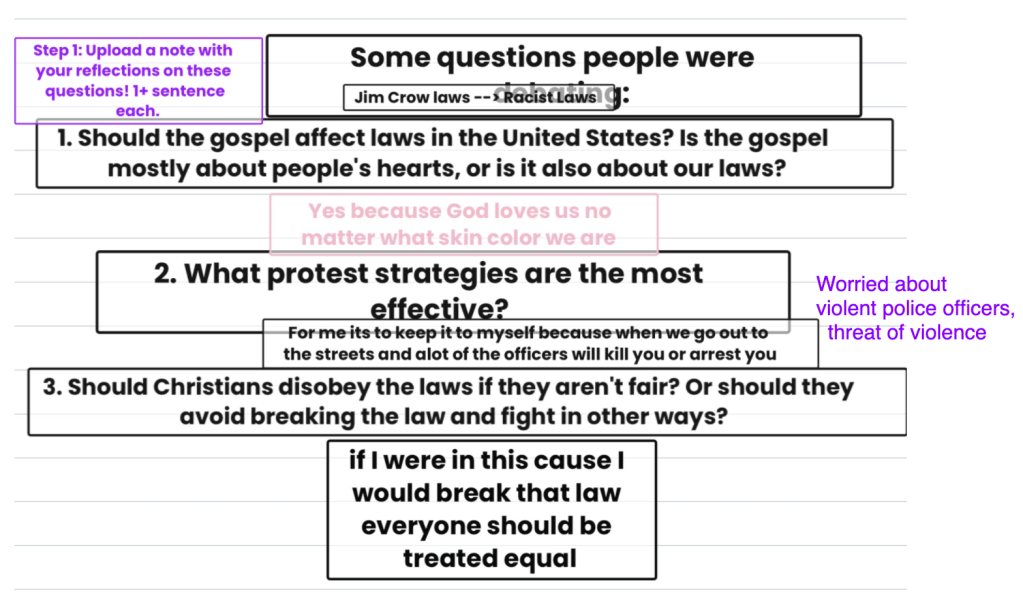
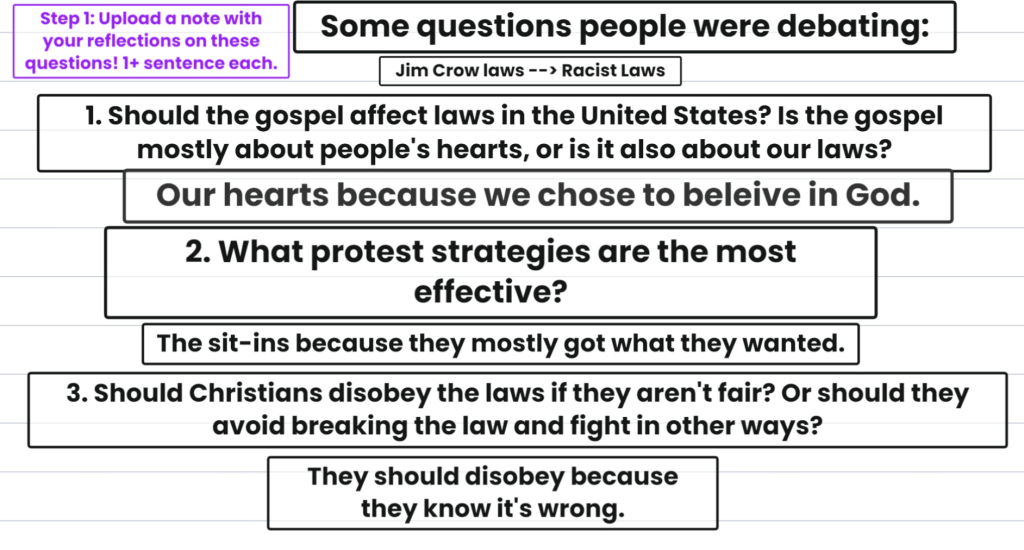
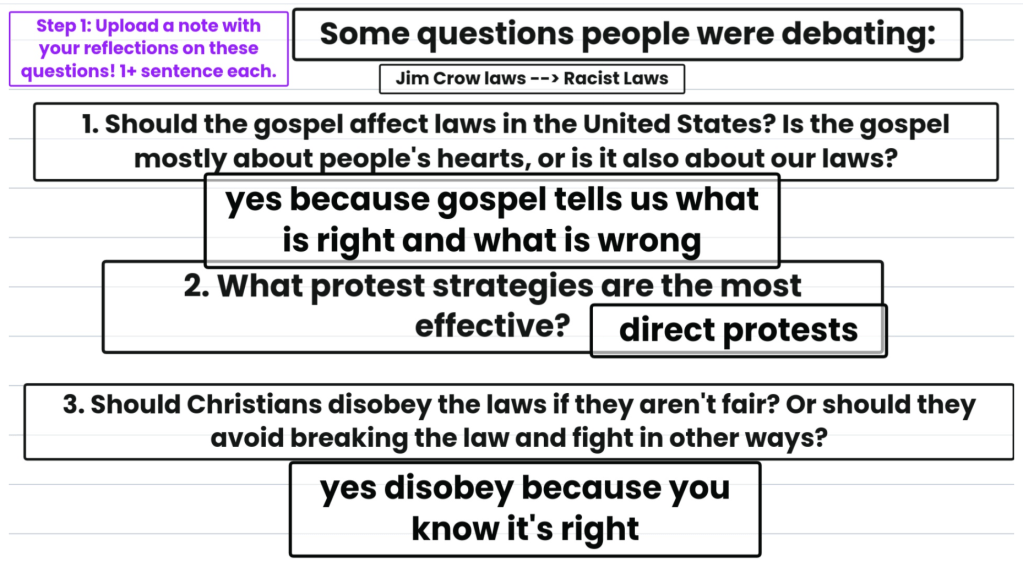
As a final component of this activity, students were challenged to reflect on the purposes of the law and form their own opinions about the suitability of protest methods. Again, I saw this as an exercise in discernment, with outcomes that may depend on the specific protest, which students will ideally return to year after year. Here are some of their thoughts. Just like adults, they have a range of opinions about 1) Whether the gospel is meant to change just hearts or also laws, 2) What protest strategies are the most effective/appropriate for Christians, 3) Whether Christians should practice Civil Disobedience.

Constructive Catholic Contributions

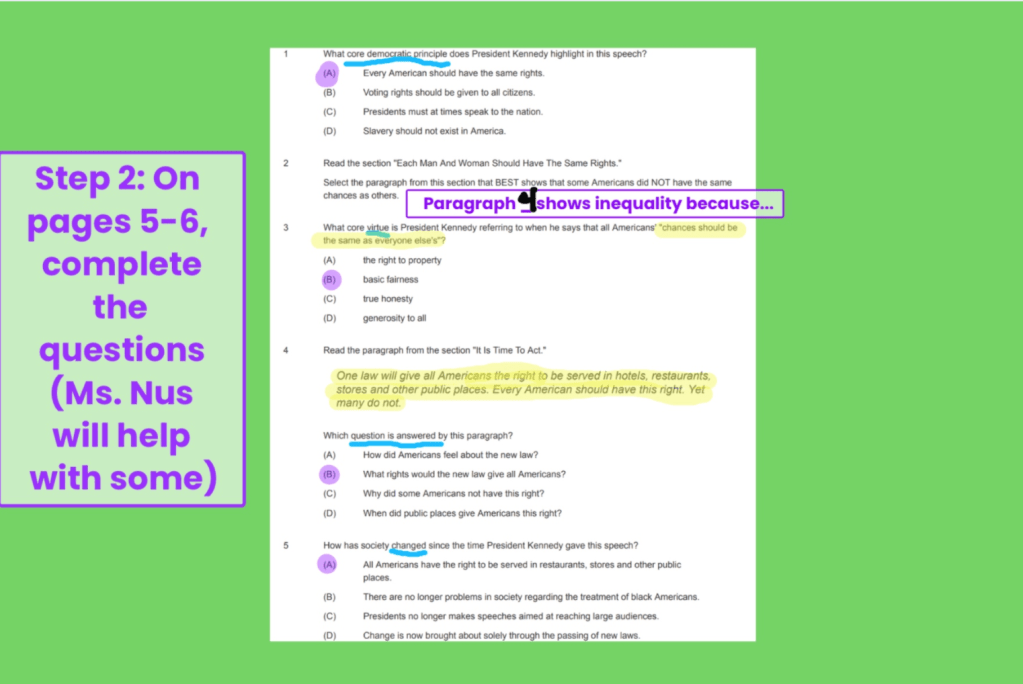
Both to celebrate students’ Catholic identities and push the level of rigor, my 3rd graders read some of President John F. Kennedy’s 1963 speech, “Report to the American People on Civil Rights.” Prior to the activity, I explained to students that at the time of Kennedy’s election, the United States had never had a Catholic president, and many Protestant Christians were afraid of him getting elected. As a Protestant, I addressed how that fear was unfounded. We spent some time talking about what makes a good President (in terms of character) and how Kennedy’s values from Catholic Social teaching provided a positive influence on his character and presidency. Students listened to Kennedy’s speech on Youtube, then read a simplified version of his speech at their reading levels from NewsELA.

Students then discerned the main idea of Kennedy’s speech, and answered critical thinking questions (with a fair amount of support, but hey, that’s what I’m here for).

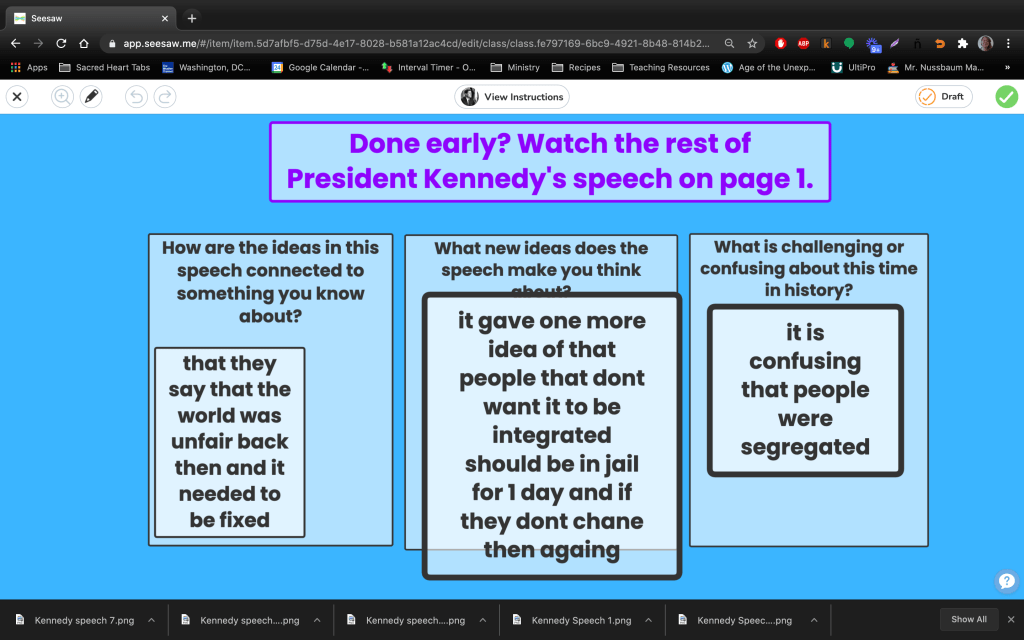
Several students finished the activity early, and completed this thinking routine:

Understanding the Purposes of Direct Action Tactics

In order to understand the diversity of strategic thinking during the Civil Rights movement, both 3rd and 4th grade completed an activity on the Direct Action tactics Civil Rights leaders used. While each of these tactics was a form of Civil Disobedience, Civil Rights leaders felt that their cause was inspired by a biblical and godly desire for justice, and they practiced nonviolence.

In order to understand Direct Action, students needed to understand that there were a variety of tactics used during the Civil Rights movement, and just like today, people had very strong opinions about which tactics were the most effective. We have already spent a lot of time this year discussing the importance of praying for our enemies, praying for people we don’t understand, and asking that God would soften our own hearts. To me, prayer is a kind of extremely powerful from of Indirect Action, because it focuses on changing people’s hearts relationally (through the Holy Spirit). Another example of Indirect action would be helping people register to vote, in the style of Stacey Abrahms.

It is important to note that Direct action tactics are specifically designed to change outcomes within a particular context. The goal of public demonstrations, on the other hand, is largely to 1) build public awareness, and 2) create constructive tension. Public demonstrations can be nonviolent or violent, depending on the intentions of their facilitators and attendants.

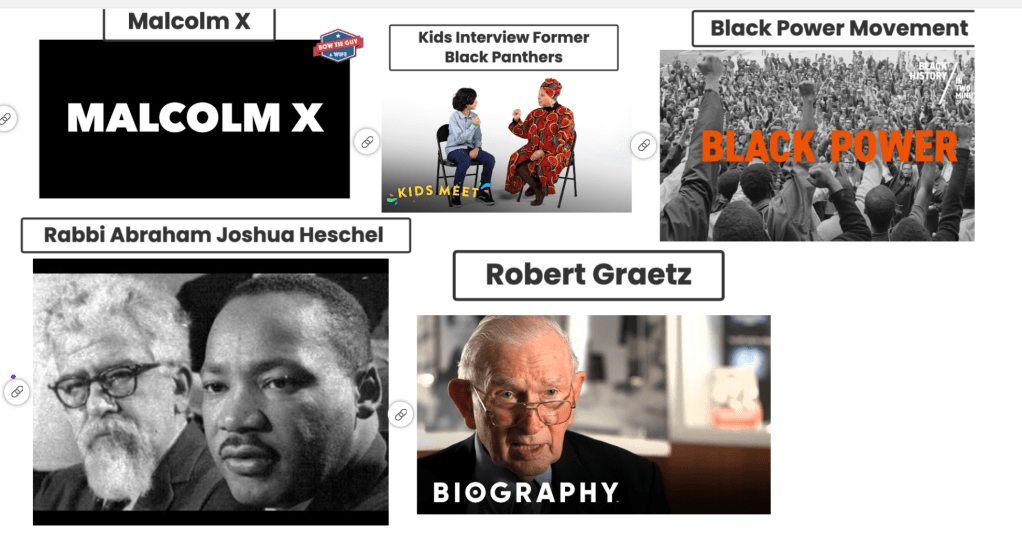
We also briefly discussed the Black Panther movement and the controversy regarding some of the tactics certain leaders used. With past students, I’ve also gone into deeper conversations about the FBI’s involvement in targeting the Black Panthers, but for the sake of time we focused on what would be most important for students to learn about, specifically Direct action tactics.

Teachers are welcome to duplicate this activity on Seesaw using this link.

Learning the Stories of Civil Rights Leaders

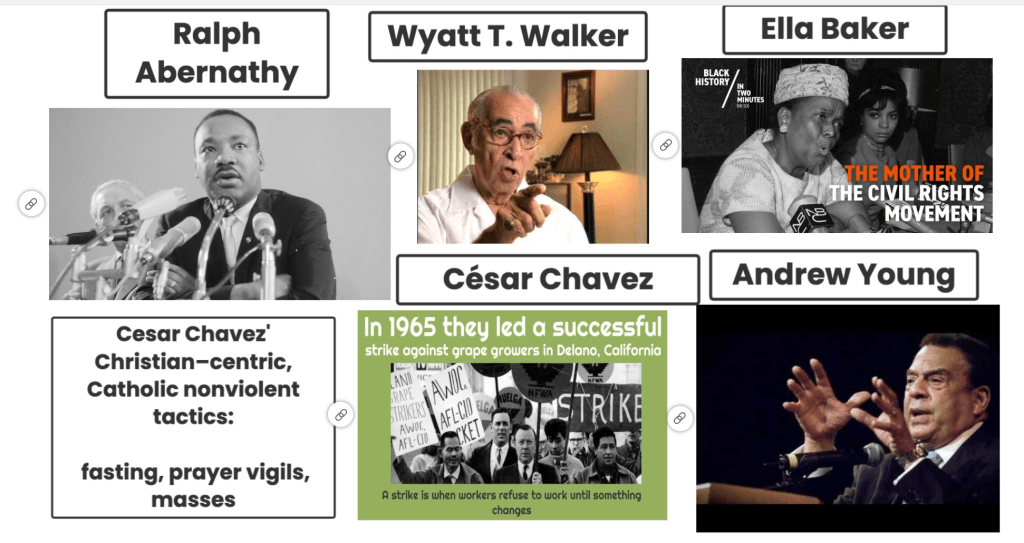
Finally, students had the freedom to explore short video biographies on key Civil Rights leaders and movements. I did my best to select videos that were as impartial as possible so that students would be able to think prayerfully with as few barriers as possible. In compiling this information, it was interesting to see how César Chavez’ faith inspired him to use distinctly Catholic protest strategies (fasting, prayer vigils, and masses). His use of these tactics in the United Farm Workers movement is very reminiscent of the liberation theology of Saint Oscar Romero, a Salvadoran Archbishop whose life and martyrdom during the Salvadoran Civil War is very important to my school’s spirituality.

Contributions of my Colleagues

Thanks to my colleagues, students were able to continue having anti-racist conversations with one another through Book Clubs, and with their families through a Collaborative Learning assignment.

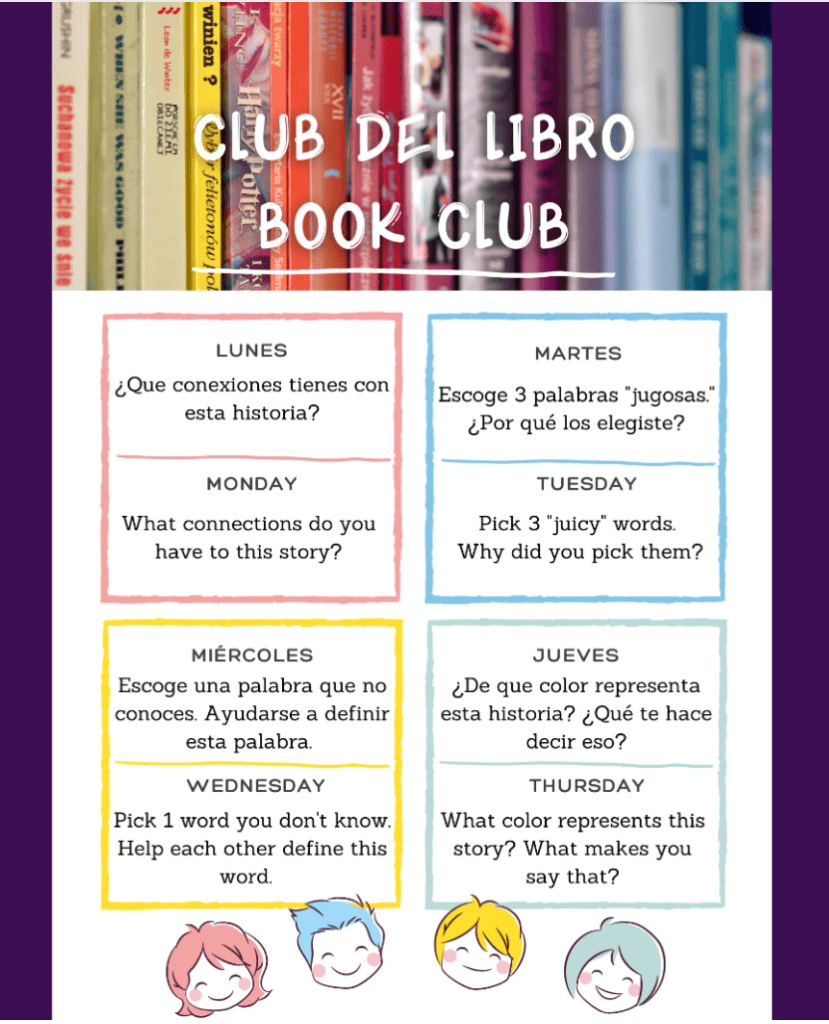
Book Club

As our first week of book club, students read the same book in both Spanish and English, and discussed one question daily with a small group of peers in Zoom Breakout Rooms. The book they read was differentiated (harder or easier) based on their reading level, so all students could confidently participate.

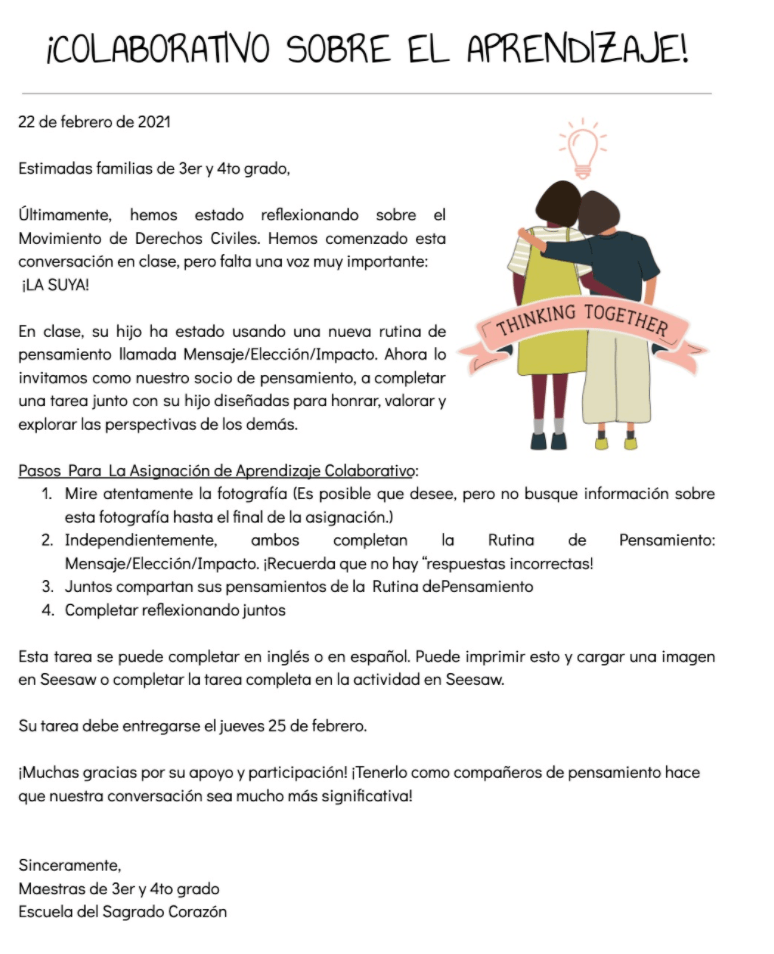
With family: Collaborative Learning Conversation

With a partner from home, students were able to complete an assignment that challenged them to think critically about an image. In this activity, students and their partners separately completed a “Message, Choice, Impact” thinking routine about an image from the National Gallery of Art’s resources, Uncovering America. As a team, we decided to use an image that shows two African American men sitting on the steps of a church, to potentially prompt students thinking about the connection between their faith and Civil Rights. As a bilingual school, students and their families could complete this activity in English or Spanish.

Reflection

Overall, it was very satisfying to explore these themes alongside my students. As we prayed and studied, I felt the Holy Spirit guiding our conversations in such a way that students learned whatever it is that they needed to learn from the topic. Especially given that students have been personally affected by recent protests (including the Black Lives Matter movement), I am very grateful that they could anchor their understanding of anti-racism work firmly in the Bible and could see themselves and their own questions reflected in the stories of Civil Rights leaders.

Next week, we will continue to learn about discernment! Specifically, we will discuss the differences between shame and conviction, how Jesus seeks not just to reform our actions but restore our identities, and how identity change can result in a change of heart and actions. Stay tuned!

In Christ,

Haley

Leading Students into the Desert

With the Lenten season officially underway, the Lord set the scene for a powerful conversation this morning with my 3rd graders about waiting, setting aside distractions, and allowing God to meet us in the wilderness. The Lord wove together our Literacy focus for the day (comparing and contrasting through text structure on desert nations) with Christ’s temptations in the wilderness. The conversation landed on ways that we as individuals of all ages can set aside distractions to meet with God during a time of coronavirus and Lent.

Setting the Scene

Earlier this week, students’ and I discussed the significance of the number 40 as a period of testing, read the account of Jesus’ temptation in the wilderness, and began to discuss his motivations for going into the wilderness to seek God (before public ministry). Since the majority of this group of 16 students at 8-9 years old fall within Piaget’s concrete operation’s stage, I often need to start theoretical conversations by connecting to students’ personal experiences and 5 senses.

I began by telling students that today, we’d be focusing on people groups who live in the desert. Then, I asked students, “If you were going to live in the desert, what would you need to stay safe?”

Students were quick to respond by saying:

  • Sunglasses
  • Sunscreen
  • a hat
  • Shelter (a home, a tent, some place to be safe)
  • native plants (including cactus, which you could eat if you needed water)

Students were very interested in the harsh conditions of the desert, and how plants and animals could survive in these areas. One student asked me, “Can people grow tomatoes in the desert?” Luckily for her, I was born for such a question. Focusing mainly on the Southwestern area of the United States, I explained that plants have distinct areas based on temperature in which they are able to survive.

Link: https://www.arborday.org/media/zones.cfm

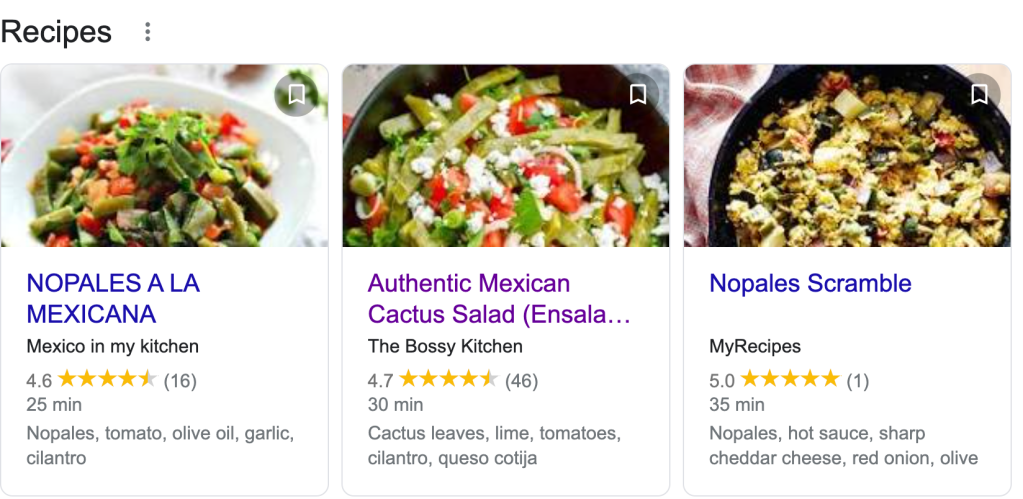
Students and I also discussed the nutritional benefits of cactus fruit (called “tuna” in Spanish, my personal favorite) and recipes for nopales. One student with Mexican heritage a chance to share more about her father, loves nopales (often too slimy for kids). I was also excited that this conversation built on an in depth study we’d done last Thursday on rattlesnakes, among other desert animals.

Link: https://www.saveur.com/article/Kitchen/Juicy-Fruit/

Since key vocabulary and background knowledge are two of the most important factors that indirectly support students’ reading comprehension, I was more than happy to help students imagine and discuss desert flora and fauna before turning to Jesus.

Our Lord in the Desert

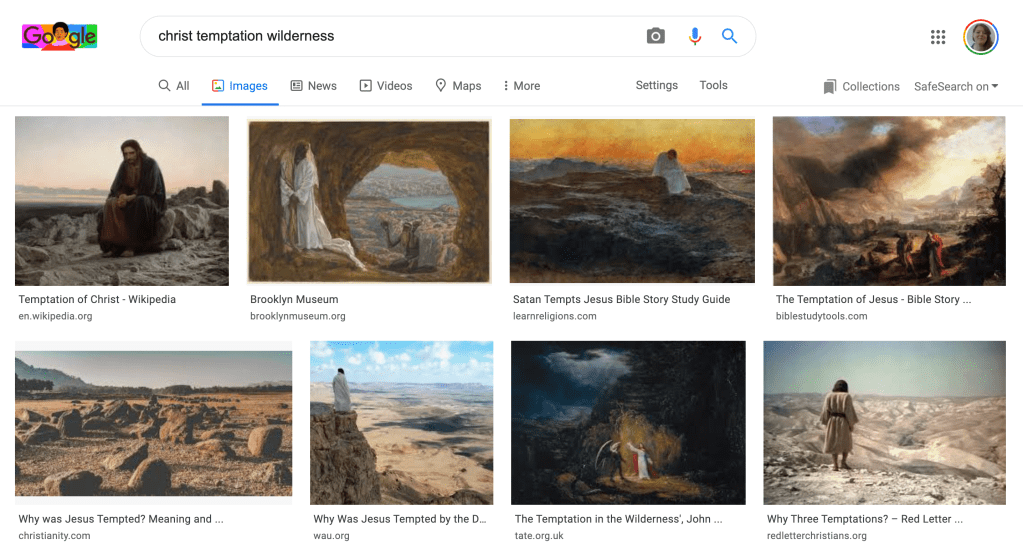
To rekindle students’ memories of our Tuesday conversation about Jesus’ temptation in the wilderness (or desert), we examined different paintings that depict this 40 day period. Students were able to relate to Jesus’ thirst, hunger, and general bone-weariness through the drama in these scenes. Since the teachers at my school frequently weave their Catholic history and heritage with a healthy appreciation for the arts, I as a Protestant am more than happy to use paintings to support students’ comprehension and faith.

I then asked students, “What do you think Jesus’ must have done to survive his 40 days in the wilderness, and to overcome temptation?”

Students remembered that Jesus was hungry, thirsty, and exposed to the elements. I reminded them that in spite of Jesus’ limitations, he relied on the intimacy and love he had for God to withstand his time in the wilderness. In the story of Jesus, we see that during the wilderness we can:

  1. Redirect our attention towards intimacy with God
  2. Resist temptation because our love for God is greater

While we acknowledged that complete food-and-water fasting is something that should only be attempted with great wisdom, we celebrated Jesus’ willingness to put aside the distractions of his city and other humans to seek God first.

The Wilderness of COVID-19

To land the ideological plane before prayer, I mentioned to students that in many ways, we all are in a kind of COVID-19 wilderness. “In what ways is living in a time of coronavirus SIMILAR to living in the desert?”

Students decided:

  • In both deserts and COVID-19, you need protection. While people need to have shelter from the elements in the desert, in COVID-19, our protection is masks and staying in our homes for safety. **I personally found this connection to be brilliant**
  • Both are dangerous (because people can die) **said a student who has lost family in the pandemic**
  • We can feel alone, far away from others, isolated
  • My contribution: Just like Jesus, we can allow God to meet us (in our emotions) and help us to move forward and out of the desert, both spiritually and physically.

Prayer

In prayer, we asked God to draw near to us, and remind us of his enormous love for us that is far greater than the love of even family members. We asked him to fill our individual rooms with his presence and to allow us to sense his closeness, his love and his peace. We asked God to help us respond to his invitation to meet him in the wilderness, and to put off any distractions that keep us from enjoying the love he has for us. Lastly, we asked that as we seek him, he will continue to remind us that we are loved.

From Prayer into Literacy

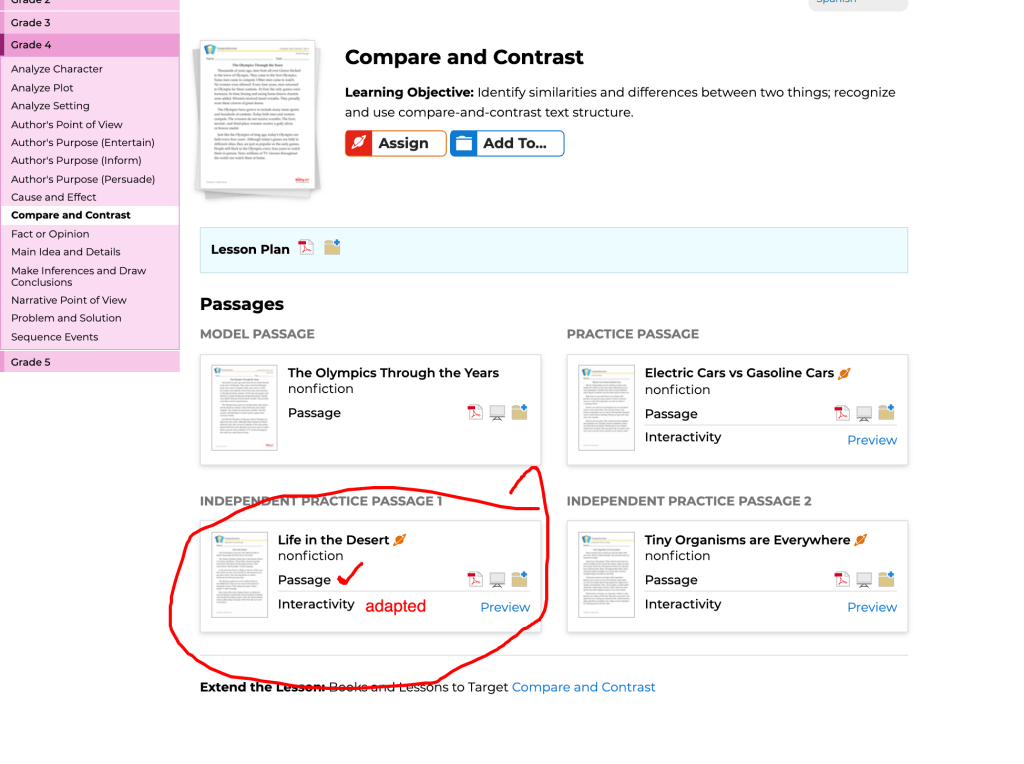
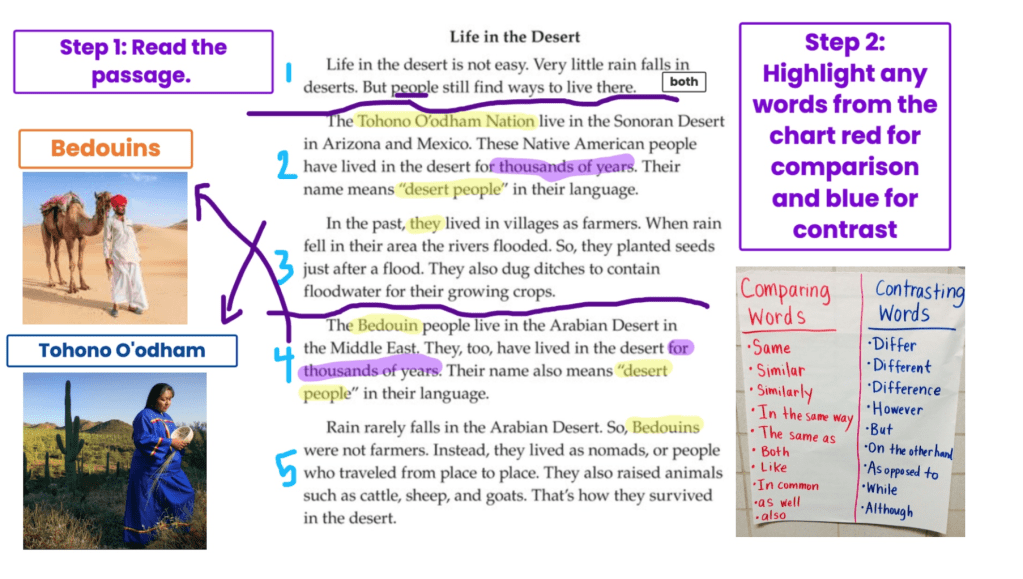
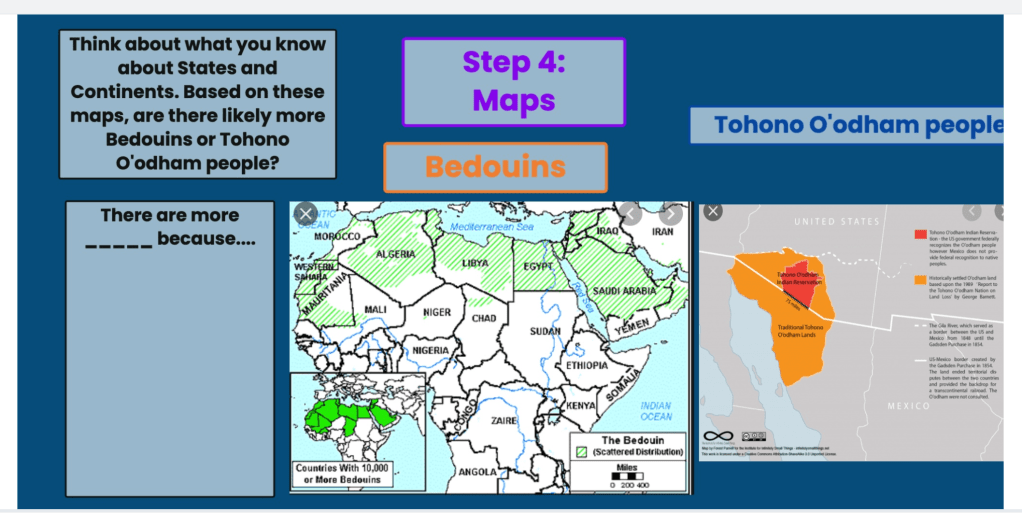
After centering ourselves in the love of God, students were now ready to dive deeper into reading. We used a passage from the Reading A-Z comprehension skill packs, focusing on an article that compared the lifestyles of Bedouins and Tohono O’Odham native people in their respective deserts.

Link: https://www.raz-plus.com/literacy-skills/comprehension-skill-packs/pack/?id=408&langId=1&grade=4

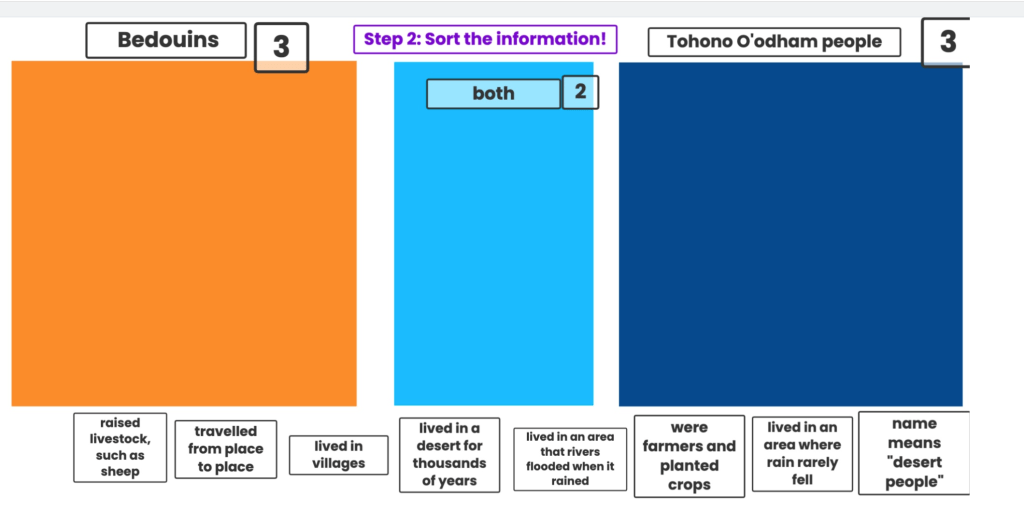
I adapted the Reading A-Z materials into a Seesaw activity for my students to complete independently. Students had to read the passage and sort the information for each group.

It was also fun to show students that the subject’s of the paragraph followed an alternating pattern, with paragraph 1 talking about both groups, paragraphs 2-3 talking about the Tohono O’odham people, and paragraphs 4-5 discussing the Bedouins. Some of my students who are still approaching grade level expectations used these patterns to locate key information, and ignoring less important information.

Finally, students reviewed their map skills (last month’s Social studies focus). Based on geographic maps of these group’s territory, students had to estimate whether there would be a greater number Bedouins or Tohono O’odham people. Since the maps aren’t to scale, they had to rely on their critical thinking.

Once students finished this close reading activity, I had them read and listen to this book on Reading A-Z (at 2 different difficulty levels, depending on student ability). I realized rather spontaneously that this book discusses the two people groups of our passage in depth, and shares other facts about other desert-dwelling people.

Reflection

Overall, I’m very satisfied with how this lesson turned out! I always love the chance to explore different groups’ customs and cultures with students, and I was thrilled that several students were able to connect with desert cultures personally. This group of third graders LOVES animals and is gradually developing more interest in complex texts that fall into the intersection of topics we’ve studied. As a class, not many of them started the year enjoying nonfiction, and not many of them were very interested in my relatively abstract prompts about life and faith. They were able to track with me throughout our entire conversation on literacy AND religion, as well as sincerely remind me to pray. Who wouldn’t love that??? As a bonus, by making this lesson gradually more challenging and starting in a very accessible place, I had students read several levels beyond their independent reading level with confidence. Wow.

So far this year, I’ve discovered a lot of success with this group in using Jamboard to collectively illustrate bible passages as we read them, and in using very relatable examples. While their 4th grade counterparts are firmly into the concrete operational stage (regardless of reading ability), pivoting back and forth between the wildly different maturity levels in these grades has been challenging. However, I’m excited to see these third graders grow in faith and reading skill, and I’m excited to see how they will continue to grow this year and next (since I will continue to teach them).

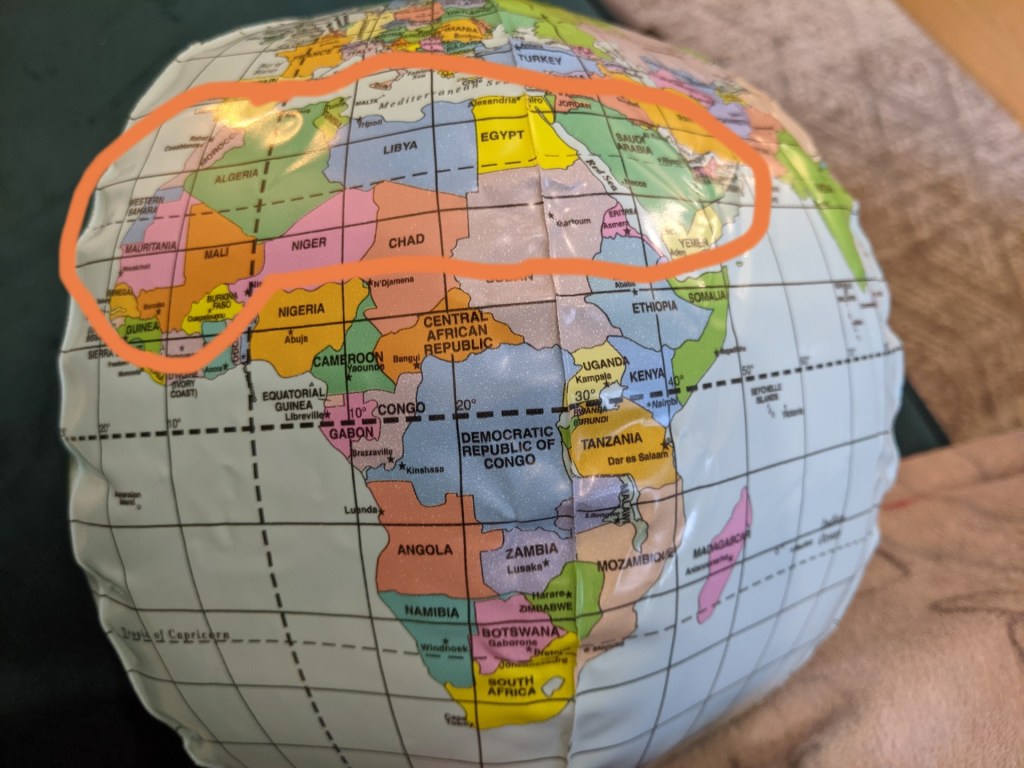
FINALLY, for the sake of fun, we spent the first few minutes of our afternoon Zoom call using the inflatible globes I bought them with a grant to locate these people groups. Yay!

Interested replicating this activity with your students or children? Check it out here:

We (in Education) will be Okay

Late last week, a guest to our school said something that continued to ring in my ears throughout the weekend. He said, “Teachers who love teaching are finding ways to continue loving teaching during the pandemic.” While it’s true that teachers need supportive environments in order to prosper, individuals must love teaching before they can really blossom.

During the pandemic, teachers have dealt with so many external pressures trying to rob us of the love we had at first, or snatch away our love of teaching before it’s had a chance to fully take root. We’ve viciously battled our school districts about return dates and instructional formats, lesson plans and late assignments, personal protective equipment and vaccines. We’ve argued amongst ourselves about the best ways to do distance learning, whether to rely on print materials or press the limits of technology, whether to embrace new challenges or play it safe. We’ve negotiated with students and families and watched with occasional feelings of helplessness as some students seem to wander further and further away. Very few of us have anything good to say about our current classroom state of affairs.

If we view present challenges with the same perspective as in past years, it is easy to grow weak. As teachers it is very easy to be intimidated by the great hill that stands in front of us. We stand here in the middle of the school year, recently made aware by standardized testing of the work it will take to make up for lost classroom hours. There is pressure to rush remediation from school leaders, students’ parents, media, and even ourselves.

As we sift the data, we forget that it data in and of itself will not help us support our students better. Overburdening our students with an excess of routines and pressure will not save them. Relating to ourselves, our staff, or our students as victims or martyrs will not help us. Ignoring the present challenges we collectively face and scrambling to snatch for control won’t help us meet our students where they are at.

In some ways, we have to accept that we cannot control everything. We cannot control when we are made to come back into school buildings, how many students will show up for class, whether parents are available to supervise students as they do their assignments, or whether we will be forced to return home again. For a profession so gripped by our own need for control, many of us struggle to accept our current challenges at face value without falling into bitterness, anger, or resentment. We didn’t choose this, but these obstacles are smaller than they seem.

Our students’ need us to keep our love of teaching alive. Even now, we are providing tools for them to learn that a year ago, would have seemed impossible to most of us. We have allowed ourselves to be challenged and have learned a bevvy of new skills. This school year, we have been changed in ways that will continue to shape us for the rest of our careers. And in spite of a face-value reading of the facts, many of these changes were good. As Mark Twain once said, “A man who carries a cat by the tail learns something he can learn in no other way.” While each teacher’s experience of the pandemic is distinct, we as individuals and as a profession have learned a whole host of things we could have learned in no other way.

At just over half way through the school year, we must be careful to center ourselves in the love we had at first. This pandemic will end eventually. We will devise strategic and well-placed interventions to support those who need it. We will fight for students to get the support they need, and just as before, student will learn as a response to nurture. We will return to the days of noisy classrooms, messy projects, and daily misadventures with students. Things may not be exactly as they once were, but they will be similar enough that we will be tempted to forget the things we’ve learned this year, if we haven’t course-corrected already.

In order to conquer isolation, anxiety, and lost instructional time, students need to love what they learn. Our children have what it takes to make up for lost time if we focus on making sure they love what they are learning. YES, we should definitely be giving strategic and high quality supports. But without passion and purpose, our interventions will fail to motivate. Our students already realize that covering lost ground will be a tough climb. We as adults are not the only ones facing anxiety about whether we currently measure up. It matters more that we fan the flames of students interests and relate their passions to current units of study than that we micromanage and over-stress students and their families. There will be a time to hit the ground running, but our students need to be energized to run the race once we get there. Focusing on curiosity and passion will allow us to enjoy the race. They are and ALWAYS will be the perennial starting place.

We as individuals must understand for ourselves how we have grown and how we can still love our jobs during a pandemic. If we are willing to focus not just on what we’ve lost but where we’re going, our love of teaching will continue to shine a light and spark passion in our students. Our love of teaching will give us the joy and endurance for the hill we climb, and we will be okay.

Design a site like this with WordPress.com
Get started