Statement on Religious Freedom, Freedom of Speech, and the January 6th, 2021 Attack on the Capitol

As an educator, my role is always shifting, based on the needs of my students. Following the January 6th, 2021 attacks on the Capitol Building in Washington, D.C., I spent the majority of my day re-assuring my 9 year olds that they were safe, praying with them for protection amidst the violence, and helping them process the fear that came from seeing the events at the Capitol. My students were most scared by pictures showing rioters attacking police officers, and pointed out that if the police are supposed to protect us, who will protect them? We also prayed that God would remove the hatred, bitterness, racism, and violence out of people’s hearts, heal and deliver them from these evils in the name of Jesus.

From my perspective, 2020 was an opportunity to confront our nation’s collective racism, resurrect bipartisanship in the face of an international crisis, and come to grips with decades of insufficient or half-hearted attempts to support working poor, rural, urban, or other vulnerable populations that just so happen to have been hit hardest by school closings. With so few churches speaking out decisively against the hatred, bloodshed, racism, and political idolatry present in the January 6th, 2021 attacks on the Capitol Building, it seems that many of us have failed this opportunity. I listened to many well meaning individuals pray for corruption to be exposed these past two weeks, hoping it would lead to some kind of miraculous reversal of the 2020 presidential election. Well, God did expose the corruption. He exposed pride, greed, blood-thirst for power, entitlement, horrifying spiritual blindness, idolatry, and a stark lack of love for Jesus.

It is true that the Church and individuals in it need to love one another, but we must also hate evil. Proverbs 8:13 says, “The fear of the Lord is hatred of evil.” Matthew 6:24 says, “No man can serve two masters”. If Christians foment our bitterness from thoughts into words and then actions, we are not following Jesus. Do not put the Lord to the test (Luke 4:12). Christians each need to condemn evil, examine our hearts, and turn back (repent) of any bad root we’ve allowed to grow there. The process of repentance requires sincerity. In repentance, we are expected to name our sins, ask or forgiveness, and walk back (Acts 3:19). There are occasions where our sinful words and actions lead to external consequences that we may also experience. But God frequently and faithfully restores the contrite (1 John 1:9). Indeed, all of us have a deep need for forgiveness and restoration which can only be satisfied in Jesus (Romans 3:23). So many of us have been able to receive the freedom Christ offers through our repentance and God’s forgiveness, and we have been gifted this ministry of reconciliation as a result (2 Corinthians 5).

Precipitating the attacks at the Capitol, there have been increasing debates in the United States about the role of censorship and freedom in speech in media. From my present understanding, persecution related to freedom of speech or freedom of religion in much of the world has to do with assault, murder, imprisonment, clear instances of slander, or other similar crimes. I’m wondering how these instances of persecution compare to the practice of accountability.

Given that “life and death are in the power of the tongue” (Proverbs 18:21), many Christians believe that our words (birthed from thoughts and into actions) have power to influence real events (James 1:15). Therefore, it stands to reason that we should be accountable for our words. Furthermore, Jesus seems to share this opinion in Matthew 12:36-37, saying “I tell you, on the day of judgment people will give account for every careless word they speak, for by your words you will be justified, and by your words you will be condemned.” If there is an element of verbal confession required in salvation (Romans 10:13), accountability for words should be of no great surprise.

In contrast to persecution, accountability is a category practices whose goal is the communal restoration of one or more individuals who are ensnared by sin through their own actions (Galatians 6:1-5, James 1:15). In holding people accountable, individuals are instructed to restore others “in a spirit of gentleness…lest [they] too be tempted [by sin].” We as individual Christians have often failed to put on this spirit of gentleness, having sought to merely expose wrongdoing without the purpose of restoration. We have not always uttered truth in a means (method) and with an ends (purpose) in accordance with the love of Christ (1 Corinthians 13:1). However, there are also instances where individuals caught in sin fail to take accountability for their actions (Romans 1:24, 2 Timothy 4:10), claiming that the social consequences related to accountability are a personal attack related to freedom of speech OR religious persecution.

We as Christians must hold accountability and gentleness in the same hand. We must learn to distinguish between the consequences of being held accountable for our actions and instances of true persecution (whether related to freedom of speech OR religion). To ignore accountability shows contempt for God’s mercy, which should lead us to repentance (Romans 2:4). To ignore religious persecution or persecution related to freedom of speech is to be apathetic towards the lived experiences of many individuals (including some individuals in the United States).

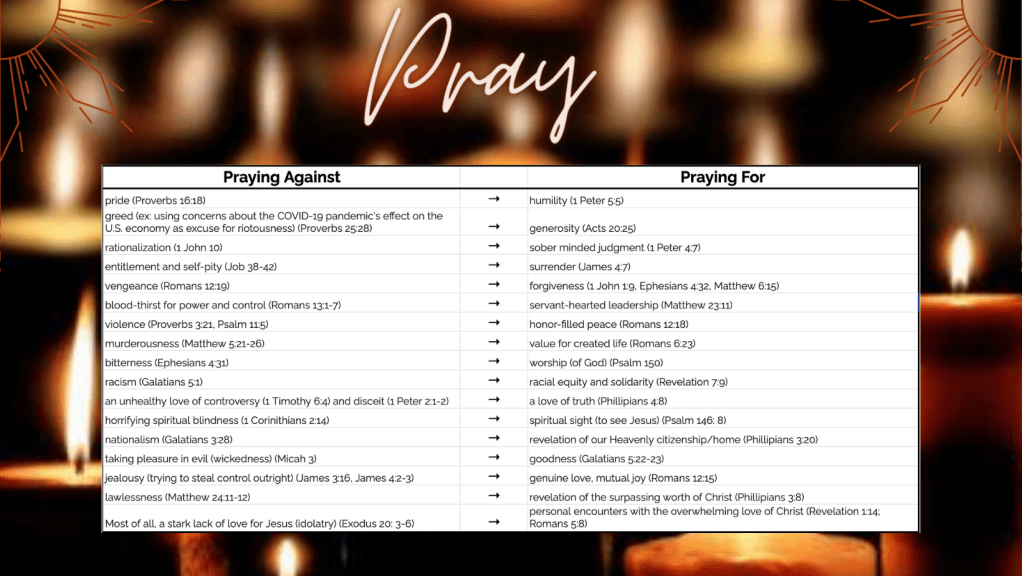
I believe that these events should be addressed from a spiritual point of view (Ephesians 6:12). From my perspective, the rhetoric and spiritual tenor of the January 6th, 2021 attacks on the D.C. Capitol building demonstrated:

  • pride
  • greed (ex: using concerns about the COVID-19 pandemic’s effect on the U.S. economy as excuse for riotousness)
  • rationalization
  • entitlement and self-pity
  • vengeance
  • blood-thirst for power and control
  • violence
  • murderousness
  • bitterness
  • racism (use of the confederate flag)
  • an unhealthy love of controversy (1 Timothy 6:4) and conspiracy (deceit)
  • horrifying spiritual blindness
  • nationalism
  • taking pleasure in evil (wickedness)
  • jealousy (trying to steal control outright)
  • lawlessness
  • Most of all, a stark lack of love for Jesus (idolatry)

While some of the terminology I’ve used here may seem extreme, I believe that explicitly naming what spiritual influences are operating within events gives the collective Church power to bind and render them ineffective (Matthew 16:19).

I am praying that God would bind and render these strongholds ineffective. I am also praying that God would loose (in order):

  • humility
  • generosity
  • sober minded judgment
  • surrender
  • forgiveness
  • servant-hearted leadership
  • honor-filled peace
  • blessing
  • worship (of God)
  • racial equity and solidarity
  • a love of truth
  • spiritual sight (to see Jesus)
  • revelation of our Heavenly citizenship/home
  • goodness
  • genuine love, mutual joy
  • revelation of the surpassing worth of Christ
  • personal encounters with the overwhelming love of Christ

I invite you to join me in prayer, knowing that we serve an inexpressibly great God. In a similar vein, I leave you with the prayers of my fourth grade students, in response to the Capitol Attacks. As we celebrate and honor God for the many things we love about our Nation, we also are praying for God’s direct intervention in addressing the evils we have allowed to grow here unchecked. We are humbling ourselves in repentance, examining our own hearts, and praying that God will heal our nation (2 Chronicles 7:14). Will you join us?

In Christ,

Haley

December Inquiry Project: Successes and Adjustments

For the month of December, I took on a new enrichment project to keep my advanced students curious as they learn at home. While it is my desire to eventually open up this project to whomever of my fourth grade students are interested, during quarter 1 and 2, I’ve prioritized giving targeted instructional support to students who are lacking important skills in reading or math, based on beginning of year Scantron data (among other sources).

Based on this data

  • Of the Scantron sub-topics, most students had at least one topic within reading or math that they needed to practice (number operations, algebra, geometry, measurement, data, fiction, nonfiction, or vocabulary)
  • About half of fourth graders are performing at grade level expectations for reading, with one quarter above grade level and another quarter below
  • About one third of fourth graders are performing at grade level expectations for math, with one third above grade level and another third below

Who was selected to participate?

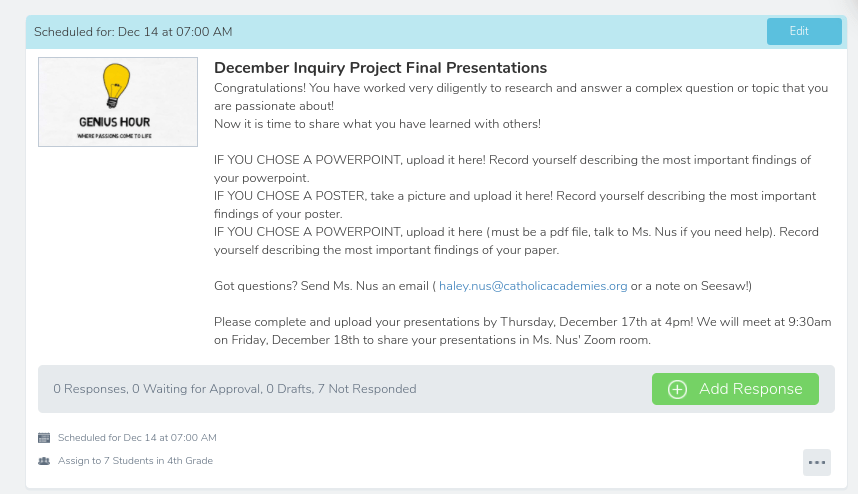
Students who were above grade level expectations in both reading and math were invited to participate in this month long project (a total of six students). This project (the “Inquiry Project”) was largely self-directed, with weekly small group check ins on Friday mornings before whole group Zoom calls and teacher feedback throughout the week.

Sequence of December Inquiry Project

Week 1: To begin the project, students had to pick a topic they found interesting, and create a plan of study. This plan included one central research question, and two supporting questions, and challenged them to consider what materials they might need to complete their final project.

Week 2: Next, students had to begin to use digital or print sources to explore their research questions. Students shared the information and sources they had found in our conversation on Friday morning. It was my goal to have students give one another feedback that morning by asking questions, but it had to wait until the following week due to issues with technology and time.

Week 3: After that, I gave students specific feedback about ways they could strengthen or add detail to their projects. For students who had found an abundance of sources during their first week, I challenged them to consider the connection between their faith and their topic. More on that below! This week, students had a chance to explain to each other what information they had found so far, and ask one another questions. I shared copies of students’ questions to one another after our meeting, so that students could have the chance to respond to their peers in their final project.

Week 4: Finally, students designed a final project (a powerpoint, poster, or research paper).

I invited other members of our 4th grade team (instructional coach, Spanish all subjects teacher, principal, vice principal, etc.) to join us for students’ presentations. I considered inviting parents, but was concerned it would have a divisive effect. For January, a colleague suggested that students decide if parents should come. For now, I felt more comfortable keeping the trial run of this project in-house.

Presentations

Overall, the topics students selected were FASCINATING, ranging from:

  • black holes
  • white holes
  • black footed ferrets
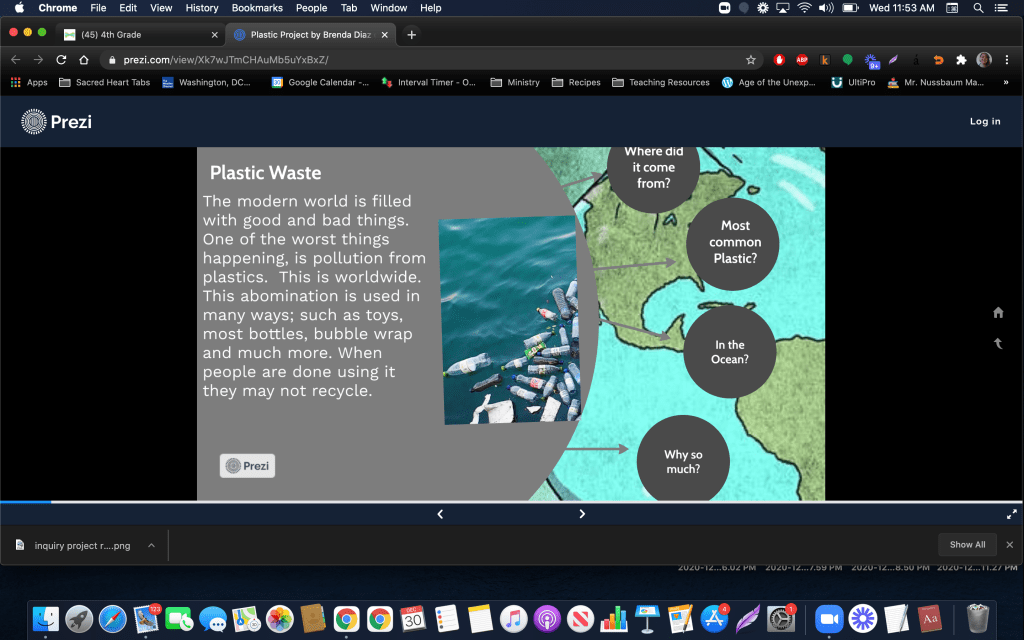
  • environmental justice/plastic alternatives
  • mining and rock ores
  • Greek myths
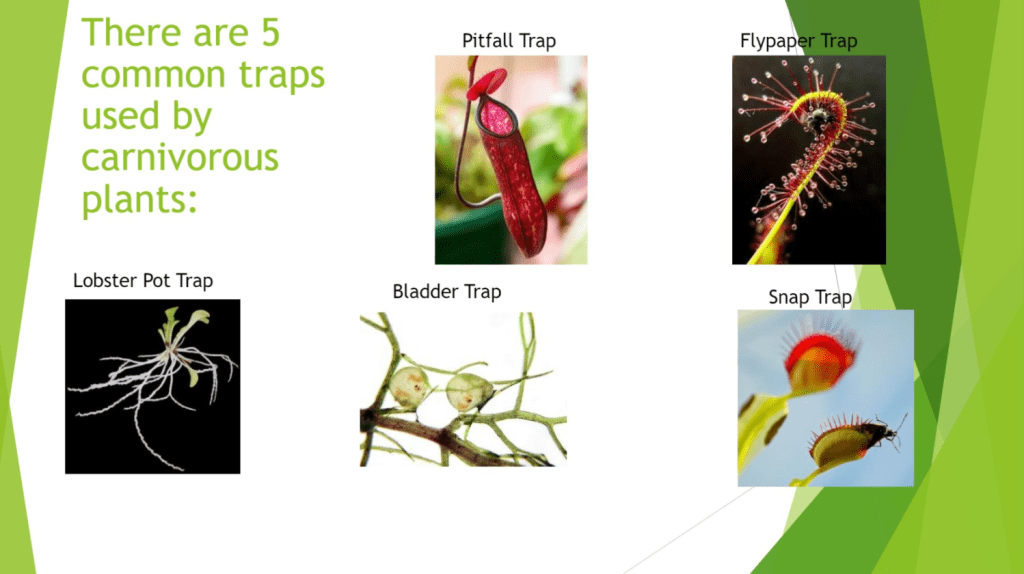
  • Carnivorous Plants

As students presented, they sometimes had me advance slides for them as they explained what they had learned (about 5 minutes per person). After each person spoke, we gave constructive feedback as a team by typing it into the chat on Zoom. Students had participated in various thinking routines (like “See/Think/Wonder”) in discussions before, and the feedback they gave one another was strong. I also noticed that there was a collective sense of grace for students whose presentations didn’t include as much detail as others. The group seemed determined to celebrate everyone’s work, which was heartwarming. I was proud not just of their scholarship, but of their supportiveness.

My favorite part

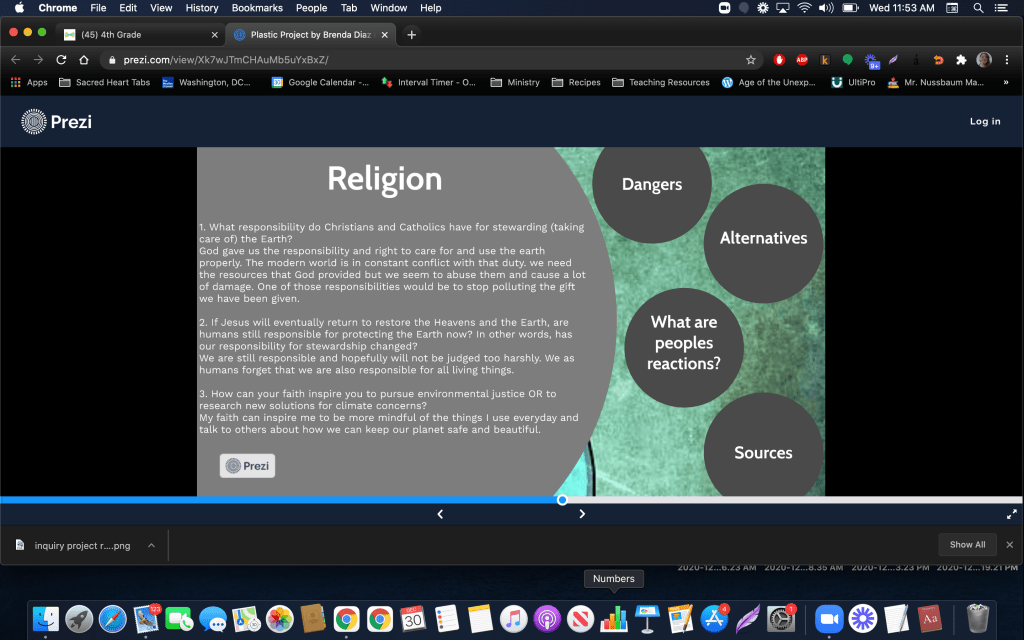
The most satisfying part of this project for me as a facilitator was being able to challenge students to consider how their faith intersected with the topics they were studying. I really appreciated how some students were able to consider how Greek culture/myths might have shaped some Greek’s reactions to the gospel (Acts 17), how verses from Genesis and Revelation support ongoing stewardship of the Earth’s natural resources, and how carnivorous plants and black footed ferrets reflect the diversity of God’s creation.

Student Reflections

After student presentations, I asked students to complete a simple reflection on the strengths and weaknesses of their project, considering what they’d improve for next time. Unsurprisingly, students whose projects had lacked detail made it a goal to add more detail for their January projects. It was exciting to see how the grace given to them by the group equipped them to take responsibility. In general, I was able to take the feedback students gave in this reflection to consider how to design January’s projects for increased equity and greater instructional support. For many students, this was their first mostly self-directed research project. I am so excited that students’ were able to set goals for January that exceeded the feedback they could have received from me or the group. To me, that demonstrates a greater understanding and appreciation for self-directed learning that will hopefully continue to feed their scholarship. Especially given how many high achieving students’ default to anxiety and perfectionism as they get older, I hope that these students will find joy and awe in the learning process, and see God at work within their interests.

Adjusting for Equity

It is my goal that students continue versions of this project each month during distance learning. Now that I’ve been able to get a feel for how to facilitate these kinds of projects, I am ready to expand the project to students who are performing at grade level in both math and reading (receiving As or Bs, Honor Roll). It is still my goal to leverage student interests to eventually motivate students who are performing below grade level at one or more subjects, but I sense the need for more support (potentially delegating some of the work to a colleague) to pull that off.

For the January Inquiry Project, I brainstormed with my colleagues about students who might benefit from participating. We have invited 3 more students to participate, and now have approximately half the class completing an inquiry project. This decision to expand the project to students who are performing at grade level in both subjects has the effect of including more Latino students and students learning English, which is exciting! Due to the ways that race and SES interact within this area of D.C. and the advantage native english speakers have on standardized tests, english learner students in DC often score lower than their peers on standardized tests anyways. It is likely that these students are just as capable as their monolingual or white peers, but their abilities aren’t fully captured by standardized testing. Including more students and increasing the equity of the project will increase the diversity of students’ ideas, which I am more than thrilled about!

Changes to the January Inquiry Project Design

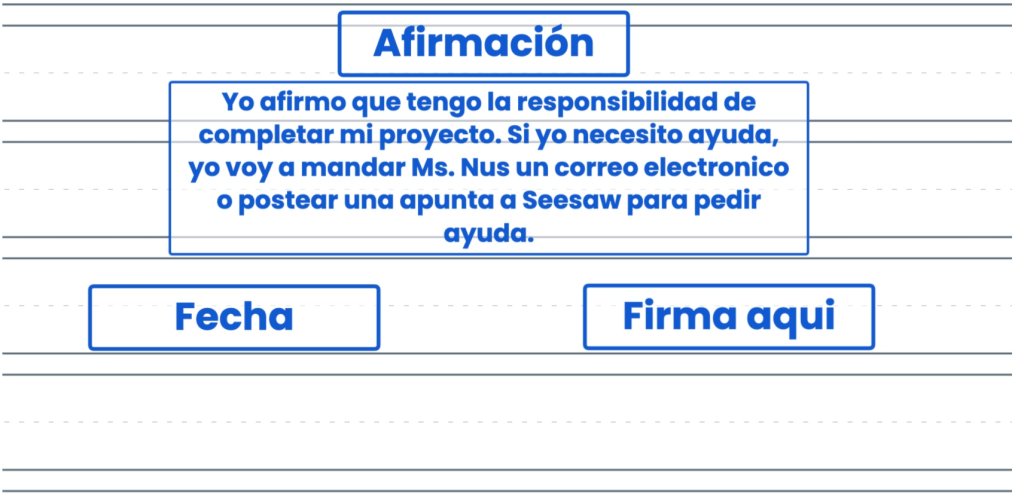
In order to support bilingual Spanish speaking students and their families, I have made all of the Inquiry Project activities bilingual, giving students the choice of the language they will utilize. It is important to me that students can present their findings in the language they feel most comfortable in. While I technically teach all subjects in English and am not required to make this change, I am hoping that it increases student access AND will help develop my primarily Spanish-speaking colleagues interest in the project, so that we can include more students at their instructional levels. Truthfully, I would love for this to be a multi-grade level project next year and have intentional elements of math and reading. BUT I am still tinkering with that idea and would need much more support among colleagues to pull it off.

I’ve also decided to:

  • Break our 9 January students into two groups (of 4 and 5) to complete their discussions in Breakout rooms on Zoom. Students already have a lot of experience in Zoom Breakout rooms and I am confident that this will increase their ownership of the project (and feedback to one another).
  • Move our Inquiry Project Friday check ins from 9:30am-10am to 9:15am-9:45am, to give students a break before our whole group 10am Zoom calls
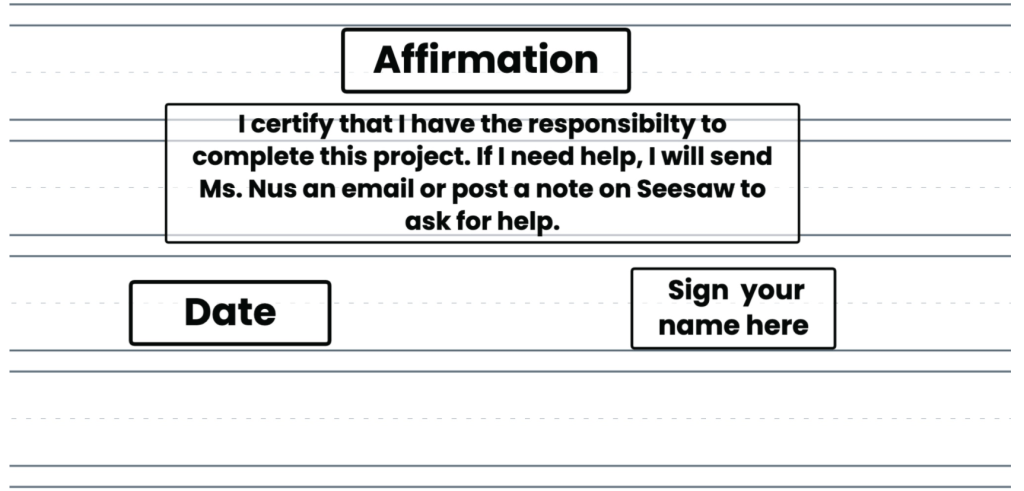
  • Add an “affirmation” section to students’ Inquiry project proposal, so that it will be closer to a learning contract. It is my goal to support an increase in student responsibility for January projects, and to watch as students make it more their own. Therefore, I felt this clause was important.

In February, I hope to give students the option to transition from Independent to partner or small group inquiry projects, with clearly defined roles and responsibilities!

For our January Inquiry Projects, please pray:

  • That God awakens callings and passions in my students that will stay with them for life
  • That students’ develop increasing levels of maturity and responsibility that lead them closer to God
  • That all students would feel a deep sense of belonging and purpose as they study, and that there would be no linguistic or cultural barriers preventing student and parent participation
  • That these projects would be a light to students during the COVID-19 pandemic
  • That by the end of the year, all fourth graders would have the option able to participate in an Inquiry Project of their choice, through increased support from colleagues and planning graces

In Christ,

Haley Nus
December 2020 Monthly Summary

After tech troubles made me take a writing hiatus in November, I’ve got plenty of news to share. These past two months have taken a slightly slower pace as God has invited me into his rest.

Teaching from Home

After Thanksgiving, I fell into a renewed rhythm of teaching from home. Previously in juggling hybrid (online and in person) learning, I was beginning to sense the need for change. While I loved having my students in a reliable rhythm, I began to feel very much like I had traded roles with the parents who have been working from home these months, in that I could not possible multitask as well as I’d like. Constantly alternating between attending the needs of my students online, my students in the classroom, and my own needs added an element of hurry that made tasks that required strategy and stillness often out of reach. Even once students went home by 3pm and at last I had some time by myself, that feeling of hurry persisted. Combined with some persistent technological issues, I was feeling a lot of strain.

While returning to teaching from home was hard to accept, the change of environment and audience has allowed me to larger issues. At just the right time, my principal provided the means to resolve my tech issues, and I have been freed up to focus on instruction. For example, my teammates and I were able to develop a better system of communication with fewer emails, more clarity in dividing tasks, ongoing meeting notes, and much more initial strategy in unit planning over the last two weeks. With my students, I’ve been able to focus on giving more substantial feedback so that students delve deeper into topics and connect better with me on an emotional level. I’ve also been able to forge deeper bonds with students’ parents and consider how to use different meeting styles to hear from my students and colleagues aren’t often as vocal. I can’t wait to tell the story of how these adjustments have led to increased student and team participation in the coming weeks!

Contextual Study on Pause

Throughout August, September, October, and November, I’ve had my hands full gathering interviews, historical resources, and other information about my school community for my Contextual Study project. In January and February, I will begin to synthesize these materials to write a first draft of my Contextual Study: a 20-25 page paper by tracing my school’s history, current ministries, neighborhood context/demographics, and numerical data. Throughout the early months of my project, I kept myself organized and ended up gathering my materials about one month ahead of schedule. Therefore, I took the month of December off to rest before writing. The rest has been fabulous, and I’ve been grateful to focus more on my teaching responsibilities than seminary study this month.

Theme this month: Praising God for Freedom

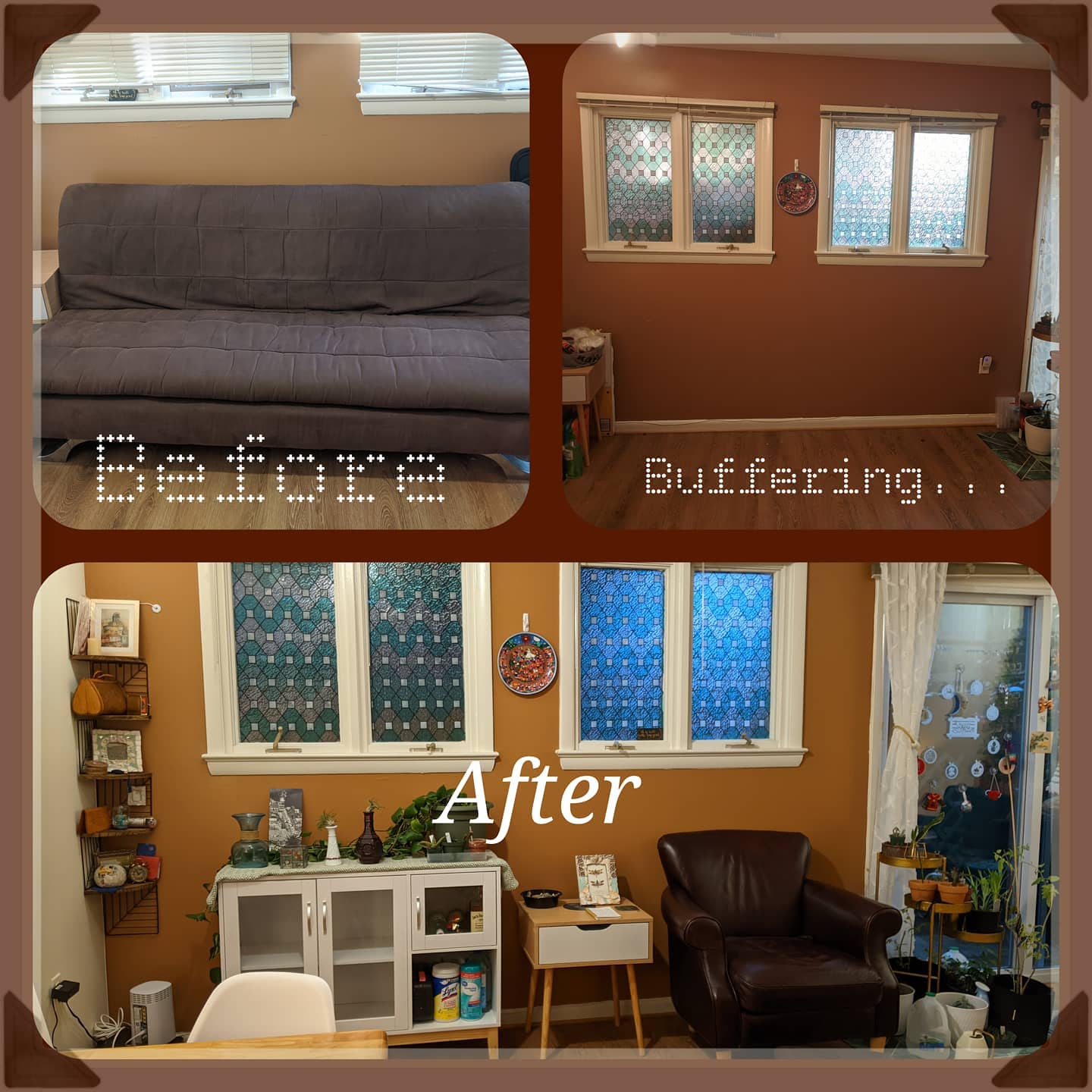
As I’ve spent more time looking around my apartment this month, I have been overwhelmed by an enduring sense of gratitude for all the wonderful things God has given me. Down to the very walls themselves I can see evidence of God’s faithfulness, and that has given me a lot of unexpected joy! Prior to transitioning to working from home, I was concerned that I would be overcome by the lack of routines or even feel isolated. Quite frankly, that has rarely been the case. If anything, I feel much stronger in my ability to know and budget my own limits and time. Lately I haven’t been spending as much time with people connecting on the phone, BUT I have been able to connect in smaller ways and develop a deeper sense of security in friendships. I’ve also been able to make several furniture changes, get rid of clutter, and deeply clean my apartment. These changes reflect a theme of purifying simplicity that I feel has swept through my spirit this past month in various ways, giving forth freedom. Praise God!

What I’m reading

Simple Pleasures

  • Safely adventuring with friends outdoors to view D.C.’s many Christmas Trees
  • Finding out that I’ve gotten approval to enroll in another 3 credit course called Legal Issues in Education for free! (April – May)
  • Passing out winter gear to residents in Anacostia DC with friends at Wounded No More
  • Blessed furniture changes
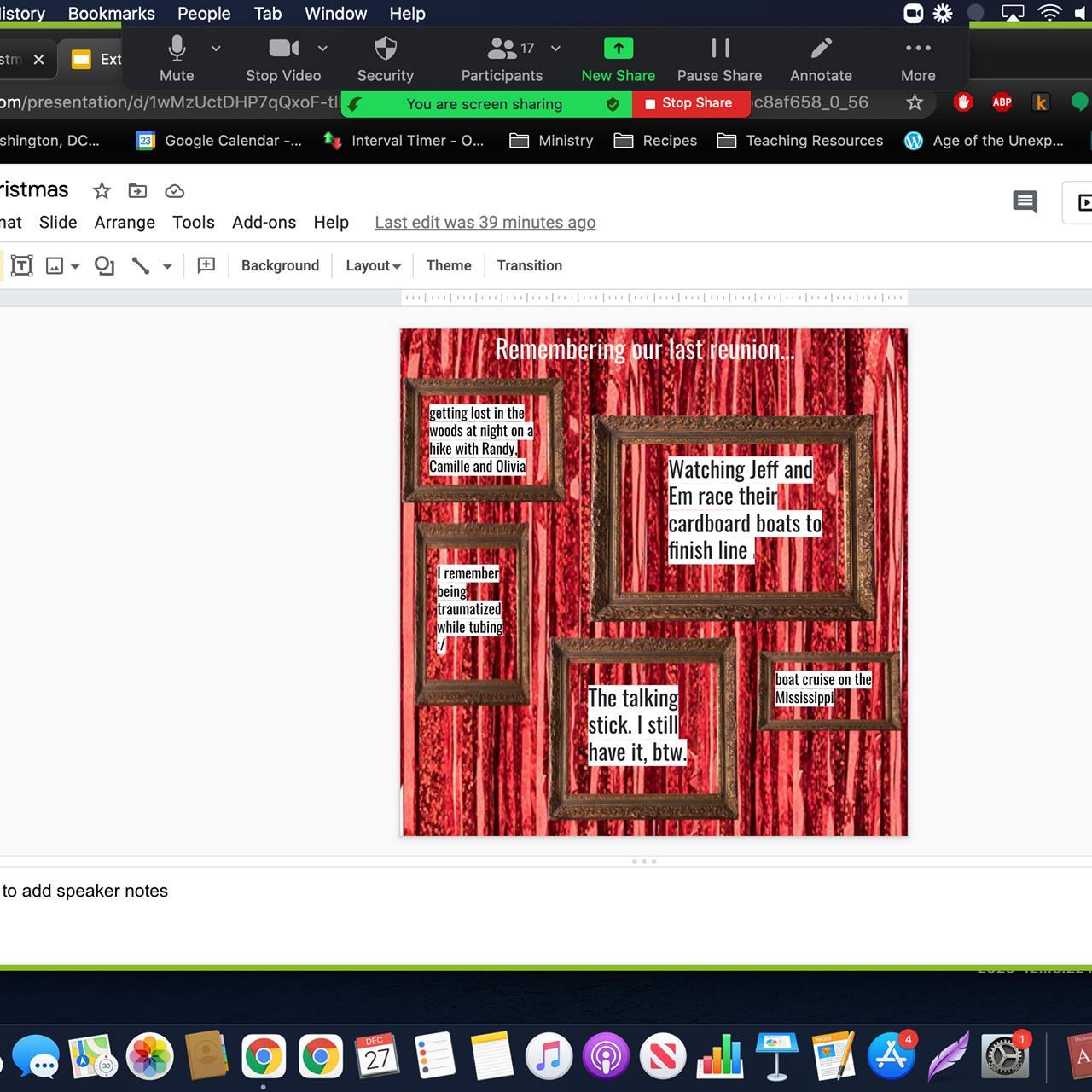
  • Successfully planning, organizing, and facilitating a Christmas Zoom family Reunion with my Dad’s extended family (our first in 8 years!!!)
  • Dreaming about visiting the Southwest
  • New friends
  • Reviewing my budget and feeling proud of my decisions these past five years
  • New culinary feats: learning how to sear scallops, sizzle skirt steak, strain cactus fruit into popsicles, use chiles in adobo, braise potatoes in soy, and blanch kale into salads

What I’m Praying For

This month, my students started a project focused on 1) interceding for the needs of different nations 2) studying their cultures. As I introduce the concept of religious persecution with students and challenge them to write their own prayers for these countries, please pray that God will give them a passion for intercession.

How you can pray for me

  • That God will shuffle my schedule in the right ways for me to be able to enjoy the process of writing my Contextual Study paper (January-March), taking the Legal Issues in Education course (April-May), starting course readings for my seminary’s Summer Intensive in April
  • That God would provide means for me to attend the Association of International Christian Schools Flourishing Schools conference in Dallas (June 16-18th)
  • That God would continue to increase my hope and reveal his plans for me for this coming year

Here’s to a joyful, hopeful, powerful 2021!

Take care,

Haley
Virtual Intervention, Enrichment, and a Creative Writing Challenge: 3 Projects to Increase Student Learning in November

It goes without saying that the 2020-2021 school year has been a year like no other. Before I met with students’ parents this Friday for our first Parent Teacher Conferences, I wanted to create several virtual activities that 1) students were motivated to complete, 2) could be accessible throughout the year no matter whether students are at home or at school, 3) maintained skills students’ likely would not practice AS MUCH during distance learning.

What sort of skills are most at risk of being lost? From what I’ve seen so far, opportunities for speaking, listening, and writing have been hardest hit by the transition online. Many children have much less need to practice handwriting due to the abundance of assignments on computers and tablets. Similarly, students have much fewer opportunities to participate in discussions or storytelling. To address present speaking and listening standards, teachers like myself can use Zoom Breakout rooms to foster discussion with older students, or can implement speaking and listening opportunities while blended learning students eat lunch (we love telling stories popcorn-style or listening and summarizing books or scripture). BUT, as the effects of less in person class time begin to snowball (especially for at risk students), I’ve had to devote more class time to addressing student misunderstandings in math or literacy, instead of in person instruction focused on maintaining students’ writing and handwriting.

Monthly Creative Writing Challenge

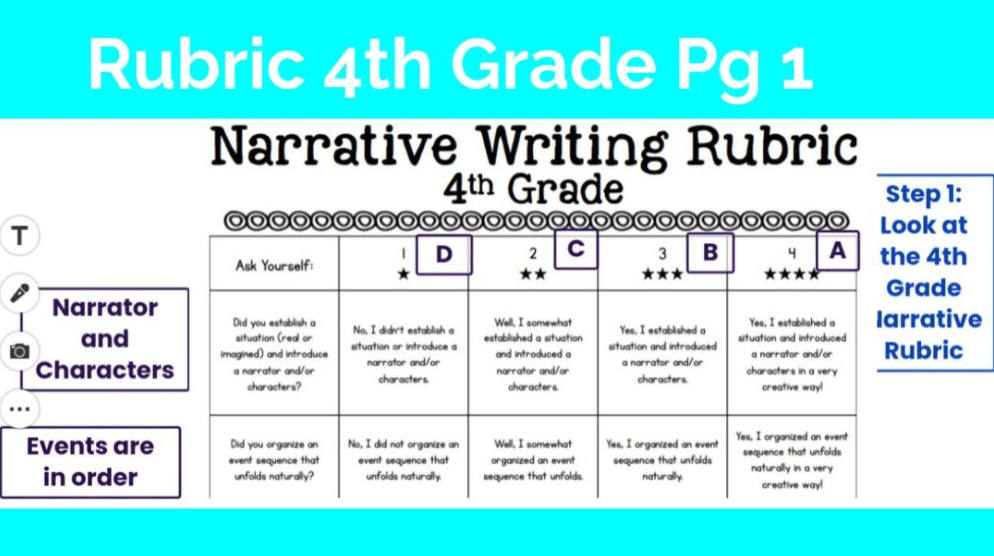
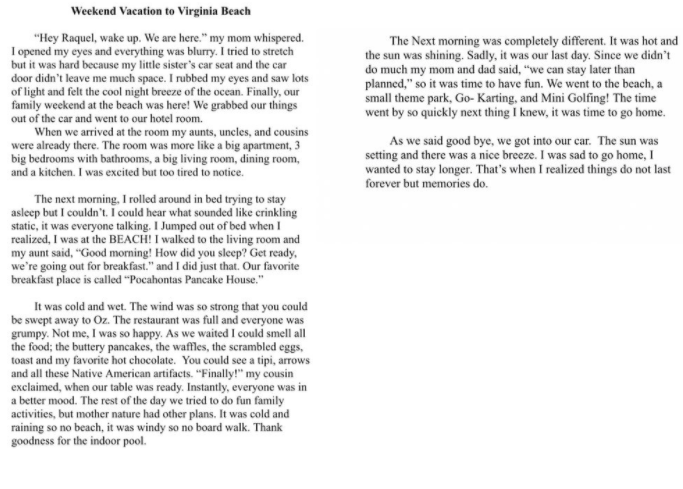
In September and October, students showed me without a doubt that with sufficient support, they could produce creative writing pieces even at home. After nearly a month of mini-lessons, digital activities, and rubrics, students were able to draft and publish personal narratives that were relatively comparable to what one might see in other academic years.

At the same time, as I reviewed my 3rd and 4th graders narratives, I noticed some regression in students’ fine motor skills and ability to spell basic sight words (for some children, as basic as “the”). While about one-third of students are struggling to complete assignments, about two-thirds have the ability to practice these important skills. What now?

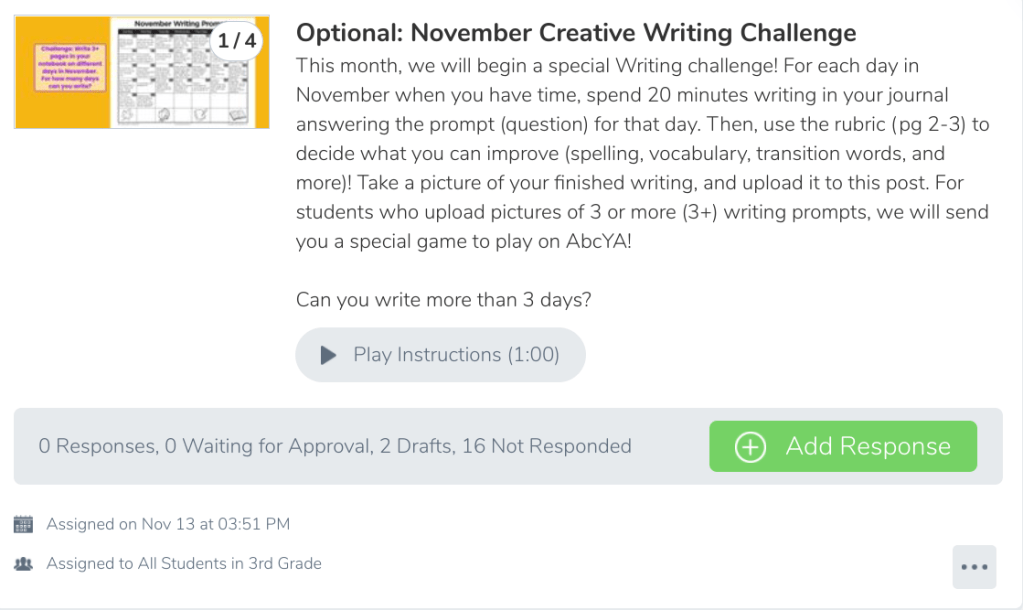
With a little tinkering, I got permission from my co-teachers to introduce an OPTIONAL Monthly Creating Writing Challenge to students! By using monthly Lakeshore Writing prompt calendars, students have the option to practice writing for about 20 minutes a day (thereby not penalizing students who are already struggling with work completion for a variety of reasons). If students submit evidence (pictures of writing in their notebooks) to answer at least 3 prompts, I plan to send them a learning game to play from AbcYA as a reward. I hope to increase the number of writing prompts by 2 each month to keep students on their toes!

“Strengthbuilders” Intervention Games

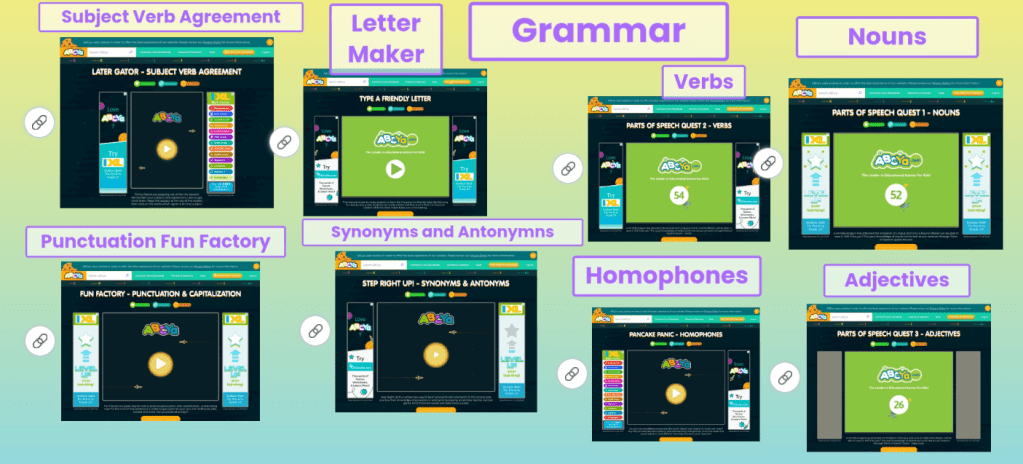
Online learning games (like those of AbcYA) have been my secret weapon this past month. As my third graders memorize their multiplication facts or even differentiate between synonyms and antonyms, I’ve been able to bribe my students to complete their assignments with precision in exchange for links to free games online that address the same standards as I’m teaching. For the sake of balance, I combine the use of online games with hands-on puzzles, stamps, or tactile methods when students are in the classroom.

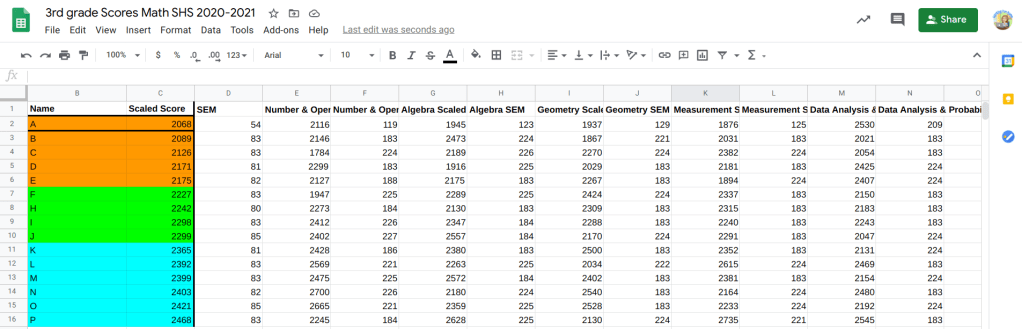
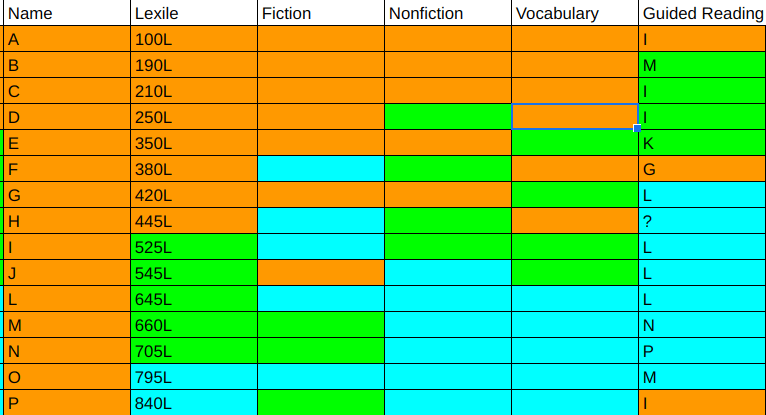
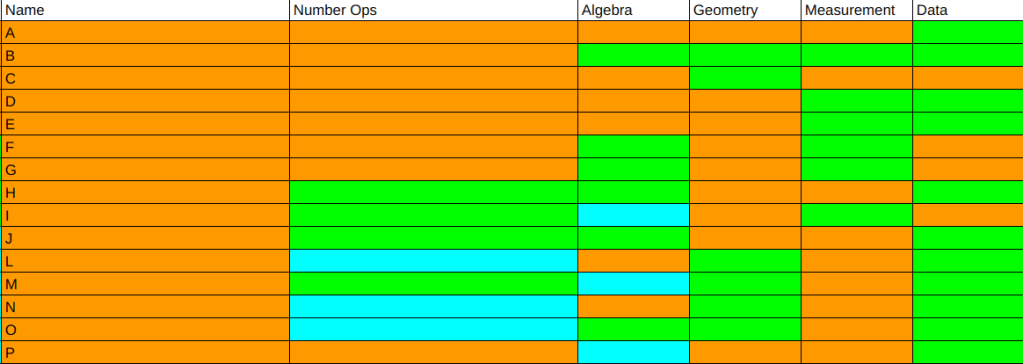
But I’ve found an even better way to use online learning games, one that does not increase the number of learning platforms my co-teacher or I have to monitor! At the beginning of our school year, students at my school took an online standardized test called Scantron over Zoom, with yours truly proctoring. While it’s hard to ascertain the true validity of home results, data is better than no data. Being the spreadsheet nerd that I am, I cajoled my Vice Principal into helping me download large data sets of my 3rd and 4th grade student performance in different literacy and math domains.

Students names changed to protect their privacy.

Once I had organized the information, I color-coded it (blue = high, green = medium, and orange = low) that so that it would be more user friendly.

Finally, the information was ready to use!

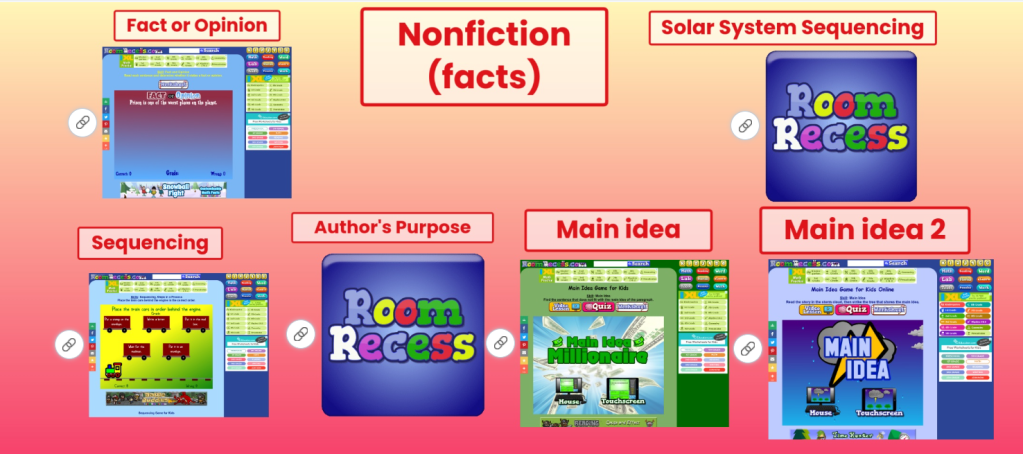
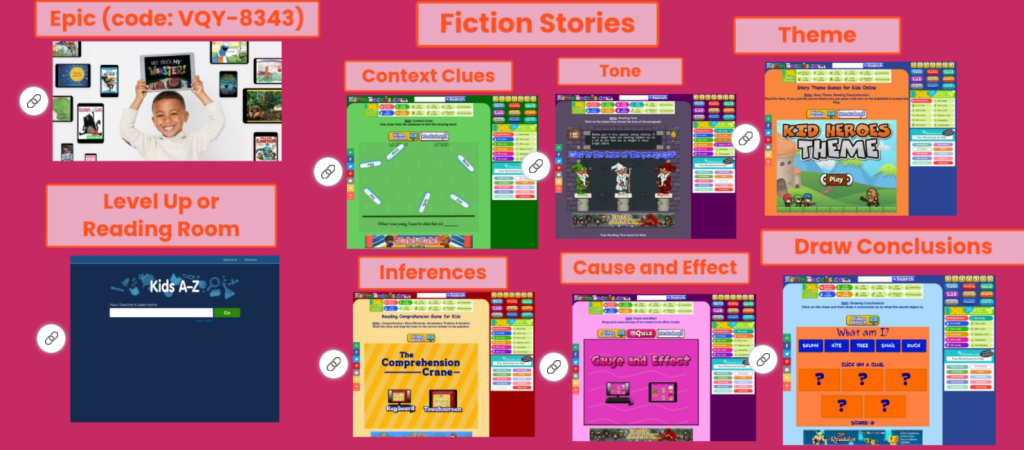
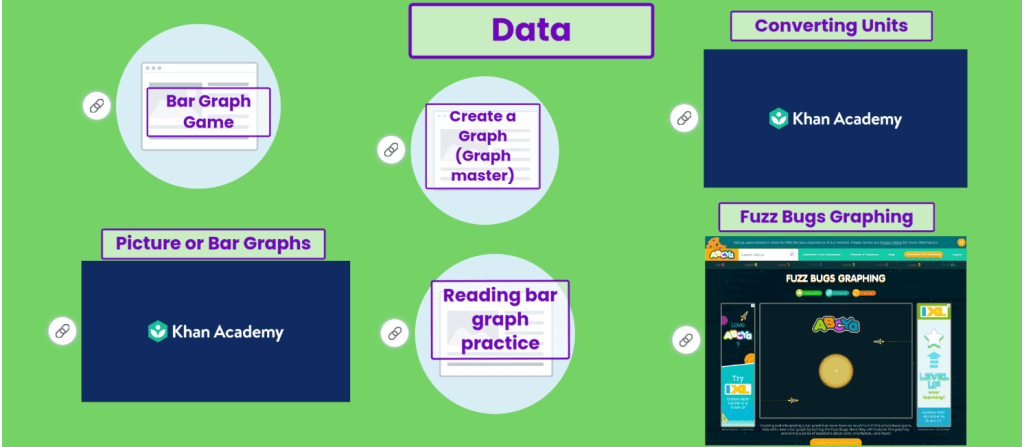
And it’s best use? Intervention! On this Intervention activity I named “Strengthbuilders”, I organized a variety of learning games by subdomain in math or reading. After labeling each students’ activity with the exact subject of games they need to practice, I encouraged students and their parents to use these games to counteract boredom when finishing their assignments early, long weekends, or holiday breaks. My hope is that by providing this tool, students will have tools to keep practicing and reviewing math and literacy skills at their own pace, and regardless of their environment.

Enrichment: Inquiry Projects

Approximately one third of my fourth graders scored above (or nearly above) grade level for both their math and literacy Scantron assessments. Overall, these students contribute to discussions and complete their assignments with few difficulties. As I provide tools to support my struggling learners, I also need to ensure that this group of high-achieving students is challenged.

Thanks to the research students’ did earlier this month for a project on Black Catholic Saint Candidates, students are already familiar with using online search tools. In this Inquiry Project, students will pick a topic and a question to explore over 3 weeks, THEN spend the fourth week developing a powerpoint presentation, a poster, or a paper to explain their findings. I will check in with them for 30 minutes as a group each Friday, and provide feedback weekly to prompt or clarify any details they’ve found. If students successfully complete this first month of Independent Inquiry in December, I’m hoping to move them to Partner Inquiry and Whole Group Inquiry later this year. For now? I’m just asking students to propose a topic, a research question, and two details they’d like to explore, so that they can start the project in earnest before the Thanksgiving holiday break.

Conclusion

Overall, I’m excited to monitor and tweak these 3 projects, especially as I get more feedback from parents. During conferences, conversations with parents led to several new ideas, like creating a rubric for evaluating the validity/moral value of online search content, or collaborating with our school counselors to create a weekly 30-60 minute purely social Zoom call. Be on the lookout for updates regarding these suggestions in the next several weeks! May we find unexpected treasure in the process of designing strong digital learning opportunities for our kids!

Take care,

Haley

October 2020 Monthly Summary

Blended Learning: The kids are back!

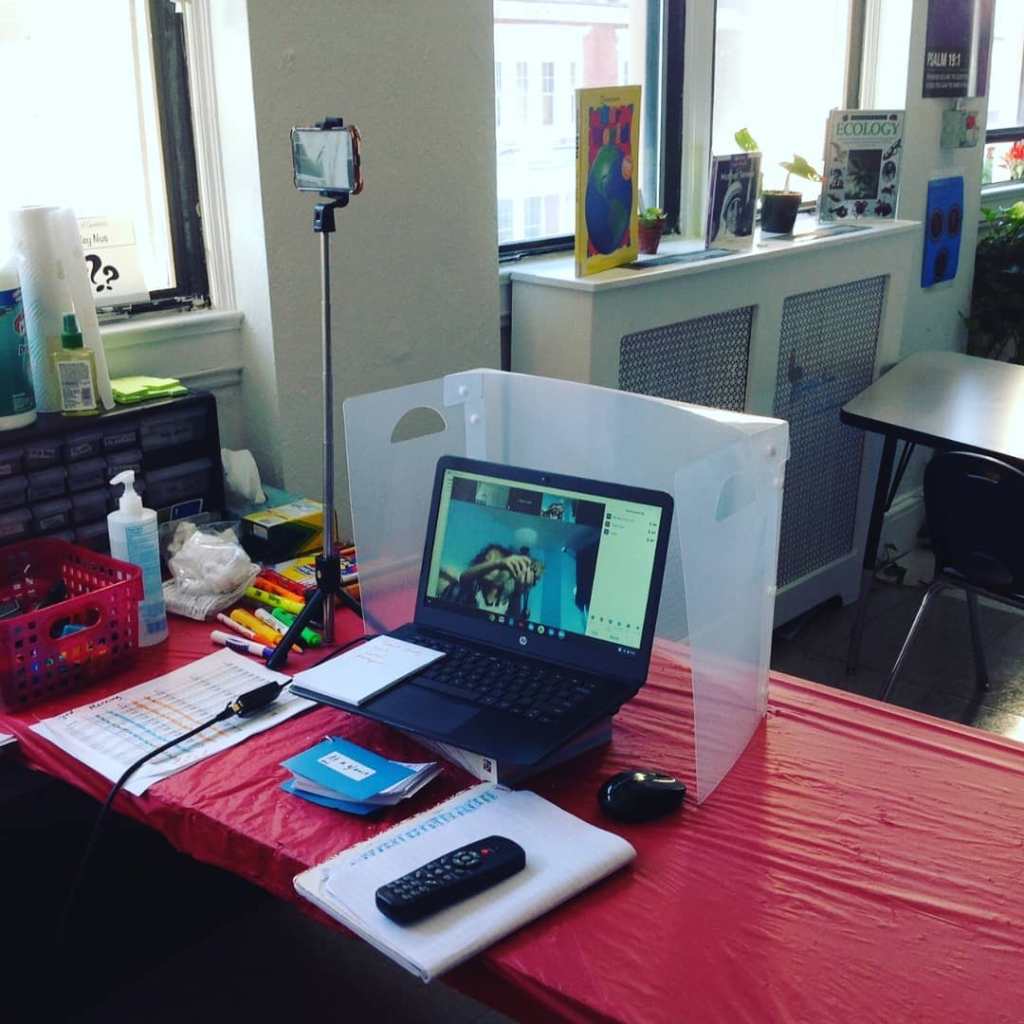
This month, I had the semi-anxious honor of welcoming groups of 4-6 students daily back into the classroom. As I tenuously fed my faith that God would cover my many concerns, I found unexpected grace to multitask managing students in person and virtually. God has also upgraded by tech-savviness as I have learned to use Zoom, a selfie stick, my cell phone, a projector, and a laptop to help my students view one another both at home and in the classroom. Check out more details here.

Contextual Study

For my the research I’m conducting on my school’s history and identity, I got to interview a handful of staff this month! I am looking forward to an interview I have next week with the first African American member of my school, and his wife who he met there. I also found a treasure trove of school pictures from as early as the 1930s, with a suspicious lack of pictures from the 1960s and 1970s (potentially due to racial riots, white flight, or social tension at that time?). The mystery continues.

Trusting God with Finances

When in doubt, make a spreadsheet. Earlier this week, I woke up shaky when it came to trusting God about financial provision for seminary. In order to remember and fan into flame my faith, I made this spreadsheet to remember all that God had done to pay for my education already.

Throughout my undergraduate and graduate degrees, God’s provision in the form of scholarships, work study, living at home to save money (junior/senior years), scholarships for study abroad, an Americorps Education Award, and Tuition reimbursement from my last workplace provided me the chance to go to college without significant debt. As of today, I am on track to pay off my undergraduate and graduate debt in just two years! God knew my financial situation (and that of my family), and he has provided for me.

While it is true that without God’s provision, my Catholic school salary won’t cover the costs of seminary in April (about $5500 yearly), God called me both to enroll at this seminary and to teach at this school. As I begin writing scholarship applications this week, my goal is to continue to remember all that God’s great faithfulness and how he keeps his promises.

Shifting Views on Dating

Over the past 24 months, my thoughts on dating have continue to evolve based on asking more from God, and trusting that he who began a good work in me would bring it to completion. It’s been almost 7 years now since I came to faith in Christ, and as I’ve trusted God more, I’ve come to view others’ sincere, refined faith as the single most important factor for dating and marriage. While we are all made in the image of God, people who have intimacy with God through Christ are the most dynamic, fascinating, and life-giving people I’ve been around. My game plan with dating these days is the absence of a plan, and instead just keeping my eyes open as I follow God and seek his kingdom (Matt. 6:33). From what I can tell, at some point I will meet someone whose sincere love of God (among other lesser factors) causes a mutual attraction from which to build a kingdom marriage.

Pandemic: Food for Thought

  • I notice that with so many people wearing masks, I am less prone to judging people by their appearances. God, deliver us from snap judgments and hidden biases. Help us to see people as you see them.
  • This pandemic has held a mirror to discern our own individual character, the strength of our friendships and romantic relationships, the rapport we have with family, and even the beliefs we have about strangers. God, let this work of discernment only be the beginning of what you are doing in our hearts throughout the globe.
  • I notice that due to fear of infection, people are generally more respectful of others’ personal space on the metro and other close-proximity public spaces. Lord, help us maintain a similar measure of healthy distance from one another emotionally as we head into this month so dominated b the U.S. presidential election. May it result in dignity and Christlike love for people who disagree with us.
  • While I miss some aspects of traditional instruction, I love having more time through distance learning to be creative with technology and strategically target gaps in students’ abilities. Lord, please allow teachers in the U.S. freedom to be engineers of students’ learning in greater measure, and may it result in greater professional dignity and financial equity.
  • I notice that when students are in the classroom just one or two days a week, their behavior is significantly better and we have more patience with one another. We as teachers are less burnt out by the extremes of student behavior, and they as students have more space to practice self-regulation and adapting their behavior to different spaces. At the same time, my students with ADHD have found it much easier to focus on their assignments without the distractions of peers, and ironically have received much more personalized feedback (along with the rest of the class) about their academic and social performance. God, help us use these insights to design more effective and equitable classrooms once the pandemic is over. Give us creativity to design new instructional formats.

Simple Pleasures

  • Teaching my friend Emily about different plants in Rock Creek Park
  • Connecting with a woman at a No More Wounds Free Laundry day, and asking her to pray for me as I prayed with her
  • Making dolmades (stuffed grape leaves) with another friend, and affordable finding gluten free brownie mix to celebrate her birthday
  • Decorating my house for Christmas early!

What I’m Praying For

That the righteousness of Christ would define my generation, my students, and the next decades of United States politics.

How you can pray for me

Please pray for favor for scholarships, wisdom for the many changes of this school year, and joyful growth in my relationships with friends and family.

Until next time,

Haley
Design a site like this with WordPress.com
Get started