Teaching Unconditional Surrender: Worshipping God through Mary’s historical context and Magnificat Prayer

As a Protestant teaching in a Catholic education setting, I led students last May into a topic that should be valuable to Christians of all denominations: a historical understanding of Mary. While Mary is widely known as the mother of Jesus and as a symbol of someone who radically trusted God, most people have little awareness of the cultural conditions in which Mary lived. By encountering more of Mary’s history, we can recognize Mary’s decision to trust God’s radical plan came in the midst of military occupation, poverty, and marginalization. Without any guarantee of comfort and in spite of oppression, Mary’s experience of trusting God teaches us that our surrender can’t depend on external circumstances.

Through examining and memorizing Mary’s prayer of praise in Luke 1, reflecting on religious art, and imagining how Mary’s story connects to the present day, students were able to imagine how they might worship God in all conditions.

Exploring Mary’s Historical Context

In order to understand Mary more fully, students began by listening to me read an article called The Historical Mary Article in America (Jesuit) Magazine. As we parsed the details of the article together, students were surprised by Mary’s age, the probable harshness of her chores as a Hebrew woman in first century Nazareth, the linguistic diversity of the region in which she lived, and even the likely poverty her family faced through excessive taxation.

Source: America Magazine

Memorizing Scripture

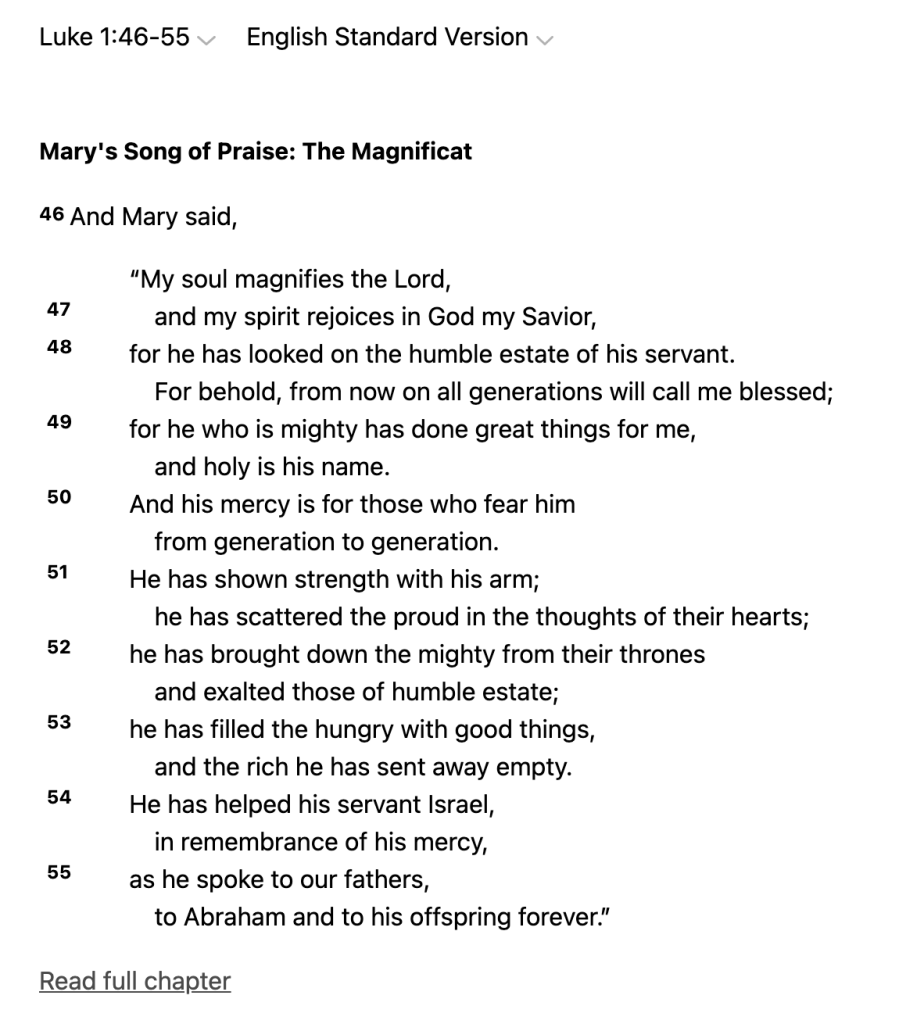
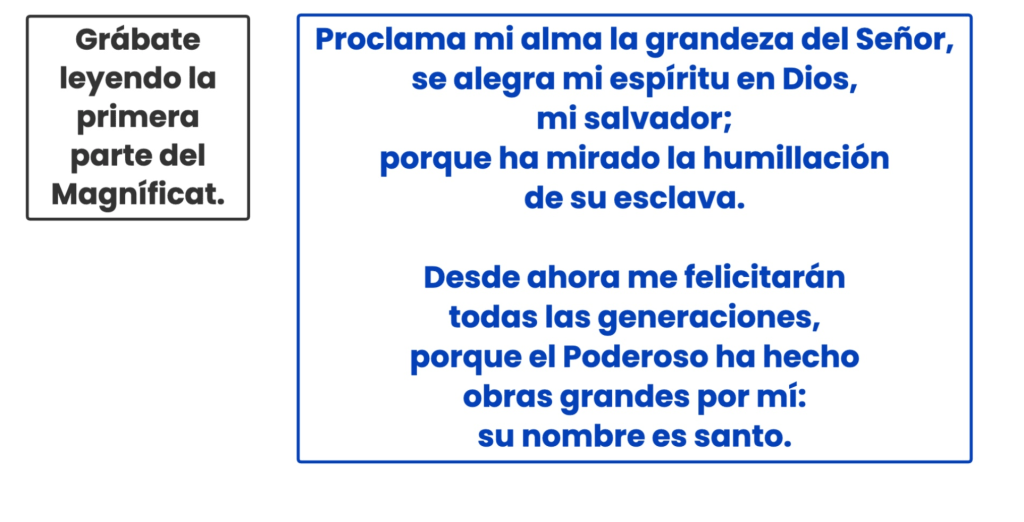
Over the month of May, students memorized Mary’s Luke 1 prayer, “The Magnificat” in English and in Spanish. Each day, students would read and attempt to recite as much of the prayer as possible. By breaking the prayer into three sections related to praise (verses 1:46-49), God’s merciful justice (1:50-53) and God’s faithfulness (verses 1:54-55), students memorized several lines each week. Then on week four, students were challenged to record themselves reciting as much of the prayer as possible by memory.
Check out this video I made for students about memorization strategies! To my surprise, the majority of students loved the challenge of memorization, although not all were ambitious enough to memorize the prayer in its entirety. One of my favorite times of day was when students recorded themselves reading the Magnificat all at once. I loved the sound of their overlapping voices, with differences in tone and pitch more closely resembling yeshiva students than a chicken coop.

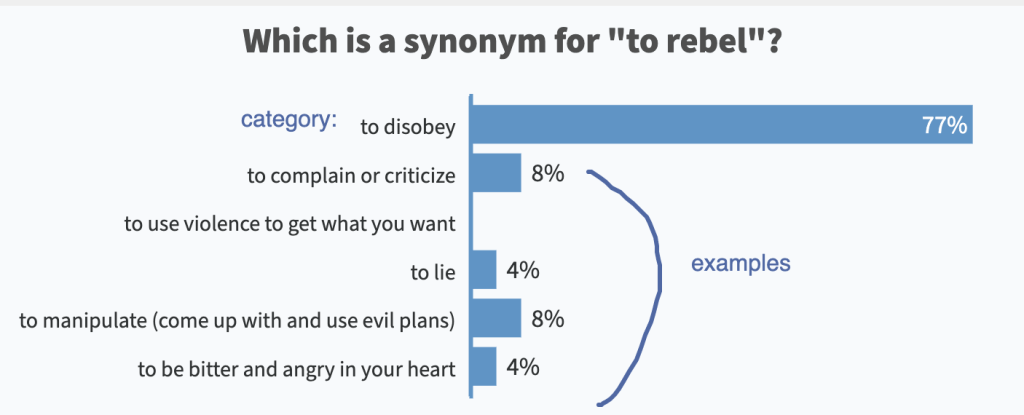
By examining the meaning of words like “magnifies”, “fear”, “proud”, “humble”, and “servant”, students were able to learn more about God’s goodness and his justice. Through other activities, students also learned about the concept of fear of the Lord and how obedience differs from rebellion.
Examining Art

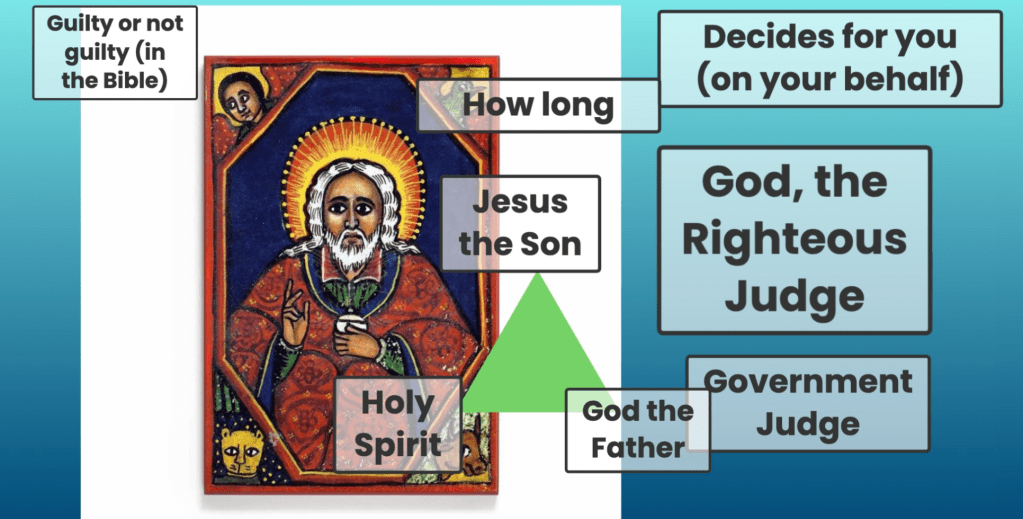
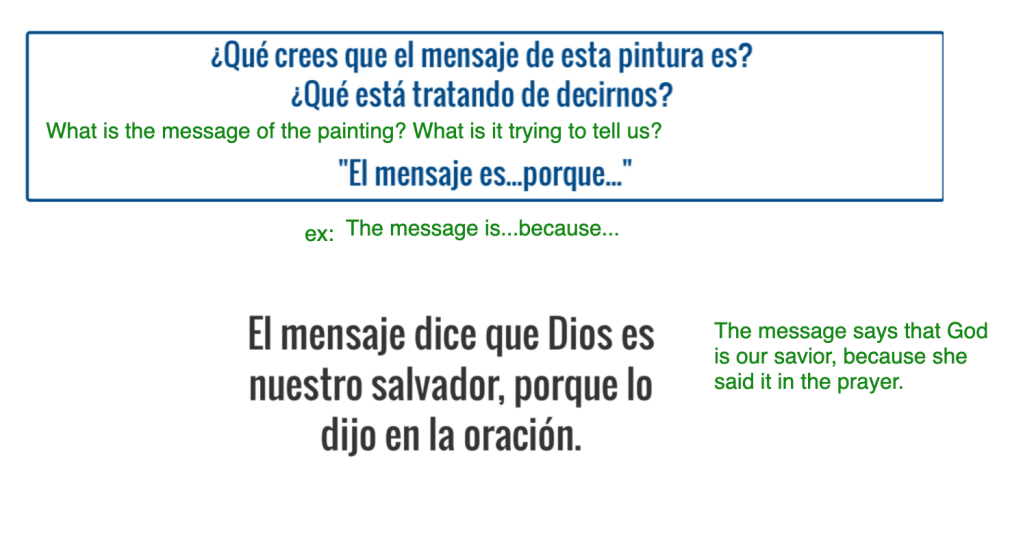
Through a 5 by 2 thinking routine, students examined the colors and symbolism in this piece by Jenn Norton. By considering what the painting could mean before and after receiving background information, students were able to draw connections between how Mary’s emotions are displayed and themes like peace or courage. While this painting frame’s Mary’s act of surrender as a more tranquil, passive kind of acquiescence, it was interesting to consider how God’s peace might have transformed Mary’s experience of pregnancy during uncertainty.

1. Pretty 2. Full of colors 3. Calming 4. Peace 5. Happy

Student Reflections

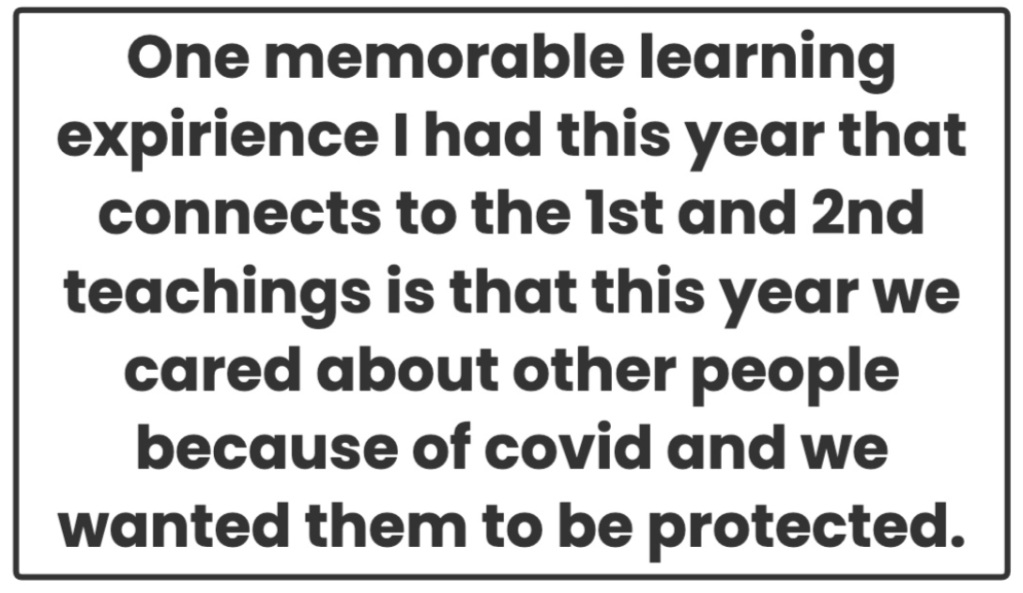
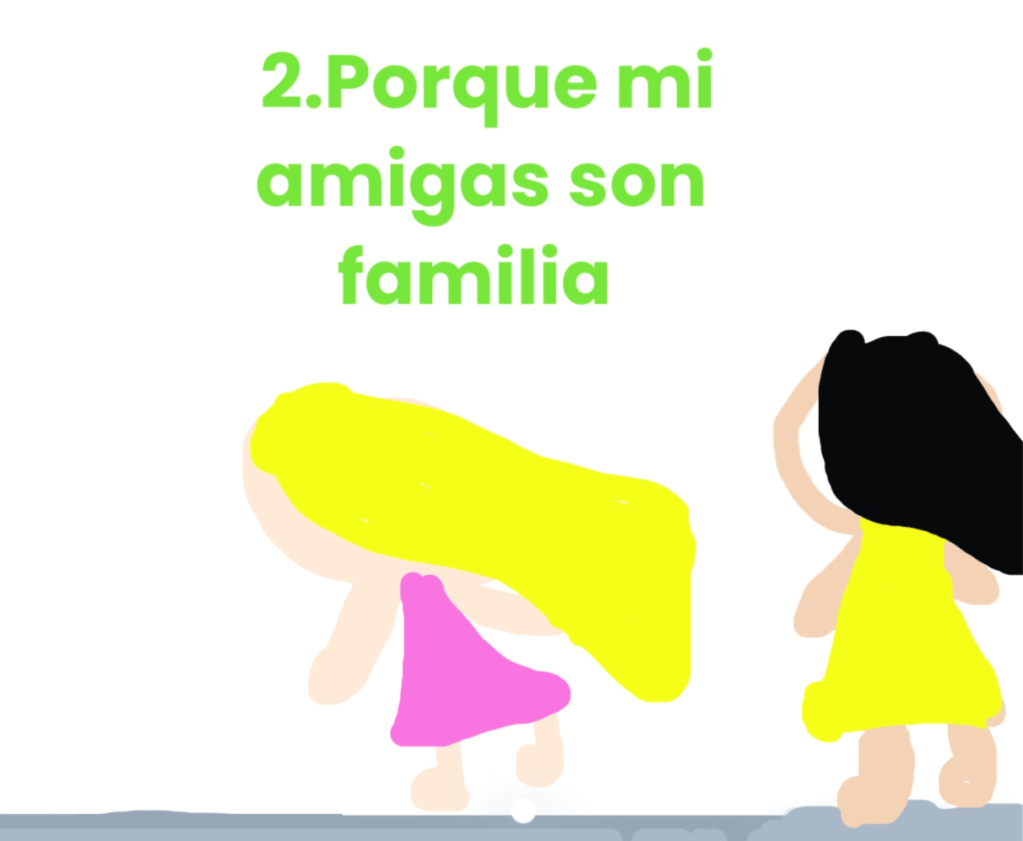
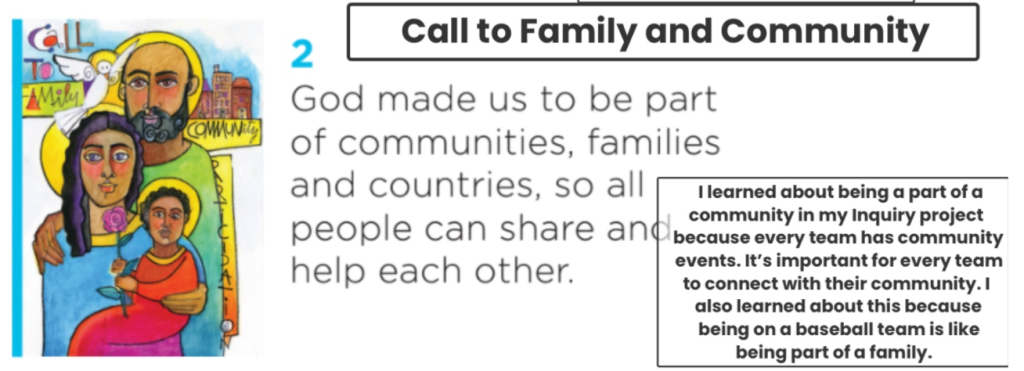
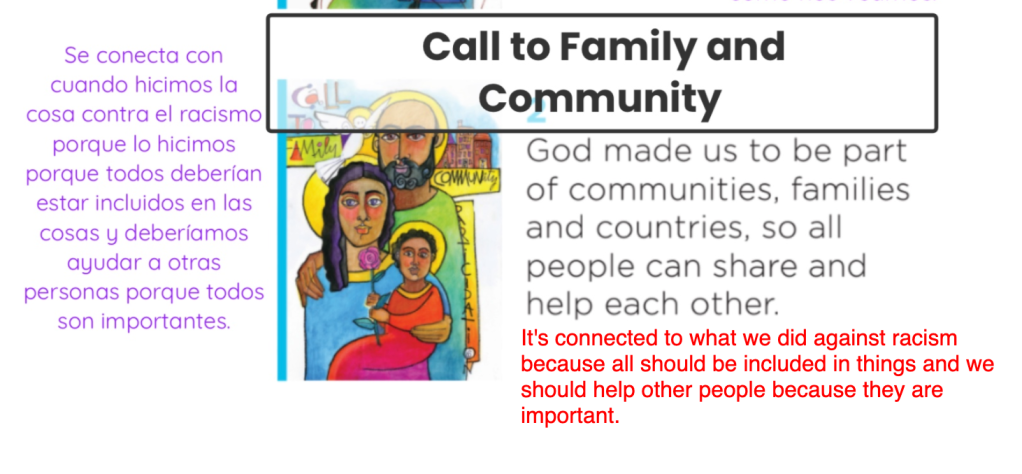
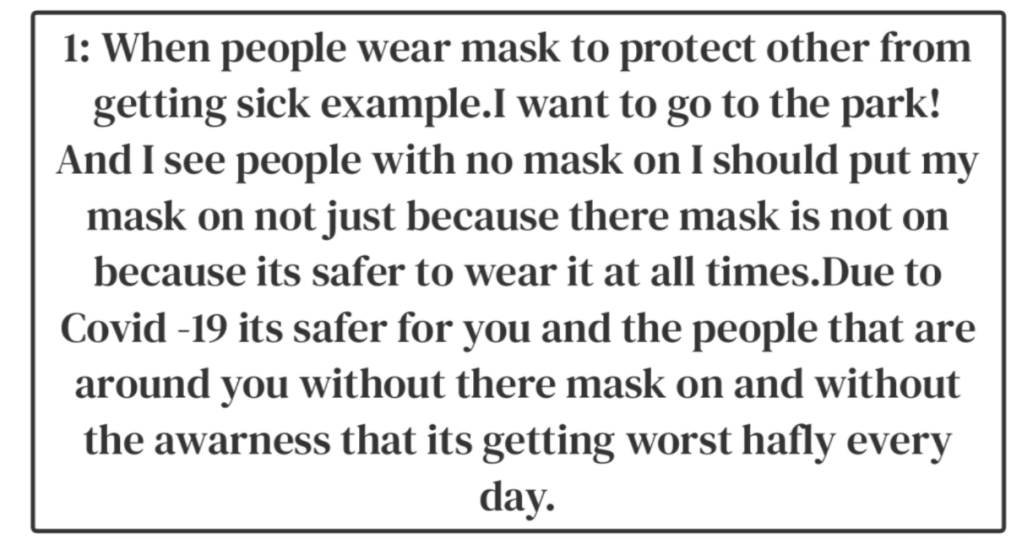
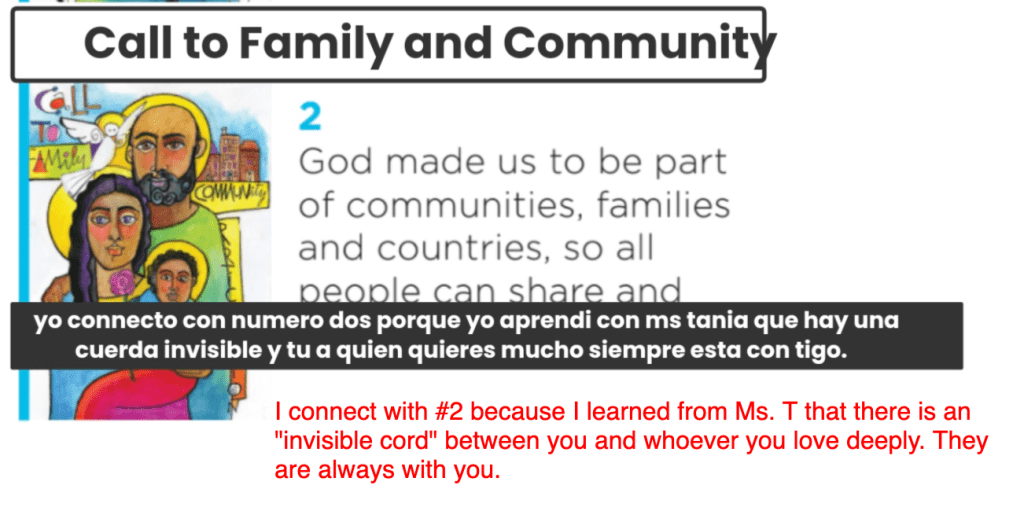
Later in June, students were able to reflect on their most valuable learning experiences from the year, through the lens of Catholic Social teaching (check that out here). In reflecting about Christians’ call towards family and Community, a student reflected on how the Magnificat taught her to view Mary like “all mothers”: as someone who lives a life of sacrifice. As families ended a school year unlike any other, it was lovely to see how this student was able to honor her mother and other mothers by acknowledging the difficult task of motherhood.

Conclusion

Overall, my students’ interest in memorization, curiosity for history, and sense of solidarity with Mary through their own experiences of sacrifice, poverty, or marginalization gave this project a special resonance. I look forward to extending this project in the Spring so that students will be able to find other examples of Christians or Catholics trusting God through unknown and uncomfortable times. In order to develop a faith that overcomes our circumstances and allows God’s light to shine in absolute darkness, we can look to Mary as an older sister who knows what it’s like to trust God.
July 2021 Monthly Summary

Last month, I was inundated by God’s kindness, generosity, and nurture. Today I am flying out to visit family in the Pacific Northwest for several weeks, but not without first celebrating the goodness of God.
Simple Pleasures

  • Spending time in the pool
  • Spending time near the creek
  • Weaving flower crowns out of Texas hill country wildflowers
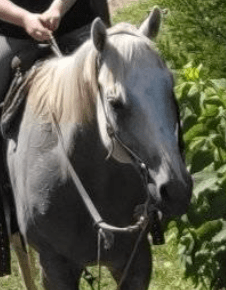
Exploring Hill country on horseback (view from my friend’s horse)
The horse I got to ride 🙂
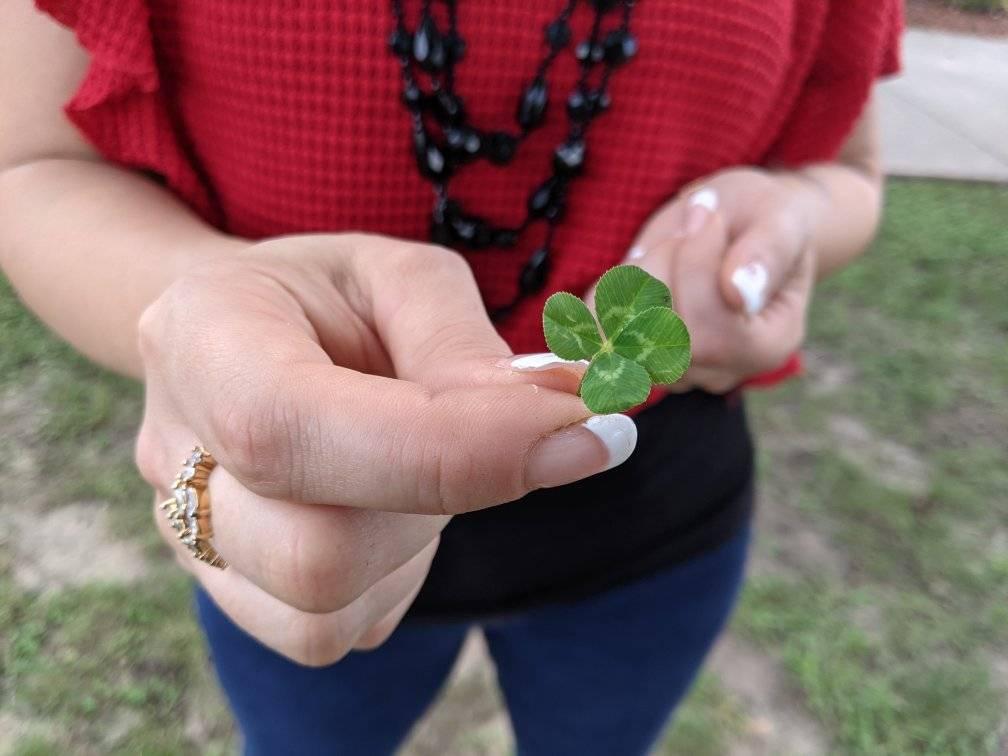
In one of the only patches we found in Southern, Texas, my friend got an impartation to find a four leaf clover on her own! Celebrating the faithfulness of God.
Exploring the Coming King Foundation’s Prayer garden
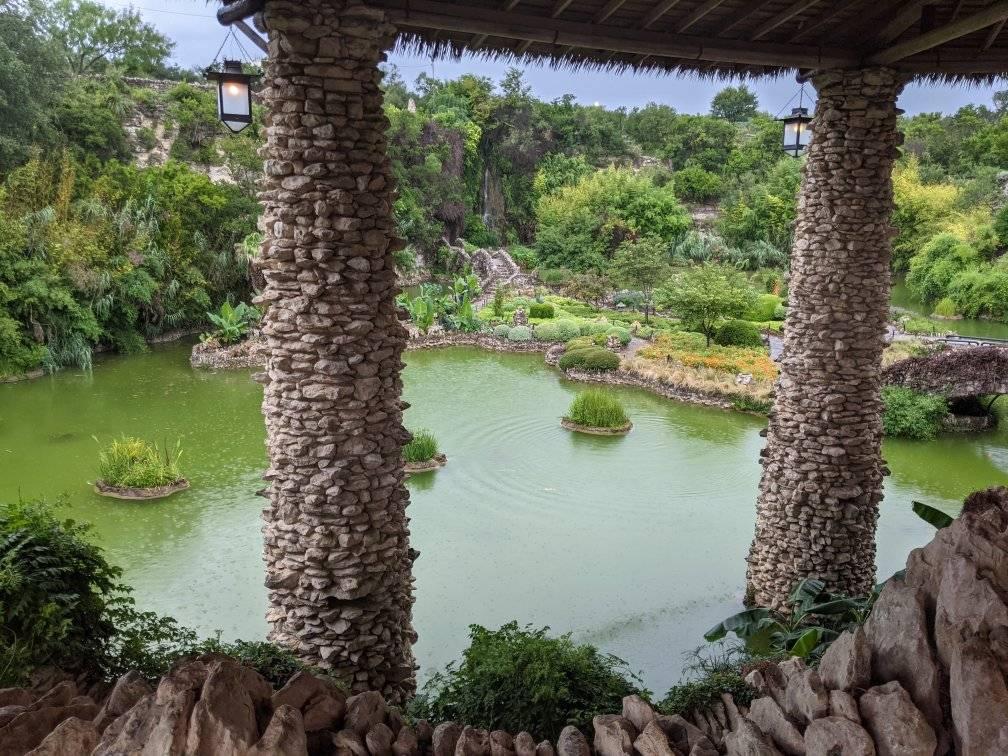
Exploring the Japanese Tea Garden in San Antonio
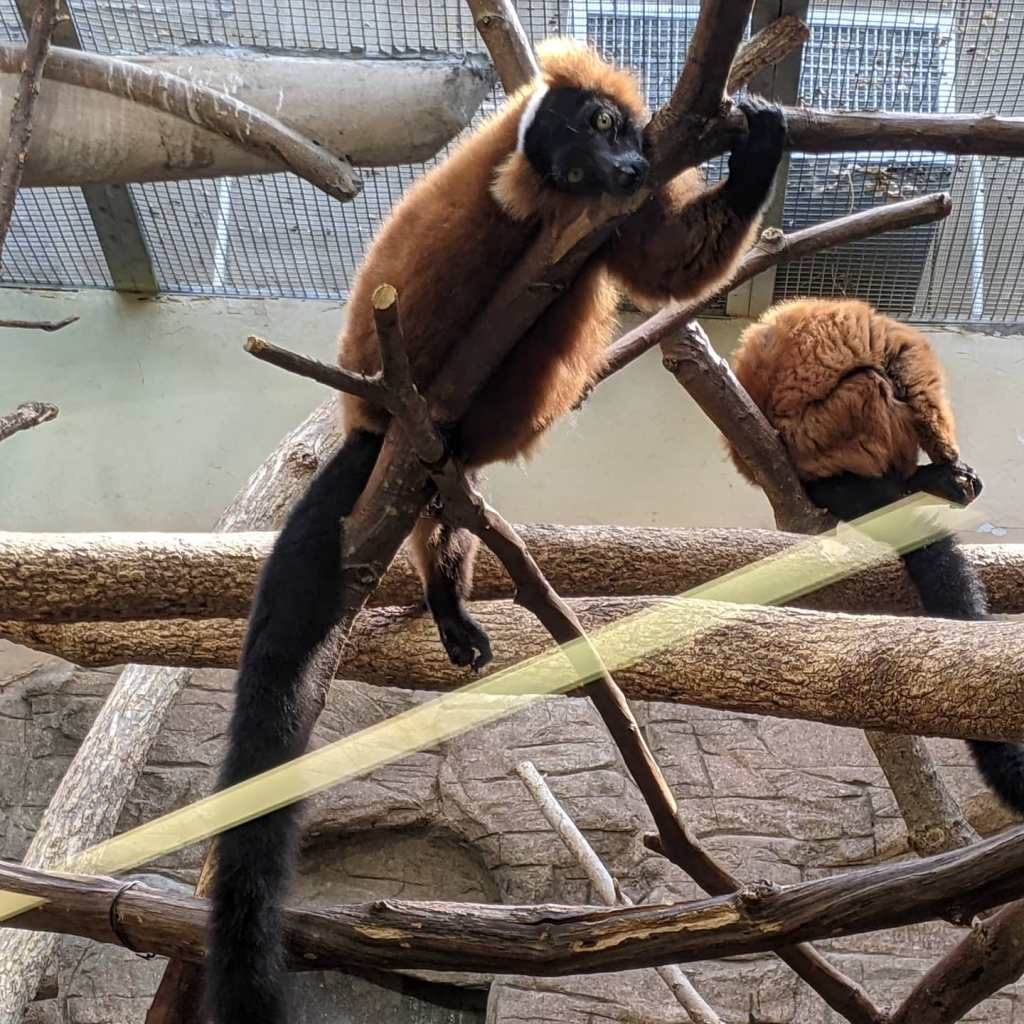
Celebrating my otter friends the National Zoo with family friends and kiddos from church!
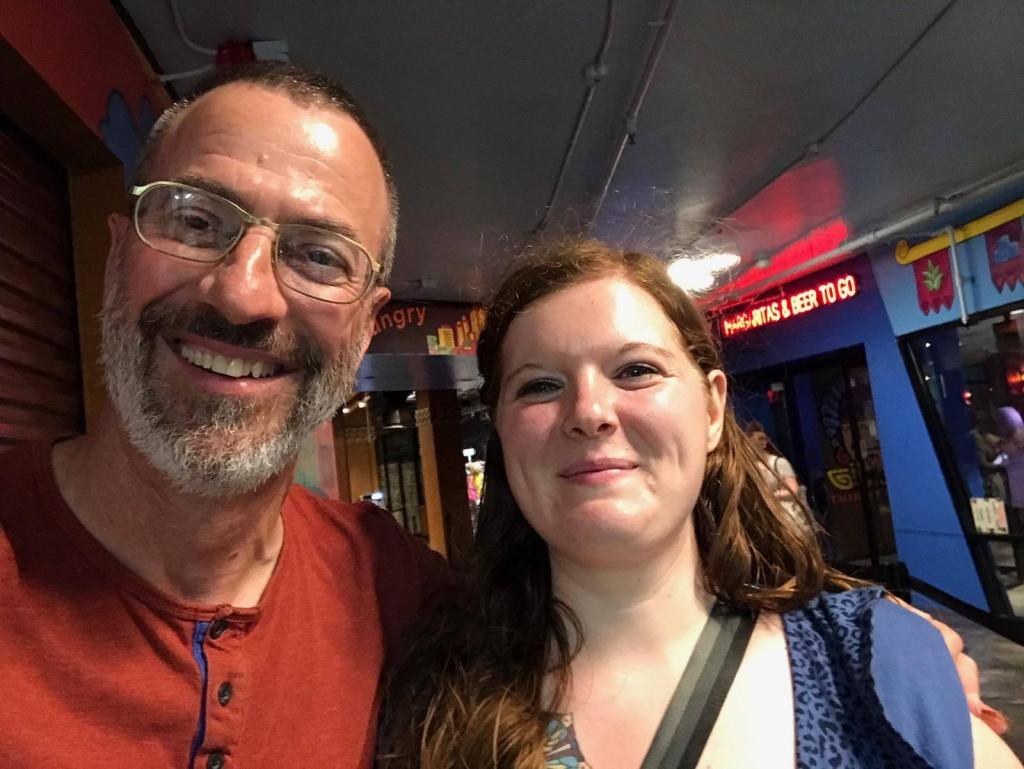
Reconnecting with my step dad

Done for the Semester for Seminary

I am beyond thrilled to have submitted my final summer assignments for seminary! In order to stay on track for graduation during COVID, my program had me take 3 2-credit courses and 3 1-credit courses. In total, this spring and summer I blazed through 9 doctorate credits. I’m tired, but satisfied in the way I incorporated my interests into the tidal wave of assignments. Because I did my contextual study early, I will be able to rest easy in just doing case studies and book summaries until next April.

Some themes I explored this summer:

  • Remembering and Receiving Dignity through the Bible: Solidarity in Lament
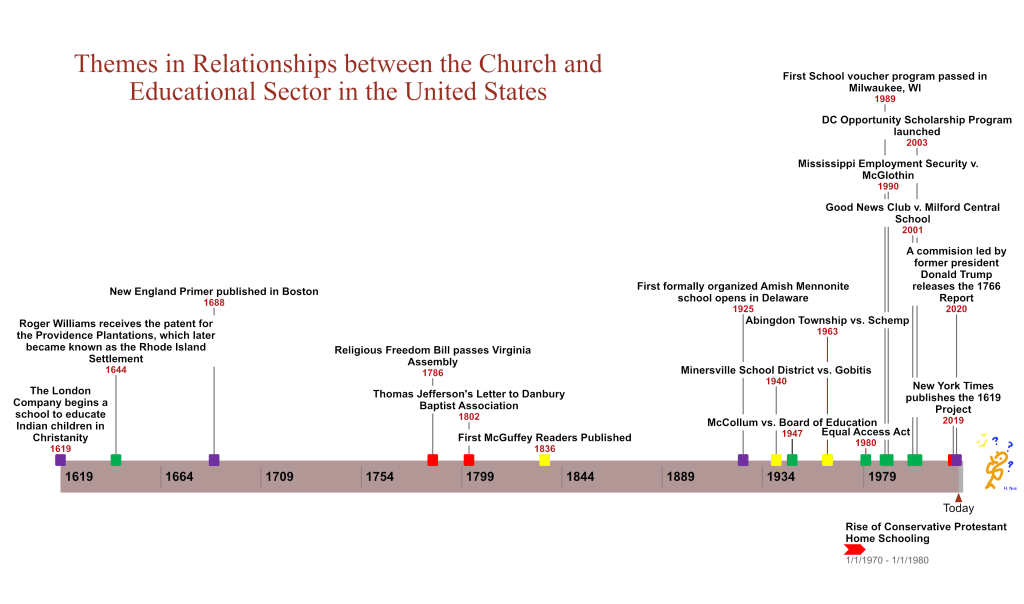
  • Analyzing American History: Modeling Four Styles of Relationship between the Church and Educational Sector in the United States
  • Towards a Theology of Sustainable and Transformational Leadership

Reflecting on Last School year

As we look ahead to the shape of August, I’ve been reflecting on the reopening process at my school from last school year. Being able to depict the many changes of the last school year was very useful in trying to articulate my 2020-2021 experience.

Spirit-led Question Trails

  • When we think about theologians and world leaders who have died, we often remember them for their personality quirks and failings on earth. But given that many are with Jesus now, we should really be thinking of them in their fully redeemed states. I wonder what a fully redeemed Kierkegaard would be like? I hope he has the kind of joy and freedom he never got on earth.
  • What would it look like for humans to use their understanding of agriculture, animal husbandry, and domestication to shape popular opinion about endangered animals? Could temporary domestication help change popular opinion so that endangered species can grow and then be reintroduced to their native habitats?
  • Importing invasive species is it’s own kind of colonialism
  • Like the wild horses of the plains and American Southwest, what other animals and plants did God use to help create the ecosystems that would eventually support humans? How can we honor the contributions these animals have made by reintroducing some to their ancient environments and adding value to the lives of the ones who nearly invisibly serve us?

Celebrating an Agrarian reading of the Bible

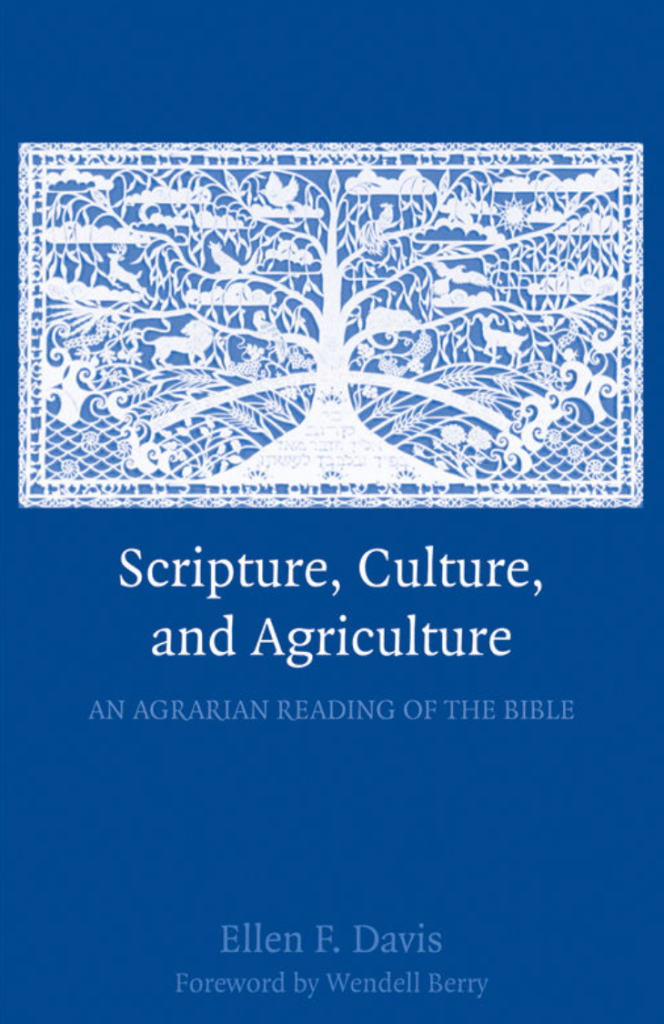
Ellen Davis’ book on the Song of Songs has resonated with me on such a deep level. I can’t honestly say that any book on theology or philosophy has so adequately represented my community and family’s agricultural perspective. Reading this book has been a healing experience for me, since as someone from a semi-rural community, I have seldom felt like my identity has been represented by the academy.

With hope and joy,

Haley

Remembering our Year: Connections to Catholic Social Teaching

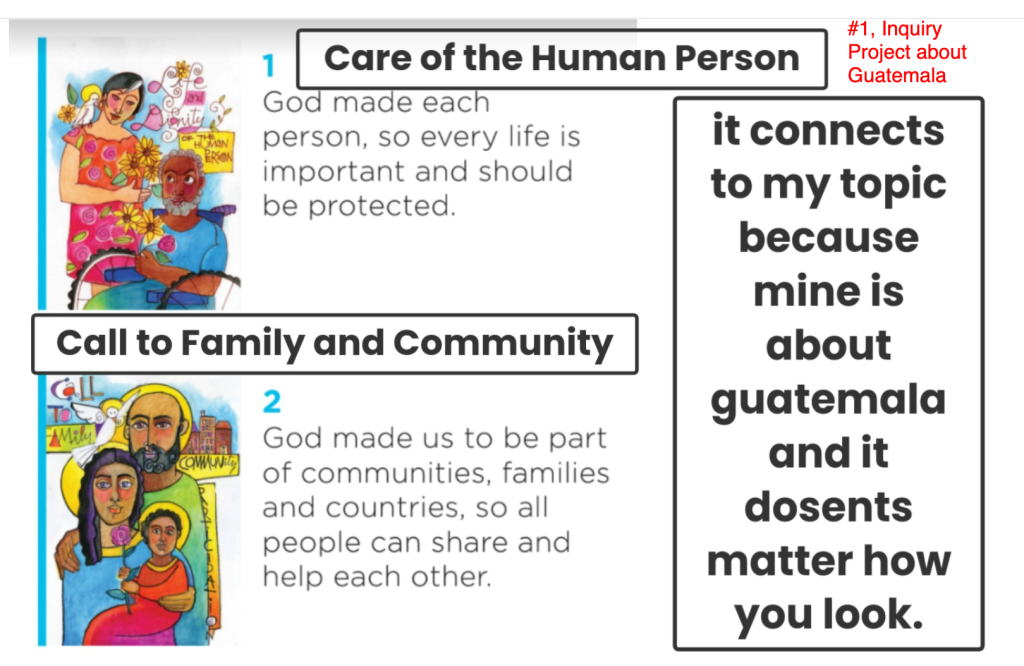
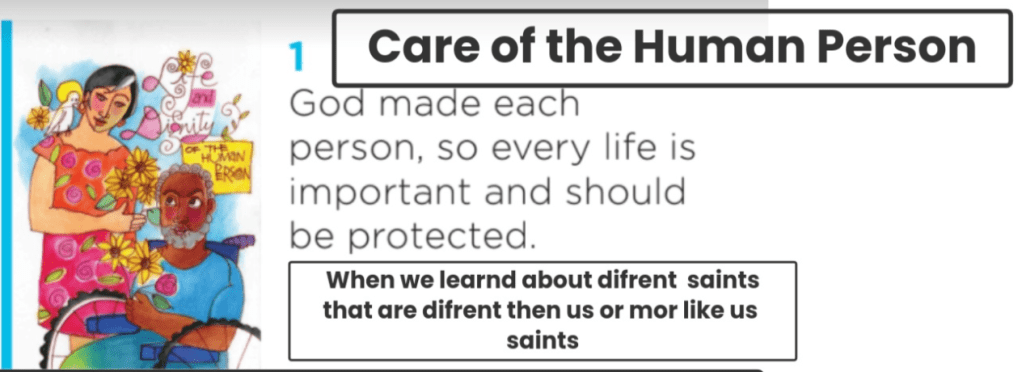
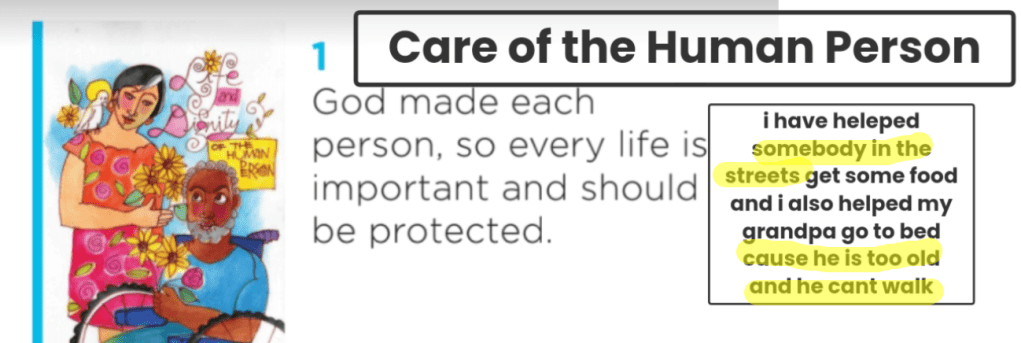
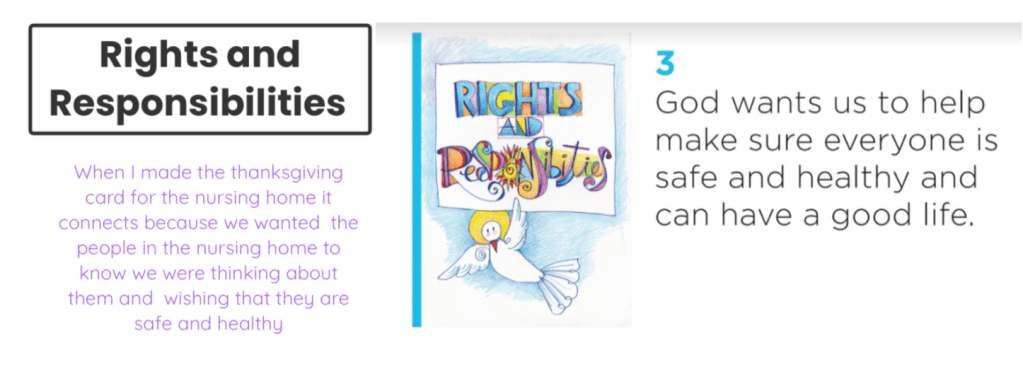
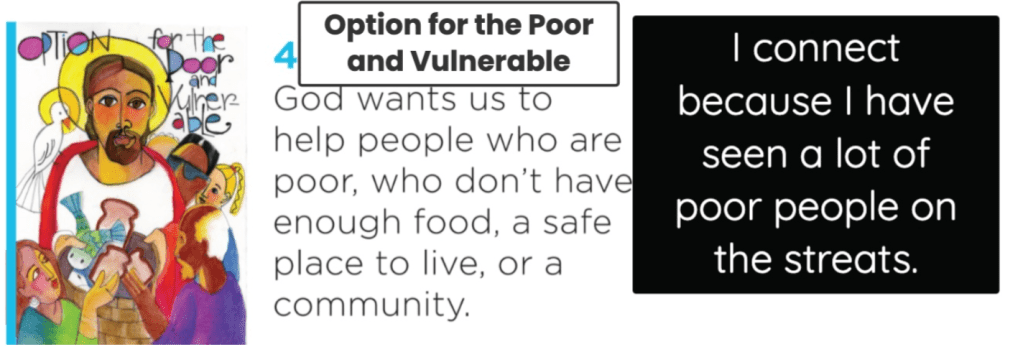
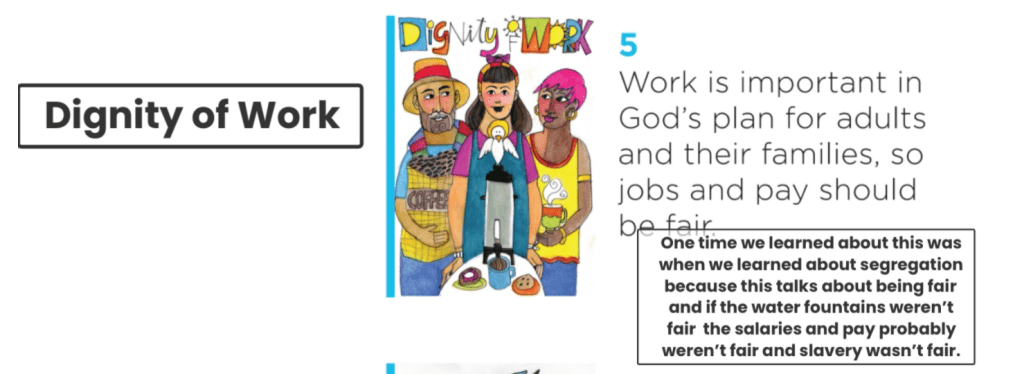
The Artist whose work appears on these posters is Brother Mickey McGrath. Check out his work here!

Earlier this year, I happened to read a book called, “The Bible and the Believer”, ecumenically written by Peter Enns (Protestant), Daniel J Harrington (Catholic), and Mark Zvi Brettler (Jewish). In this book, the authors discuss key differences and similarities in ways each of their respective groups relate to the text of the bible.

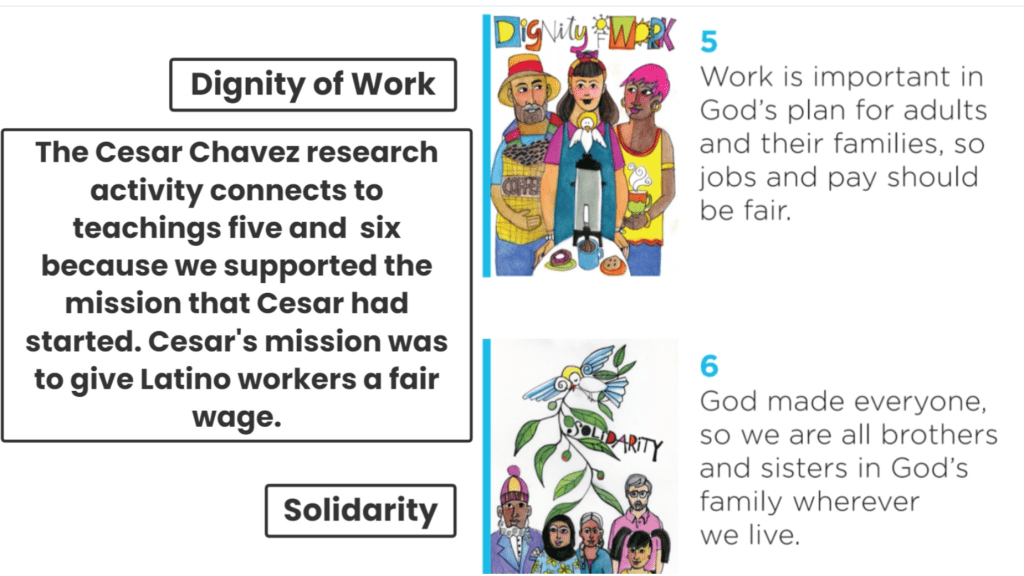
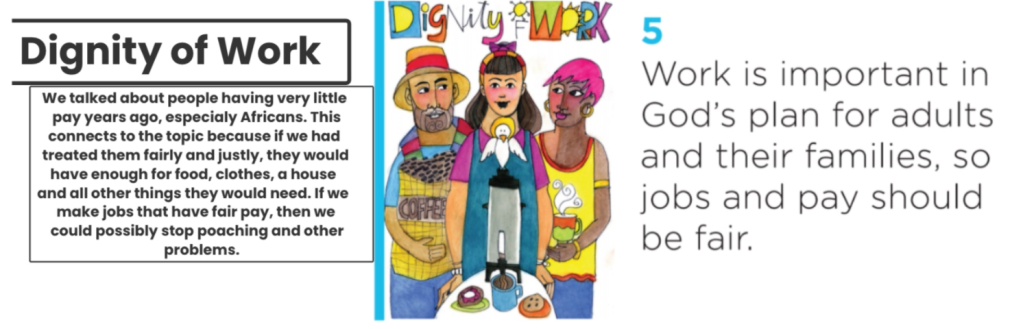
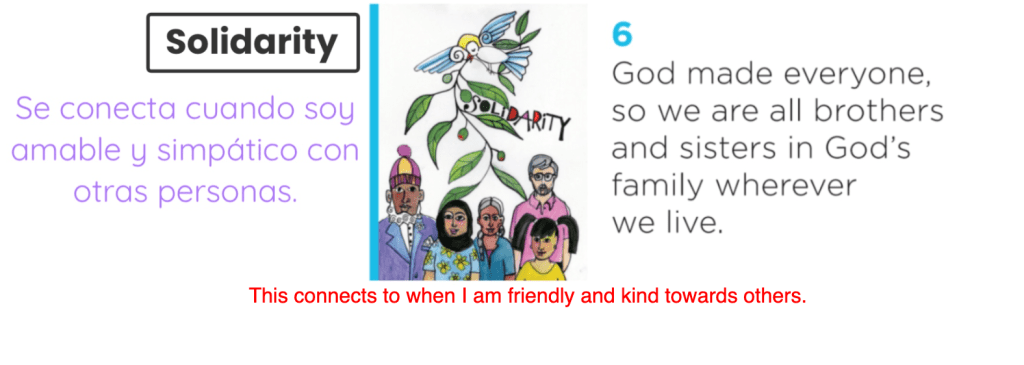
As a Protestant working in a Catholic school, I’ve found every possible reason to agree with Harrington in his claim that “Catholic socio-ethical teaching is one of the world’s best kept secrets” (80). Not only is Catholic socio-ethical teaching easily available for both children and adults, but it summarizes various themes throughout the Old and New Testaments in how Christians should love themselves and their neighbors. This year, I have enjoyed weaving main ideas from Catholic Social Teaching (CST) throughout lessons with students, in addition to anchoring sections of scripture. During our final week of school, students analyzed how these themes intersected the many topics we learned this year.

#1 Care of the Human Person

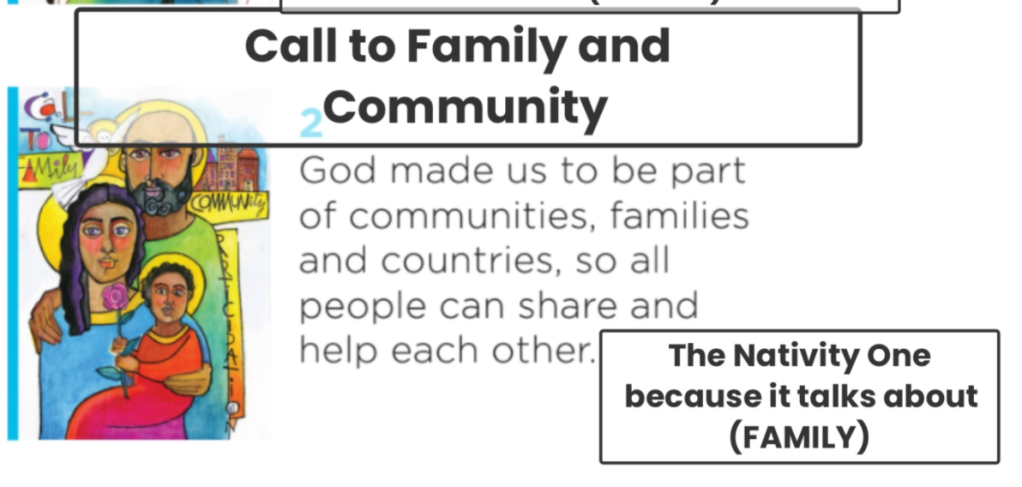
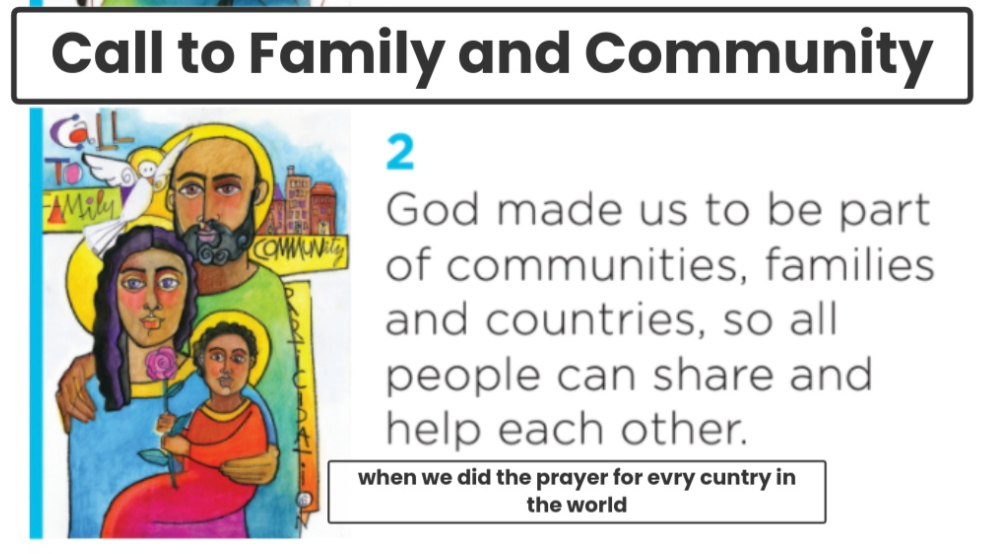
#2 Call to Family and Community

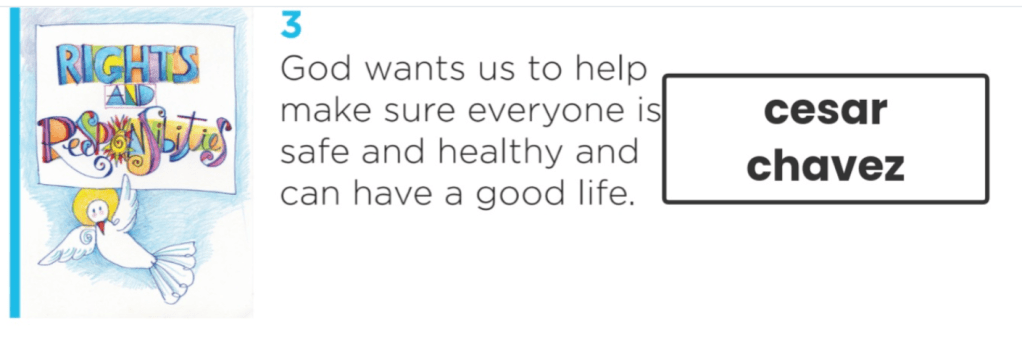
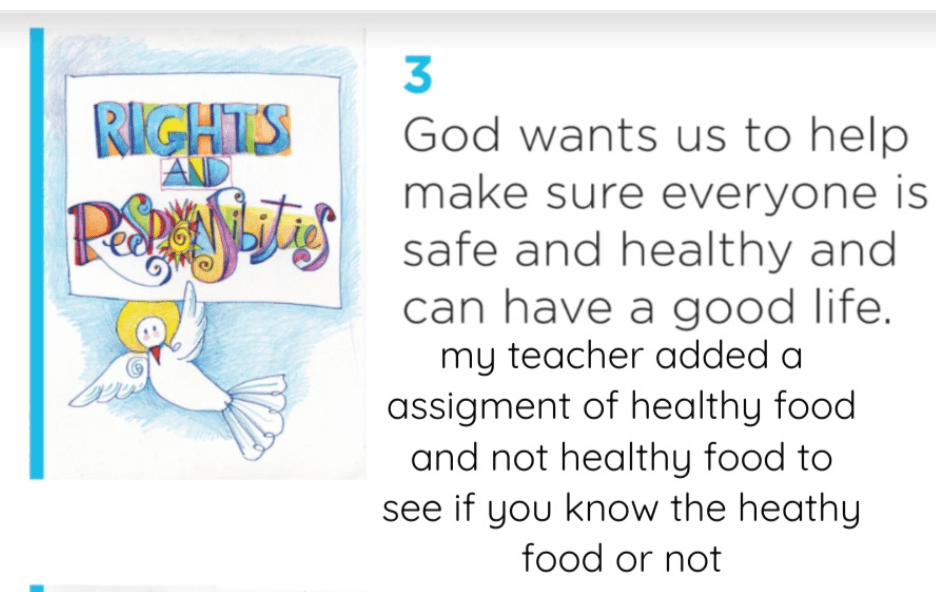
#3 Rights and Responsibilities

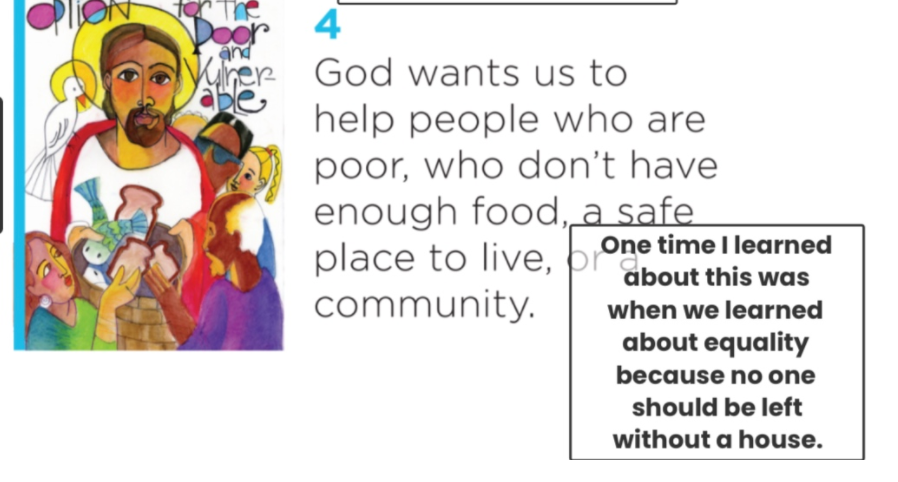
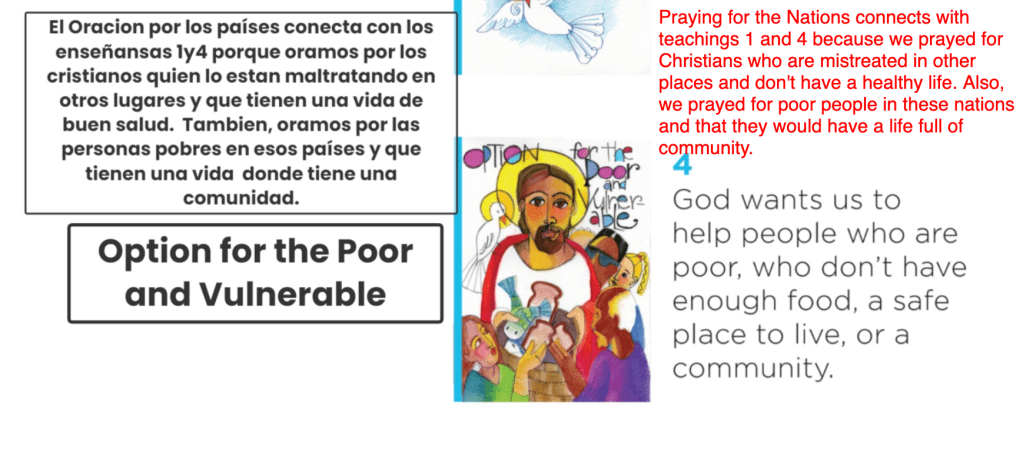
#4 Option for the Poor and Vulnerable

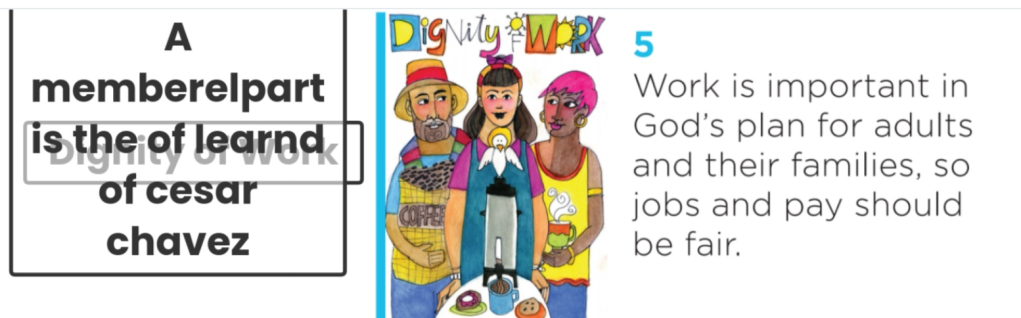
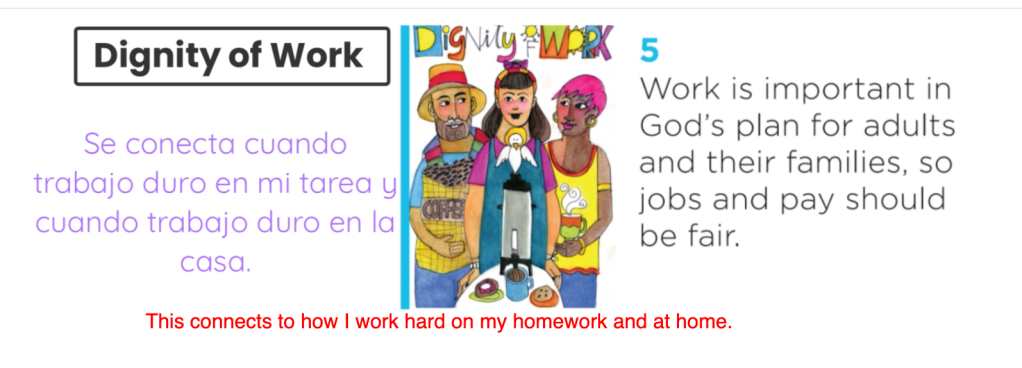
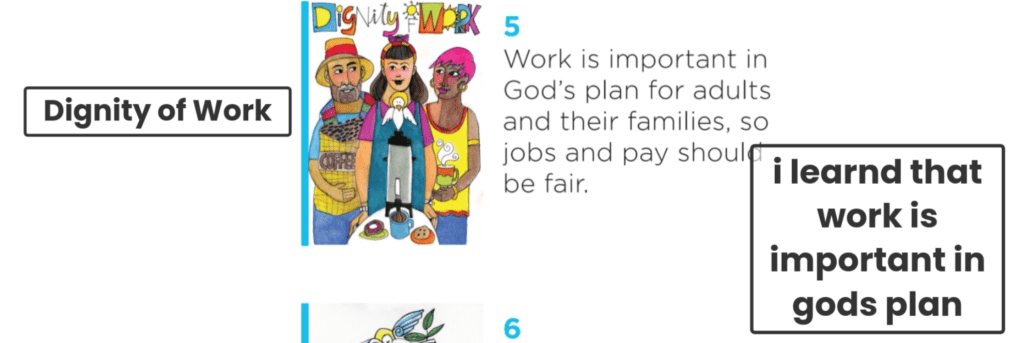
#5 Dignity of Work

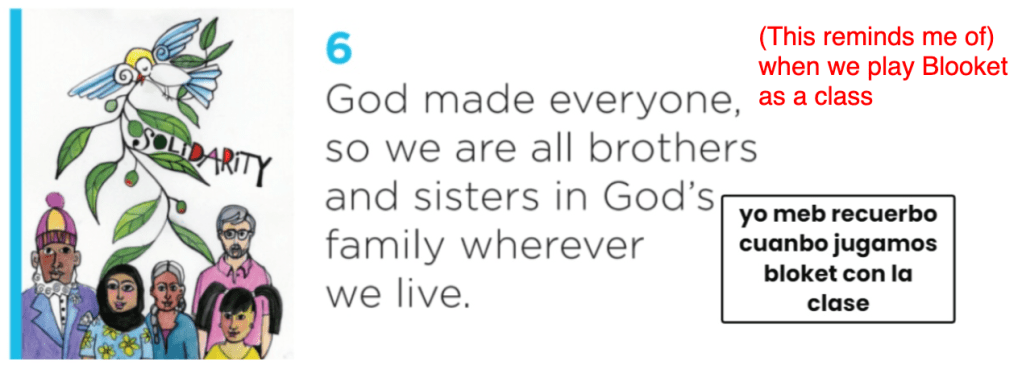
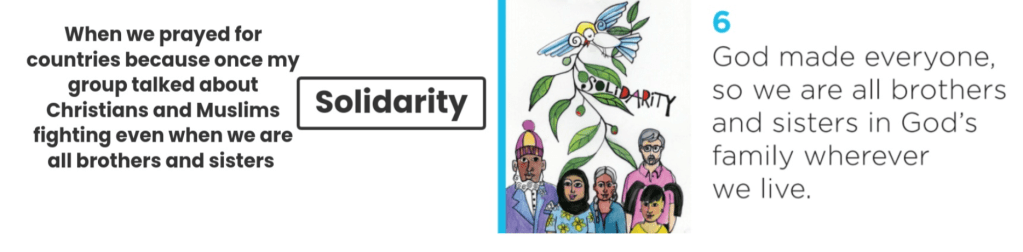
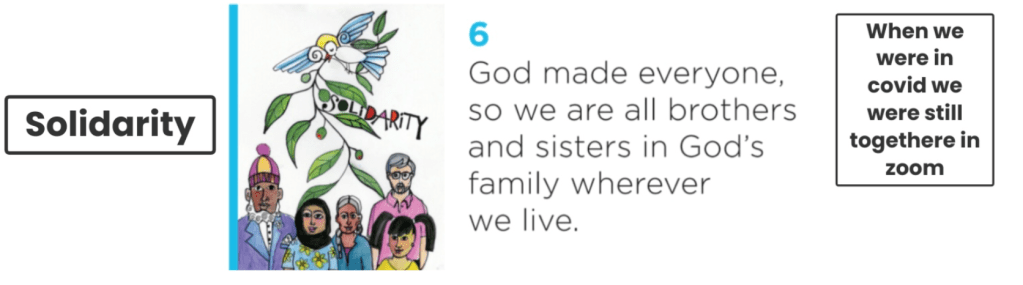
#6 Solidarity

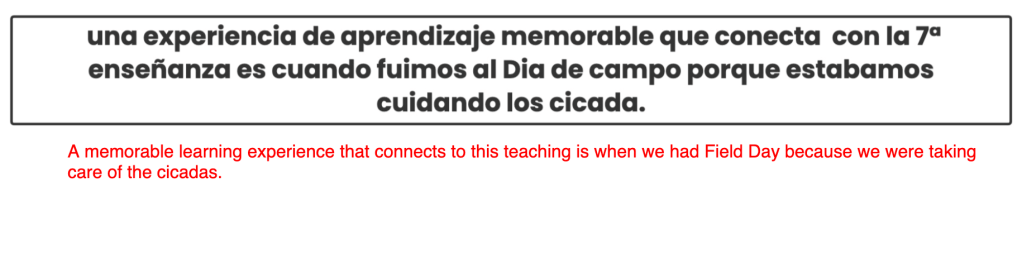
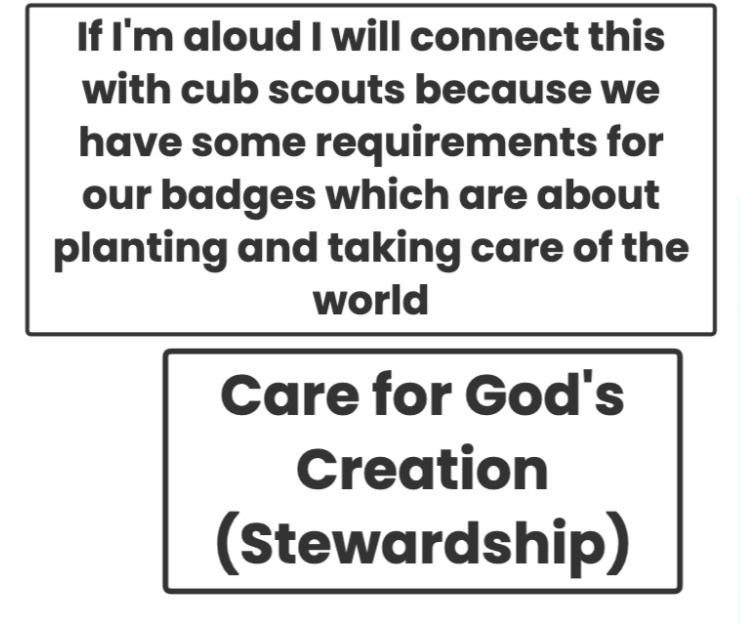
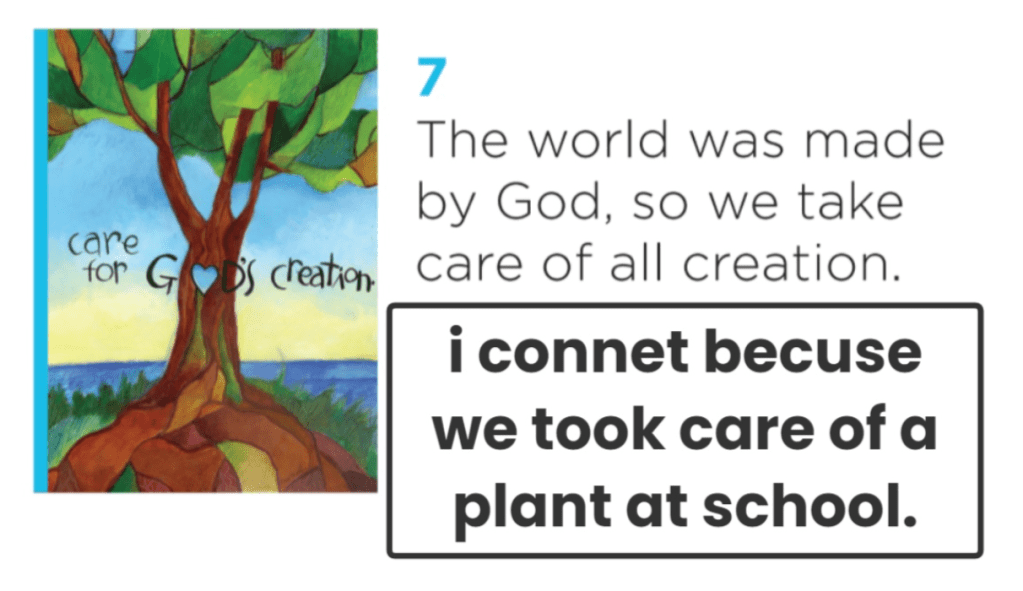
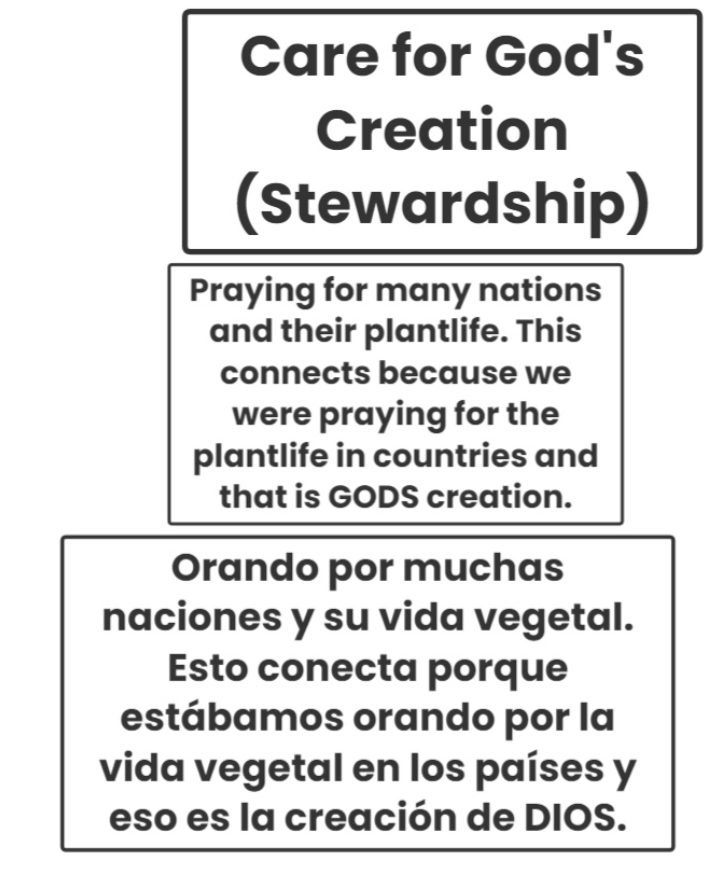
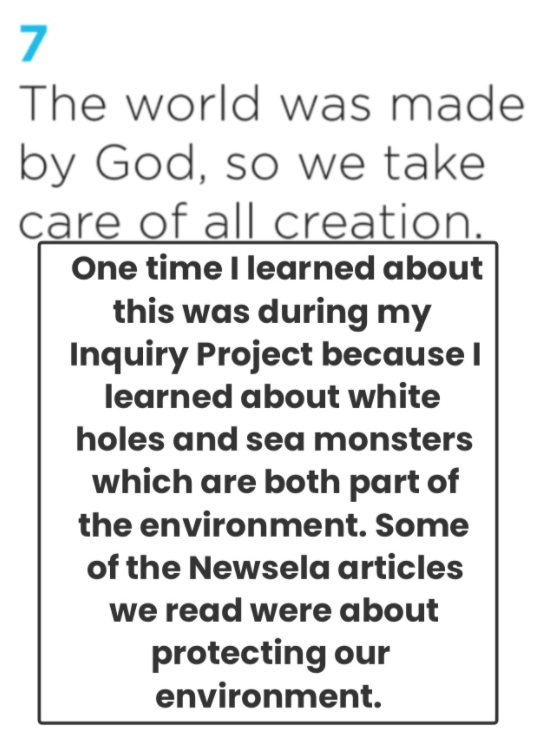
#7 Care for God’s Creation (Stewardship)

Common Threads

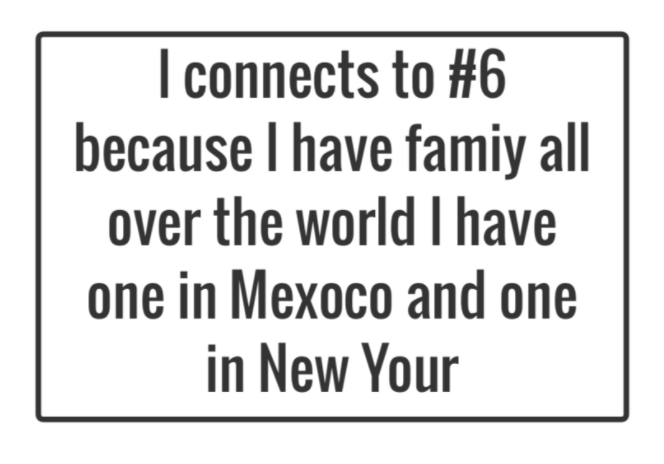
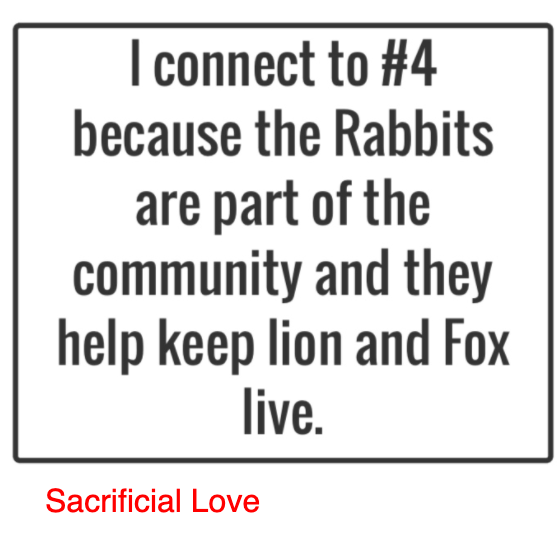
In examining students’ reflections, several patterns emerge. One is that students were very emotionally invested in analyzing antiracism as it relates to various aspects of Catholic Social Teaching. Another is that students were collectively able to capture both the theoretical and applied nature of many of these ideas (for example, praying for people in various countries AND having family in New York and Mexico).

Given the murder of George Floyd and handfuls of events that brought racism forefront of American public consciousness during COVID, I am very grateful that my students are so passionate about antiracism on an individual and social level. May the Holy spirit continue to guide their responses and strengthen them as spiritually emancipated people of faith. May we gently but prophetically navigate the many challenges that productive changes will require.

June 2021 Monthly Summary

Ahh, June.

The time of year when today’s passing thoughts birth next year’s curriculum,

When the flies remind us that DC was built on a swamp,

When yesterday’s midday walks shift into evening,

For the fragrance of Jasmine flowers and lack of sunburns,

When alarm clocks are respected, then dismissed, then dishonored,

A time of audacious dreaming.

Simple Pleasures

What a time to be alive!

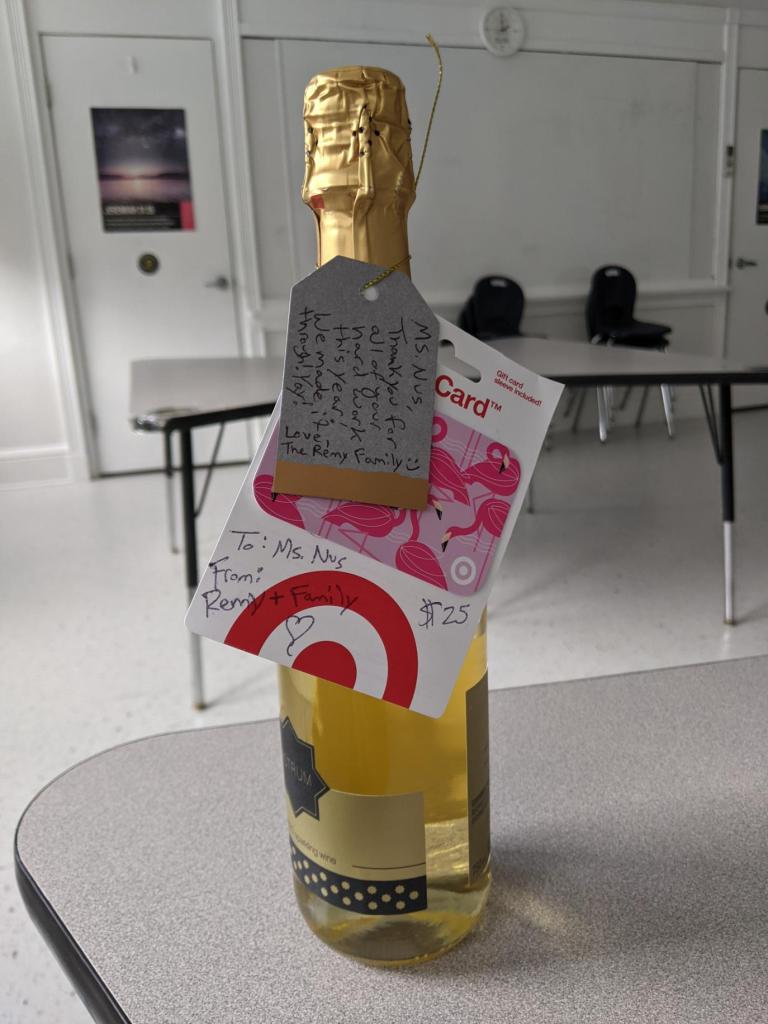
At last, in my 5th year of teaching, I receive bottles of wine from parents as a thank you. For those of us who are able to imbibe safely, what a marvel.
Igualmente.
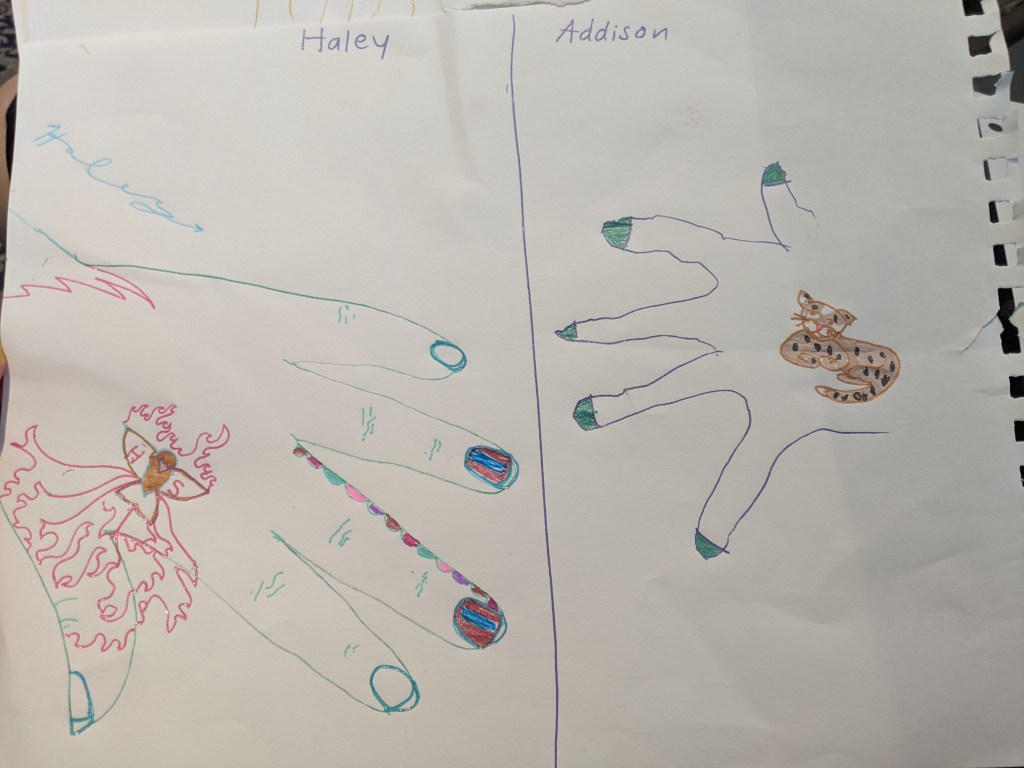
Befriending kiddos at the house church I attend. She colored in my nails!
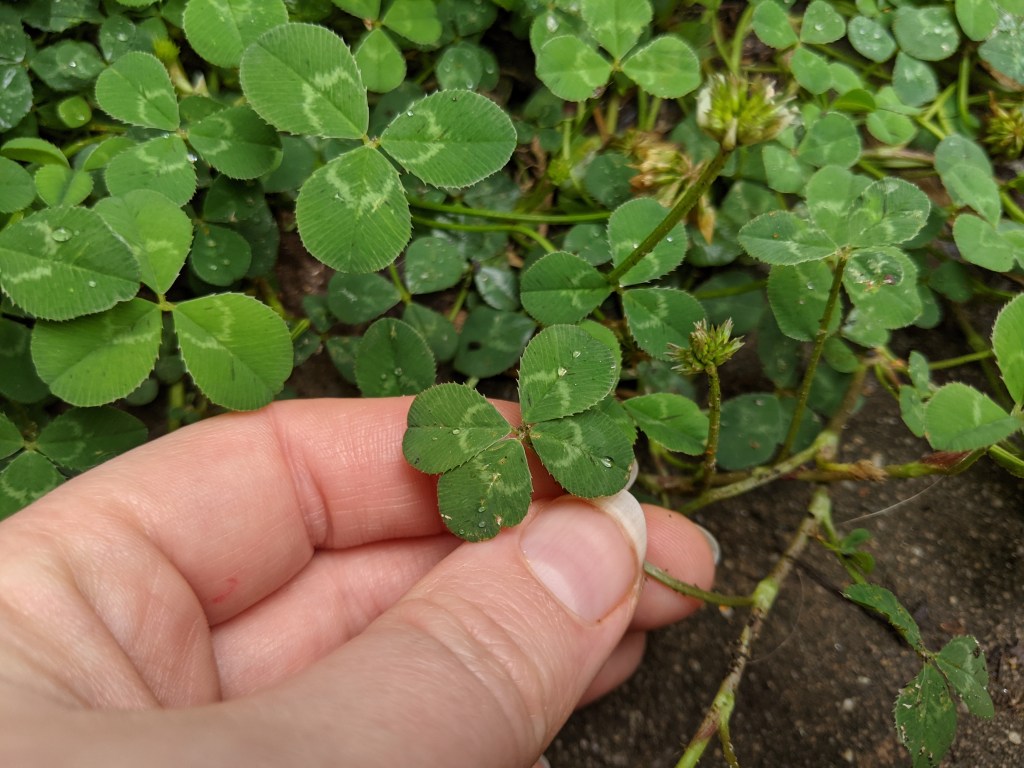
I left it hiding in plain sight. Can you find the second 4 leaf clover in this picture?
These lilies make me think of the Annunciation, of trumpets, and proclaiming the good news of Jesus!
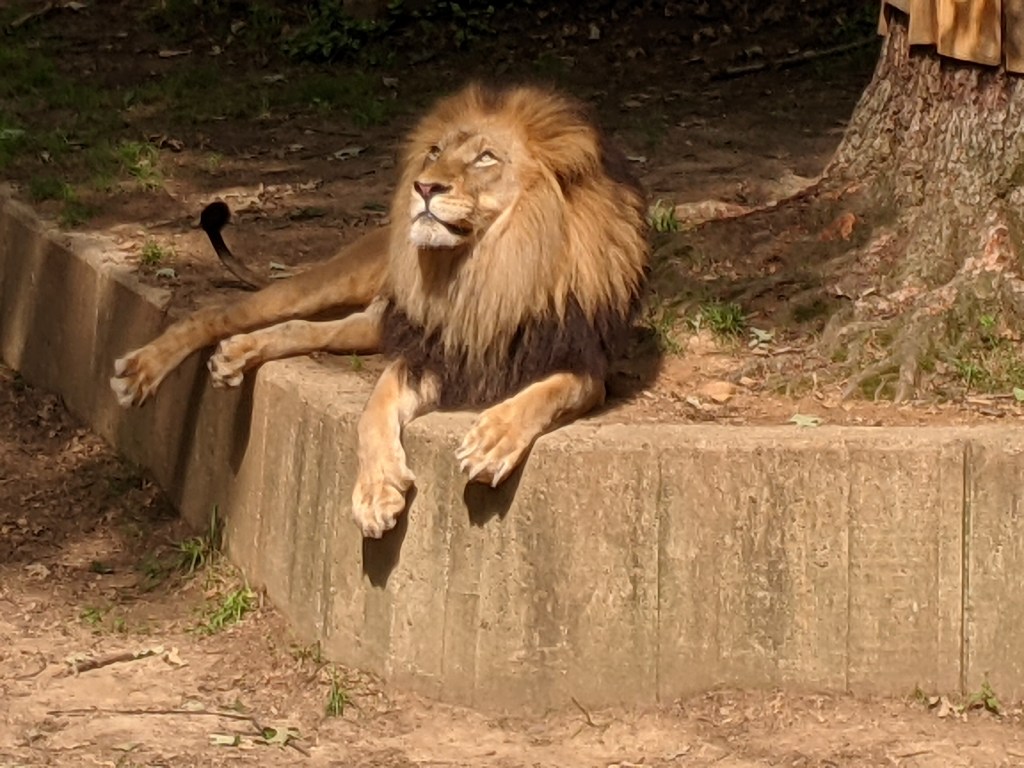
I prayed for this Lion quite a lot this month.
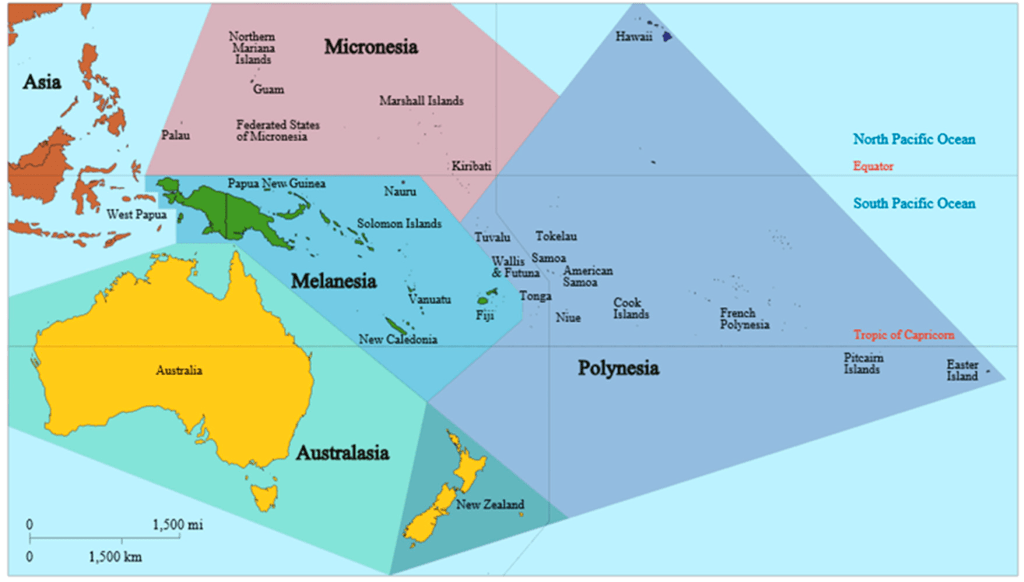
In June, I learned that Southeastern Asian islands are broken into 3 groups: Micronesia, Polynesia, and Melanesia. Who knew?
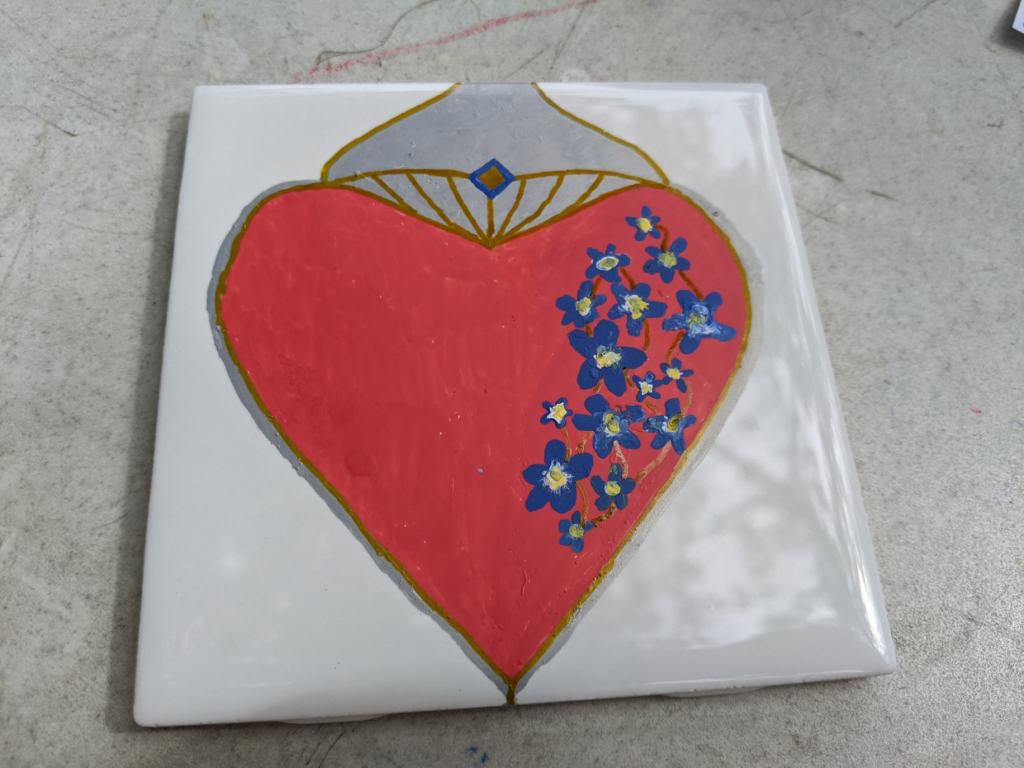
Last art project of 2020-2021!

Summer Pace and Seminary

As of today, I am exactly half way into 3 weeks of morning and afternoon Seminary courses over Zoom. I’ve managed to get to know my classmates better, even as many of us second year Doctoral students discuss the weirdness of never having been on campus. After this summer, I will have just one more year of classes before I start preparing for my thesis.

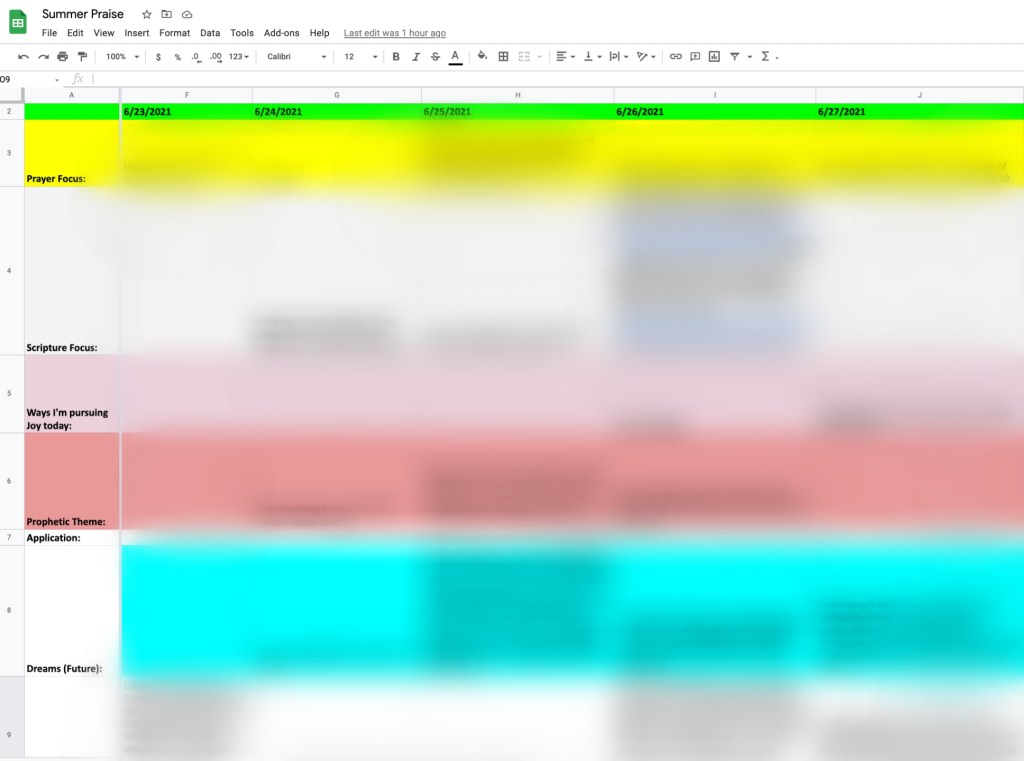
In order to put myself in a summer frame of mind, I’ve created another spreadsheet (!). It includes daily fields for:

  • Prayers
  • Scripture focus
  • How I’m pursuing joy that day
  • Prophetic theme of the day
  • Audaciously dreaming about the future
  • Significant things from that day

In addition to helping me *mostly* keep track of the date and day of the week, I’ve actually really enjoyed how this tracker has kept me expectantly seeking God while having more time to listen at a slower pace.

Starving for the Nations

In late May and throughout June, I have been starving for books. I’ve devoured just about anything I can find on the History of World Christianity. Around this same time, I’ve gotten handfuls of dreams/images related to Southeast Asia and parts of Africa. In transcribing these dreams, I’ve been overcome with the same spiritual hunger that fades when I switch tasks. As someone who wants to do contextual theology and Nonprofit Foundation work within the Christian educational sector in Southeast Asia, East Asia, and Africa later on, I decided to take this hunger seriously.

At first, I was terribly confused. “Lord, am I being drafted into missions?” But something about the timing felt off. After tracing the themes of prophetic words I’ve gotten lately and dreams from the past 6 months, and a handful of captivating research, I happened to find a 1 year Masters graduate program at the University of Edinburgh on World Christianities. This program would allow me to do a deep dive into current research before writing my thesis for my current Doctoral degree program. Who knows? I could see myself staying longer. Studying in Edinburgh would confirm the many prophetic words I got throughout late April and May with scenery of different parts of the UK, and dreams I’ve had about going into a season of rest and study. I also have found a friend who studies in a similar context in the University of Glasgow, and have received several offers to crash at people’s homes as necessary when/if I move.

As of now, I’m still reading and dreaming with the Lord to get more insight on how to write my application essays (due in September). I’ve got quite a bit of clarity so far, but God loves to layer details. I am learning to trust that God will provide financially for dreams as big as this. If accepted, I would start not this year, but next school year (AY 2022-2023). In discerning next steps, I’ve been especially grateful to ask my seminary classmates located in Japan and Sri Lanka about the educational sectors in their nations, and get their feedback on what it would look like to empower local theologians to create their own schools within their own cultural frameworks (vs. the legacy of colonialism still embedded in many Christian schools abroad). They were excited and agreed that my desire was both useful and timely.

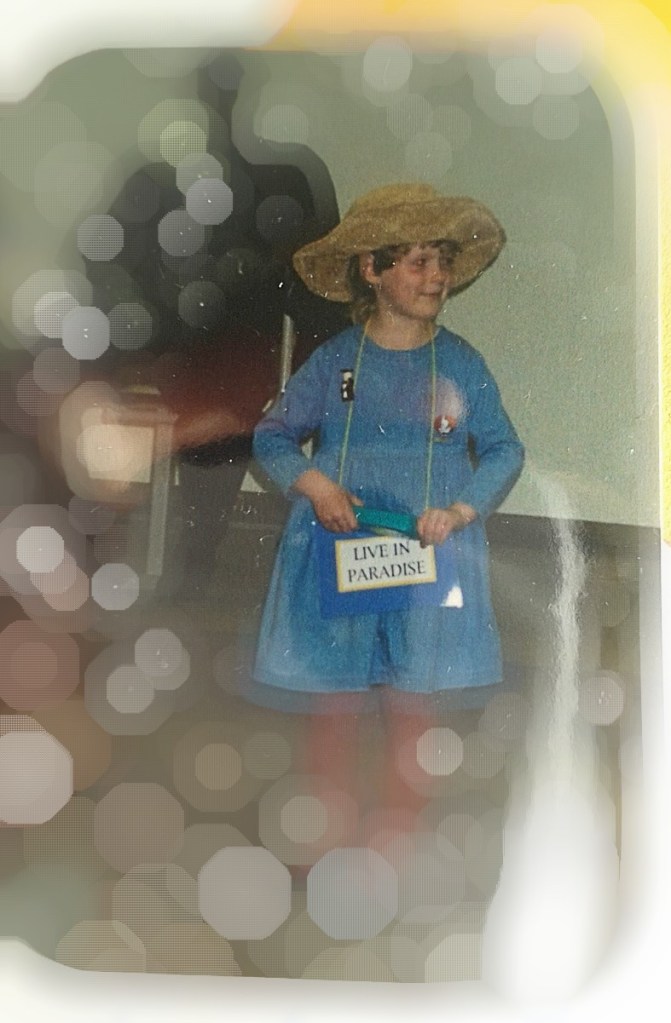
As a plus, a future in Southeast Asia and Africa would put a remarkable twist on my Kindergarten aspirations.

The caption my mother gave it!

Mid-Year Reflection

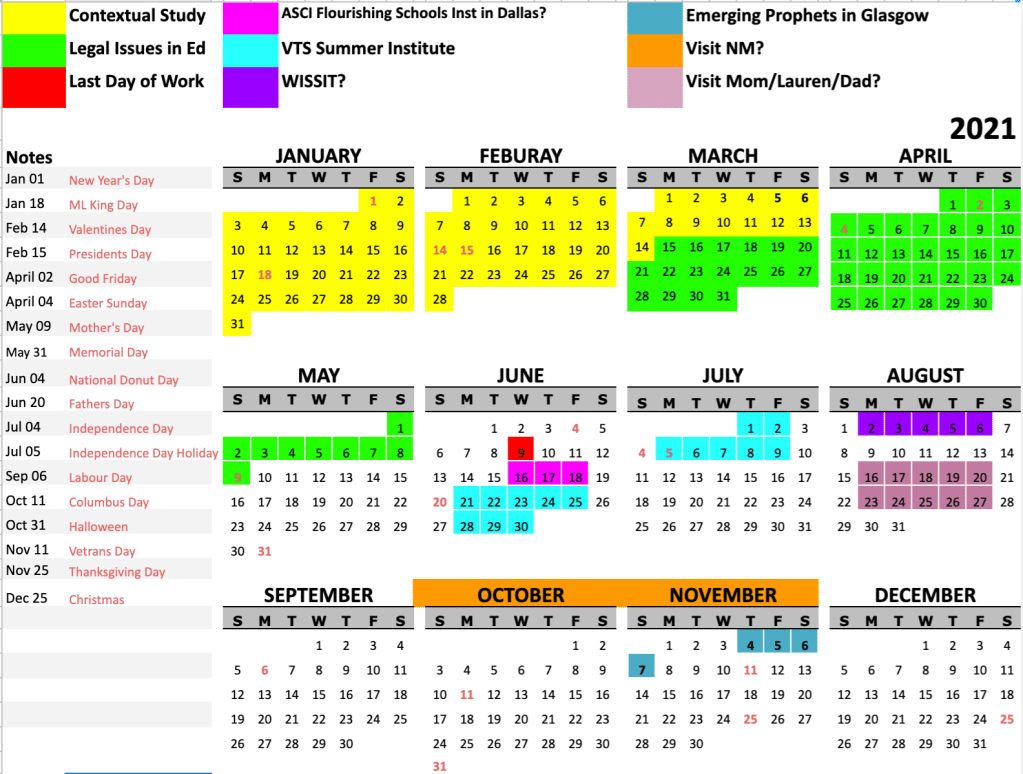
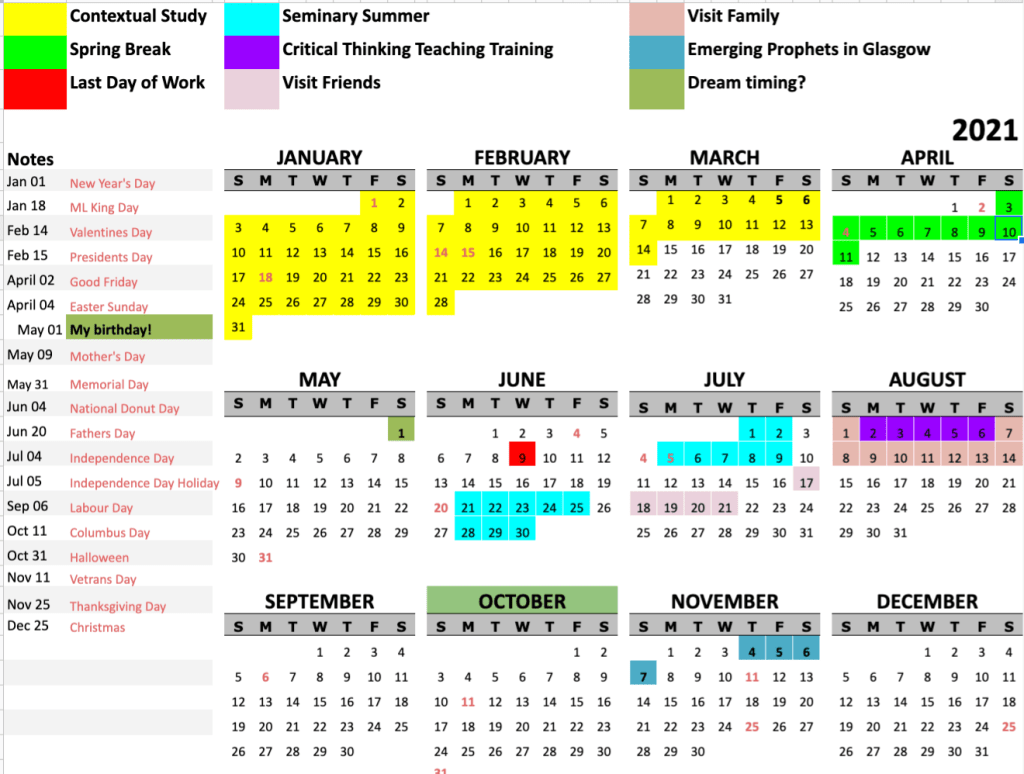
It’s interesting to examine how my goals for this year have changed in the last six months. In January, I had just found out about being accepted into the Emerging Prophets program out of Glasgow. My potential 2021 calendar in January (left) was the byproduct of needing to figure out how to conceptualize all these changes. In the end, due to pandemic/teaching tiredness, I decided to forego one of my courses that I was hoping to take in April. I also wasn’t ultimately able to attend a conference, due to COVID travel restrictions. However, due to the faithfulness of God, both of these changes were for the best. If I study outside the U.S., I will be able to gain the 12 extra credits I need to graduate my doctoral program here without needing to run myself ragged. I also ended up needing the time I would have spent at the conference to finish seminary assignments that got added last minute.

Without being very sure how much time left I have in the U.S., I’ve chosen to make time to visit my Dad, step-mom, aunt, sister, mom, and brothers in August. I’ll also get to visit my friend and step-dad in July! Overall, doing less and focusing on community more was the amendment my 2021 plans needed.

Personal Prophetic Themes this month:

  • God teaching me about how to end things well
  • Outside of time with God
  • Call to oceans, sea creatures
  • Fruitful vineyards
  • Intimacy with Jesus
  • Jesus holding my hands open

How you can Pray for Me

  • Clarity and alignment on applying to University of Edinburgh
  • Trust in God for all the details

Until July,

Haley

Student Reflections and Favorite Projects from 2020-2021

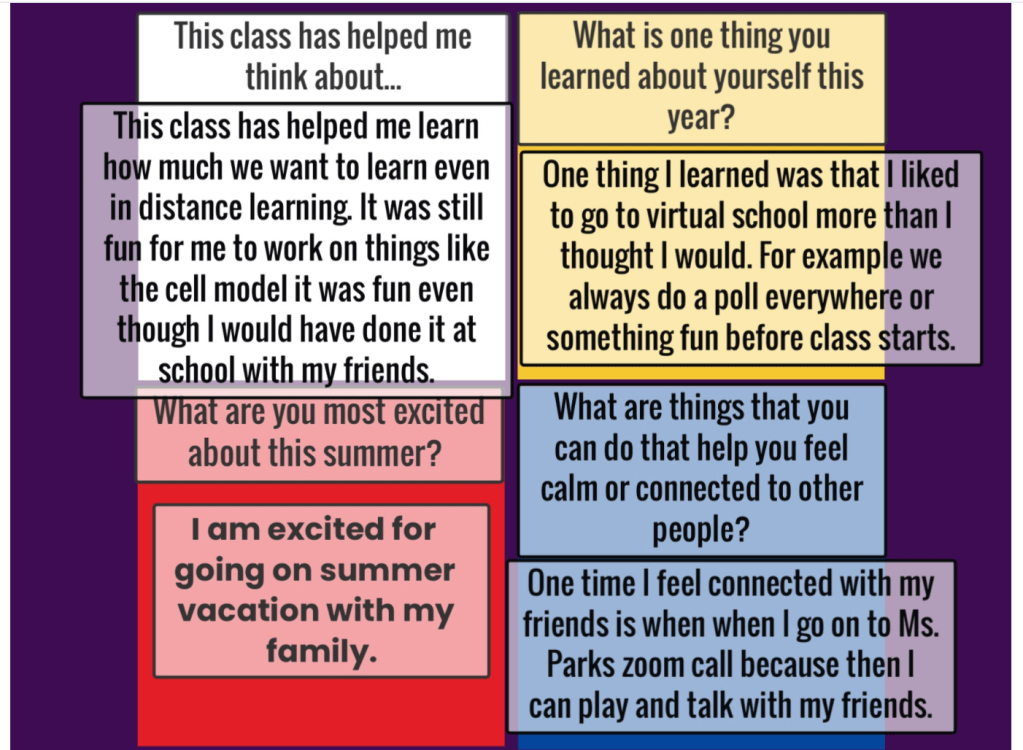
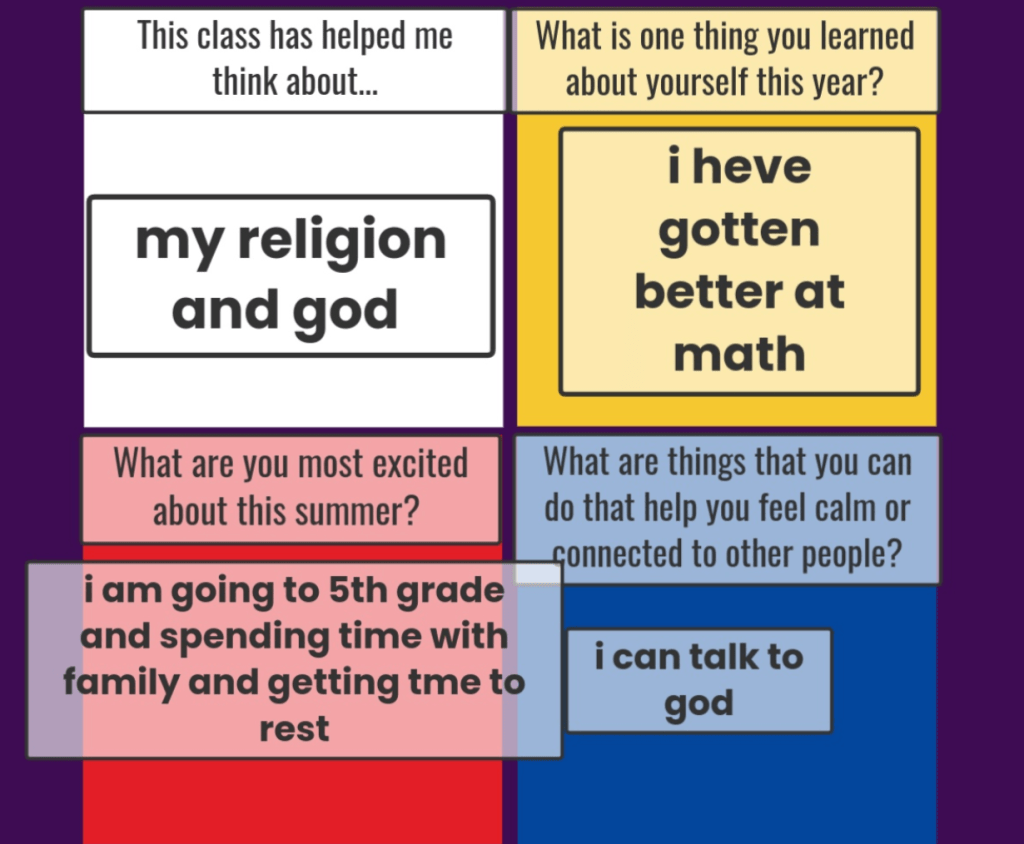
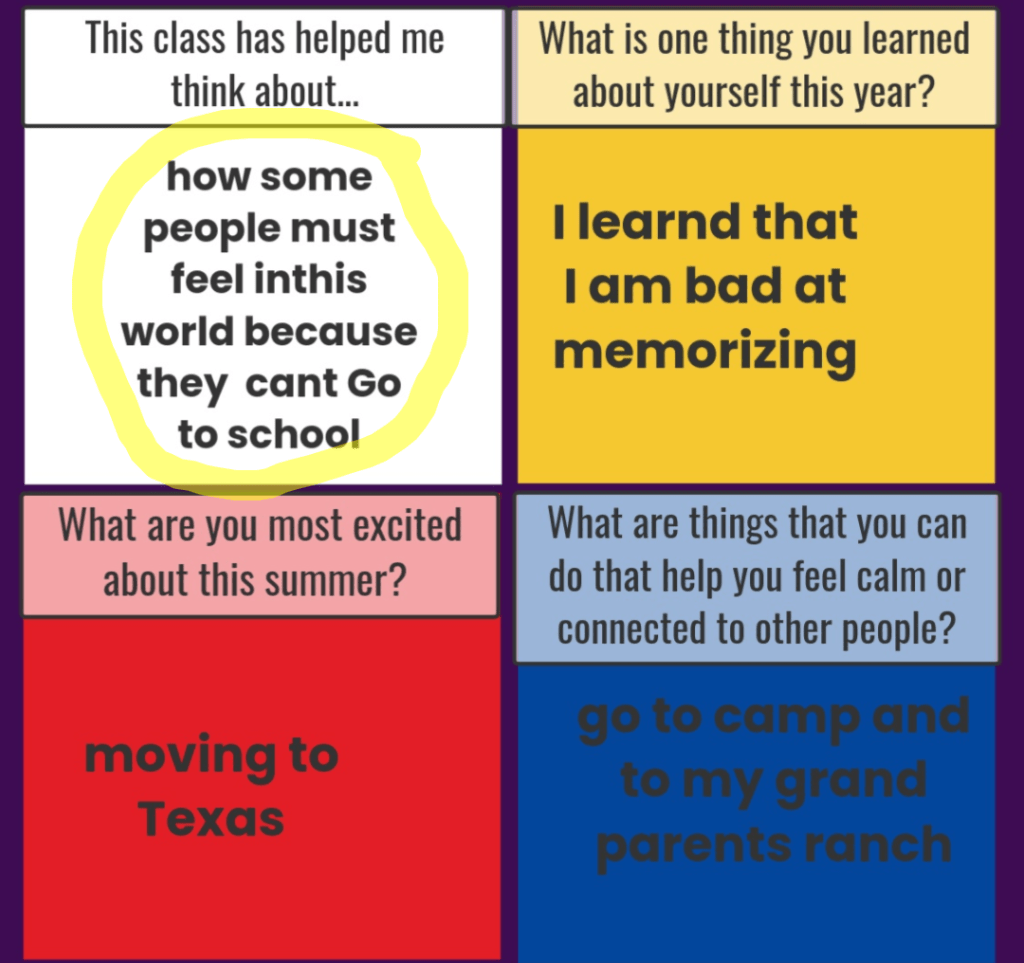
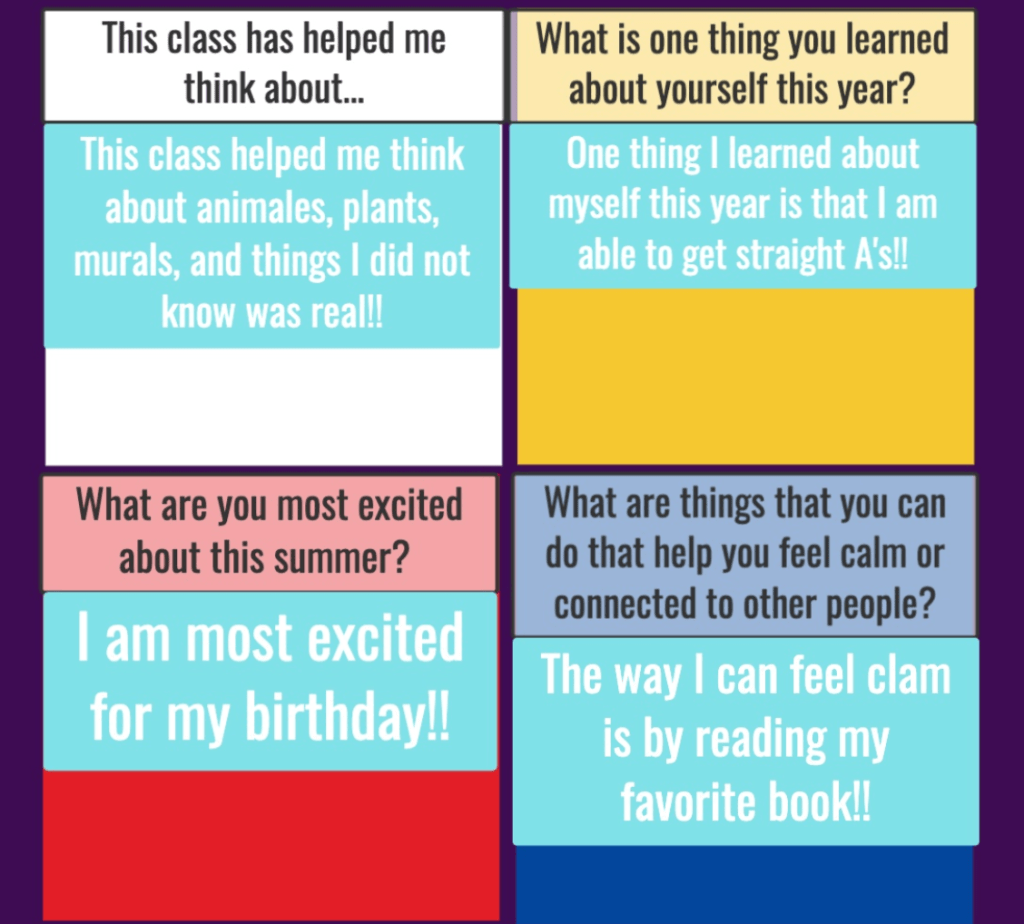
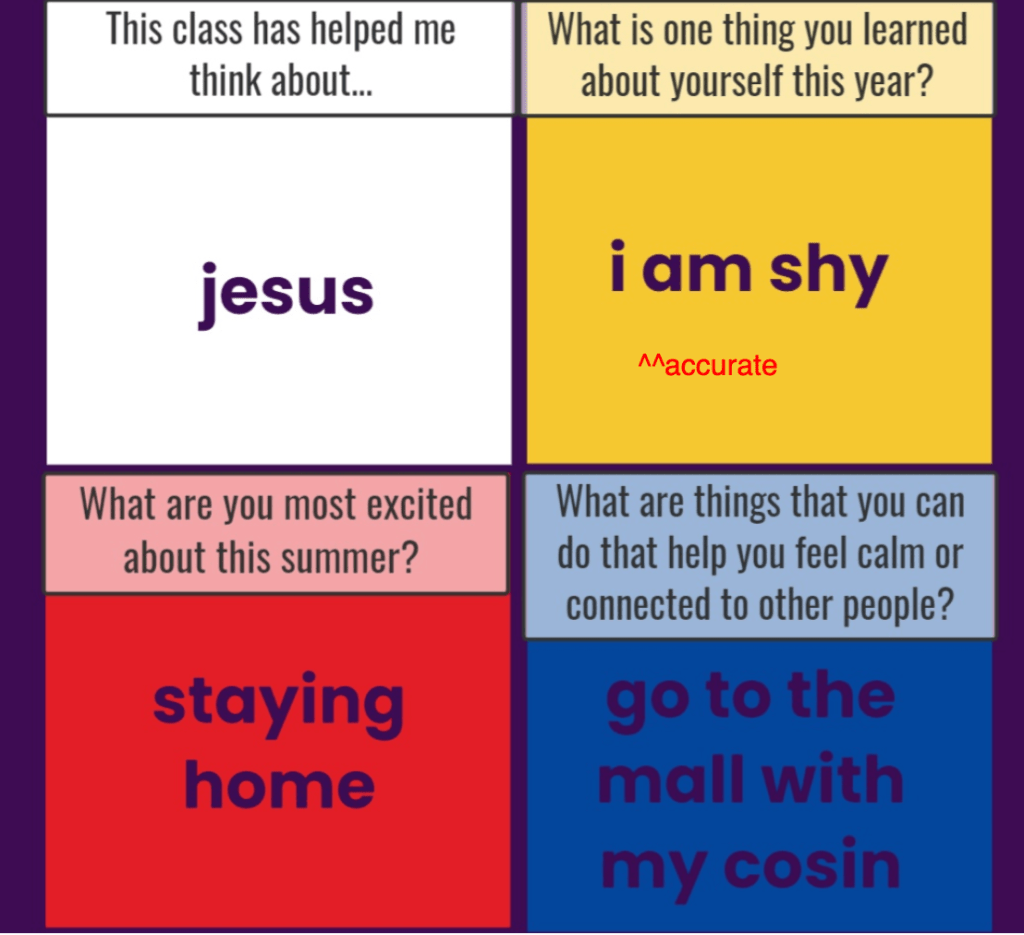
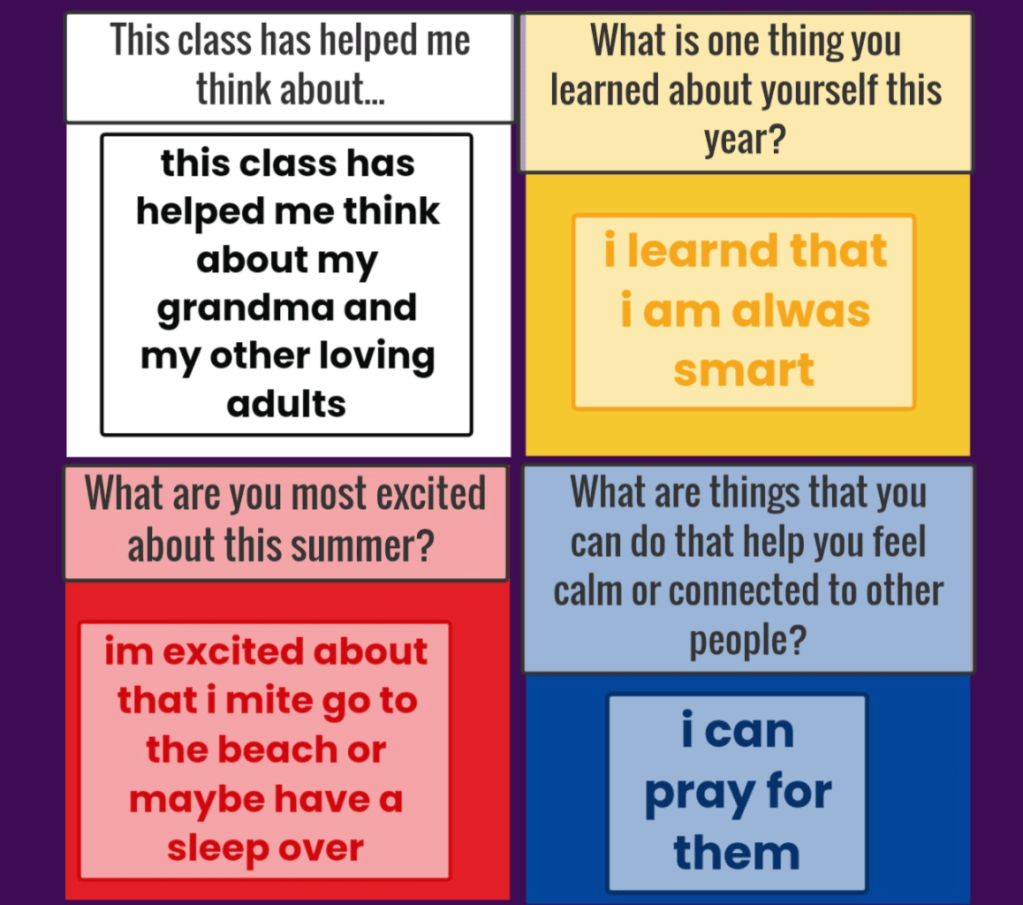
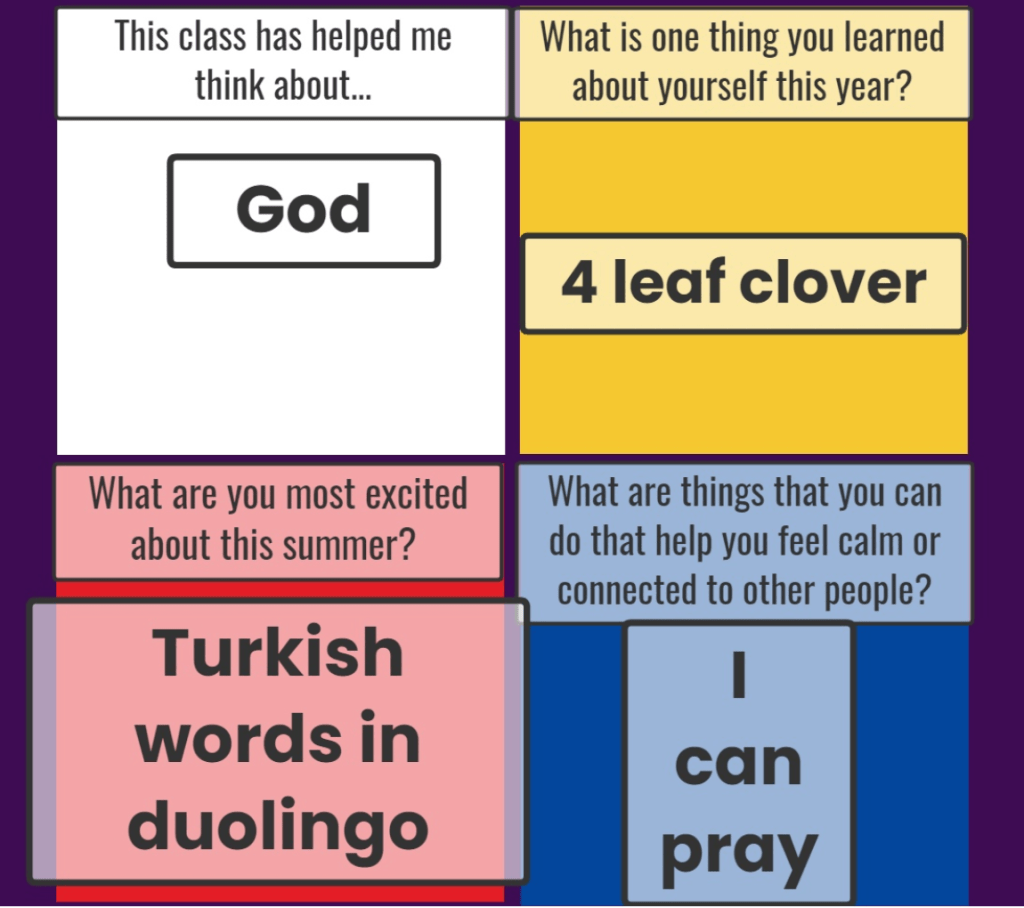
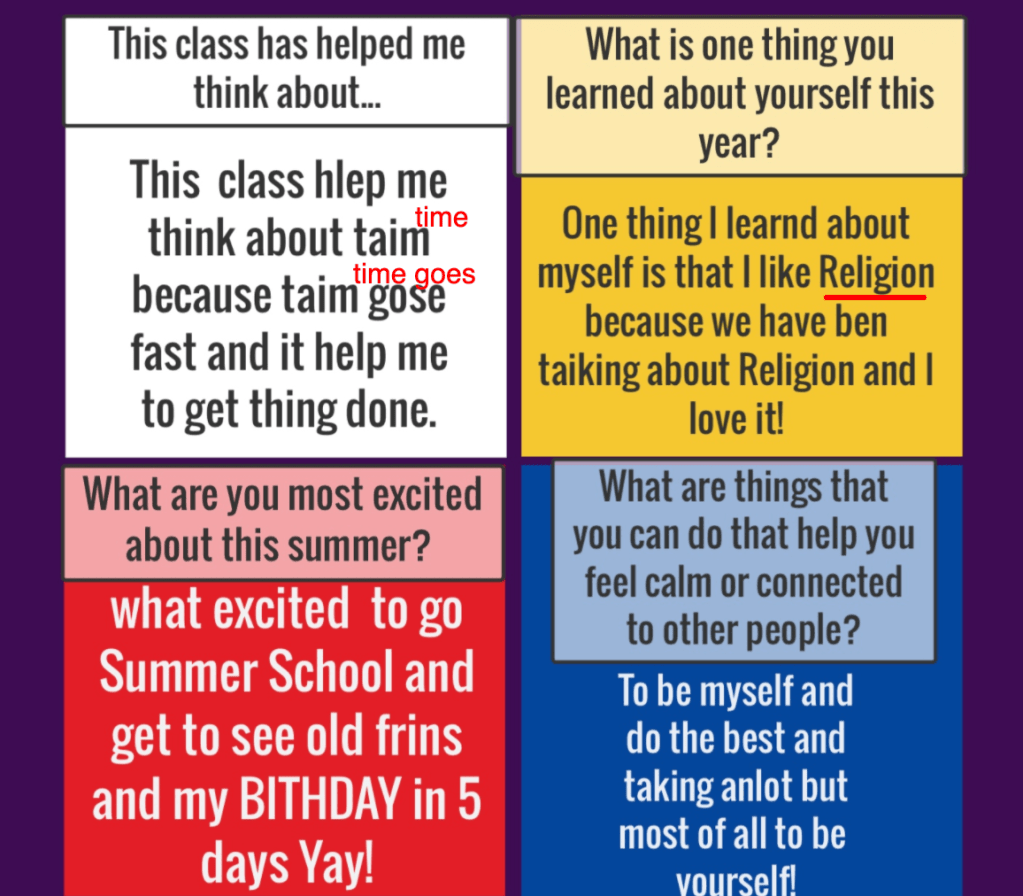
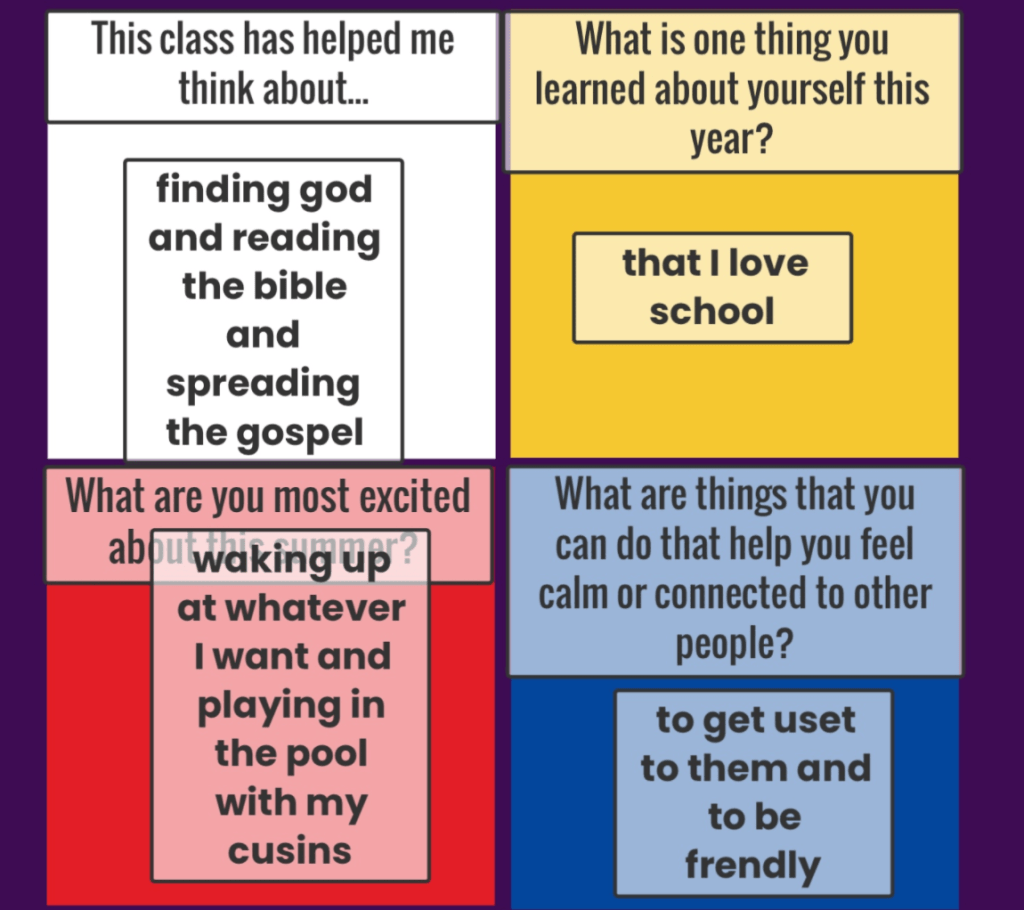
As the 2020-2021 school year has come to a close, I gave my students the opportunity to reflect on where they’ve been, where they’re going, and how they’ve changed. Within these reflections, a handful of themes emerged, such as increasing devotion to God, increasing confidence, the importance of community, dealing with change/aging, loving math, and rest. Check out their responses below to see how we’ve grown this year!

Student Reflections

Themes: Making the best out of distance learning, the importance of community
Themes: God, Math, and Rest
Themes: God and math
Themes: God and Math
Themes: Empathy, Memorization being hard (facts), Change
Themes: Research, Increasing Confidence, Peace
Themes: Intimacy with God, Increasing Confidence
Themes: God, Personality
Themes: Loving adults, Increasing Confidence, Sleepovers as the spice of 3rd grade life
Themes: God
Themes: Change and growing older, God
Themes: Passion for God, Freedom

Favorite Projects

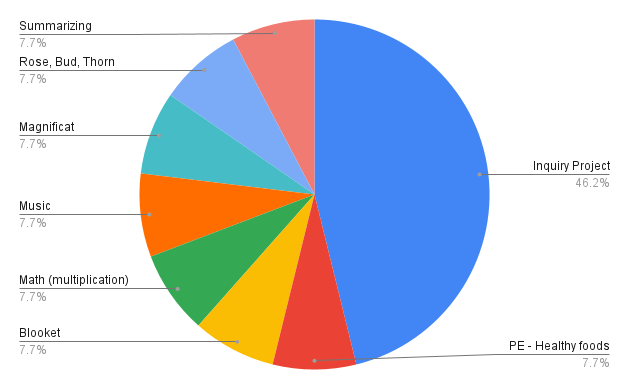
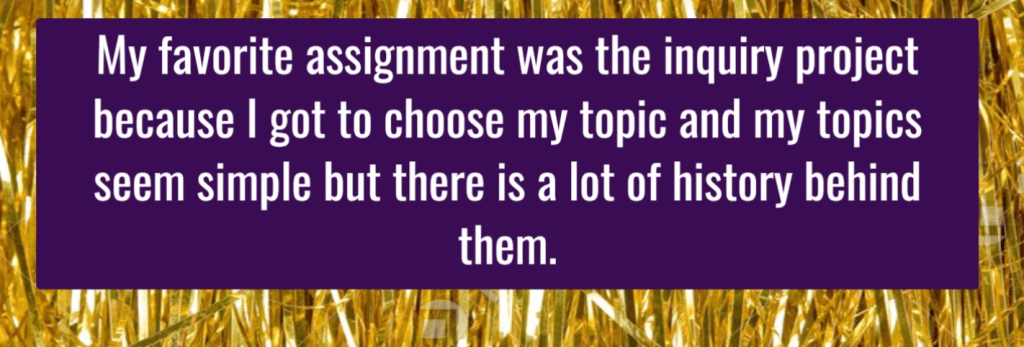
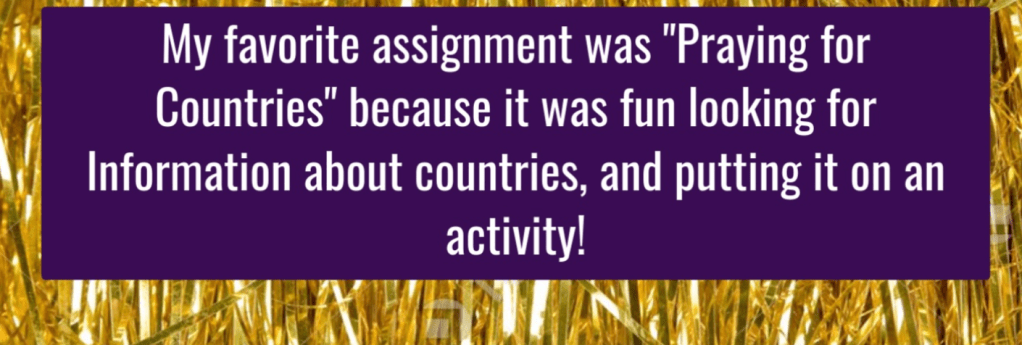
As we begin cast vision for the shape and texture of next school year, students also had the chance to reflect on their favorite assignments. Being the person that I am, I decided to catalog and analyze this data in graphs.

Looking at this data was very satisfying, because I realized just how much students were able to glean from some of my labors of love. I’m excited to use this data to refine or invent new projects in 2021-2022! Check out the links below to catch a glimpse into several of our beloved projects from this year!

  1. Inquiry Projects

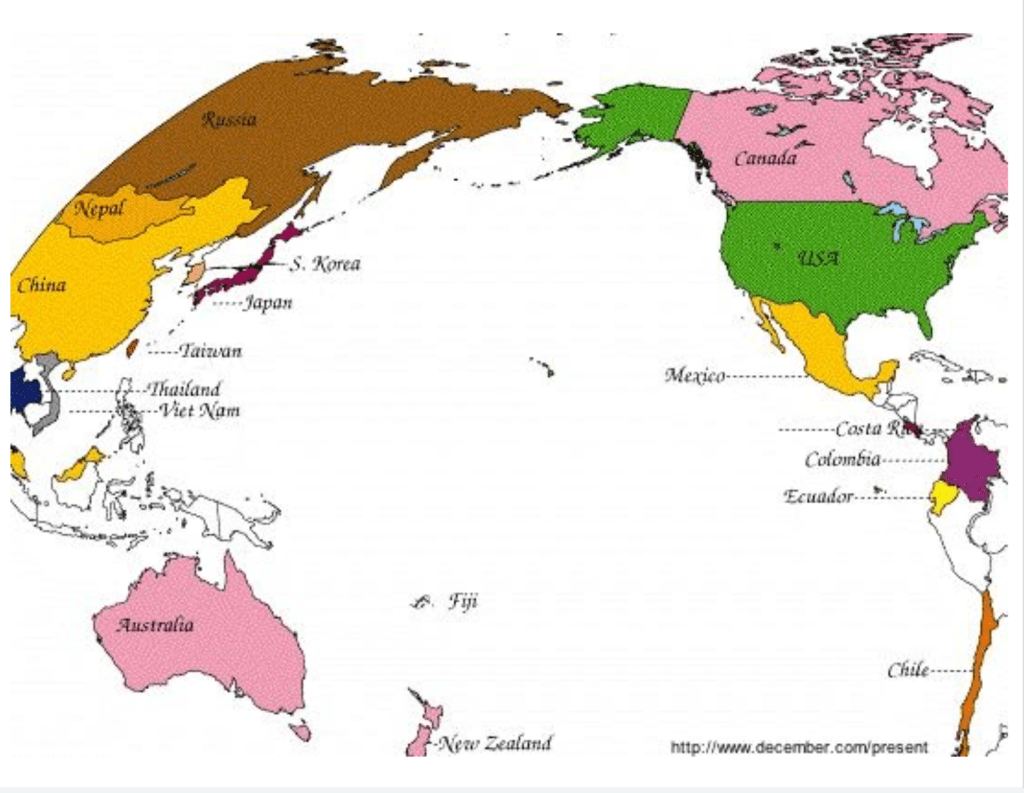
2. Praying for the Nations

3. Holy Trinity Action Card Project

4. Magnificat Activities (coming soon)

Reflection

It goes without saying that this year has been challenging, but I am grateful that I met my personal goal of using this year to try so many new ideas! Having class online gave us plenty of room to experiment, research, and absorb plenty of new information. In spite of a staggered return to the classroom from October-Thanksgiving and from late January til the end of school in June, students were able to adjust to many changes. I saw my students’ passion for God and their own interests only increase as the majority of students shifted into in person learning. Next year, I’m looking forward to exploring local ecumenism (church denominations), the diverse traditions of Global Catholicism, and *hopefully* collaborating with local Jewish and/or Muslim elementary schools to explore religious symbolism.

Peace,

Haley

Design a site like this with WordPress.com
Get started